Watersport Instructor Jobs Europe — Surf Kite Foil Income Guide

The watersport instructor economy in Europe runs on a paradox. The demand for instruction — surfing, kitesurfing, windsurfing, foiling — is growing faster than the supply of qualified instructors in virtually every major destination. Portugal’s Atlantic coast, the Canary Islands, Greece’s Aegean, Croatia’s Dalmatian coast. The conditions are extraordinary. The students are arriving. The school infrastructure is, in many cases, genuinely overwhelmed.
And yet the majority of qualified instructors earn less than the market would support, because they’re working within structures — surf schools, kite centers, resort water sports operations — that capture a significant portion of the value they create before it reaches the instructor.
Understanding this gap, and how to position outside it, is the practical knowledge that separates instructors who build sustainable independent incomes from those who spend their careers as hourly employees of operations that benefit more from their expertise than they do.
What the European Watersport Instructor Market Pays
The variance in instructor income across Europe is wide enough that the average figure obscures more than it reveals. Context is everything.
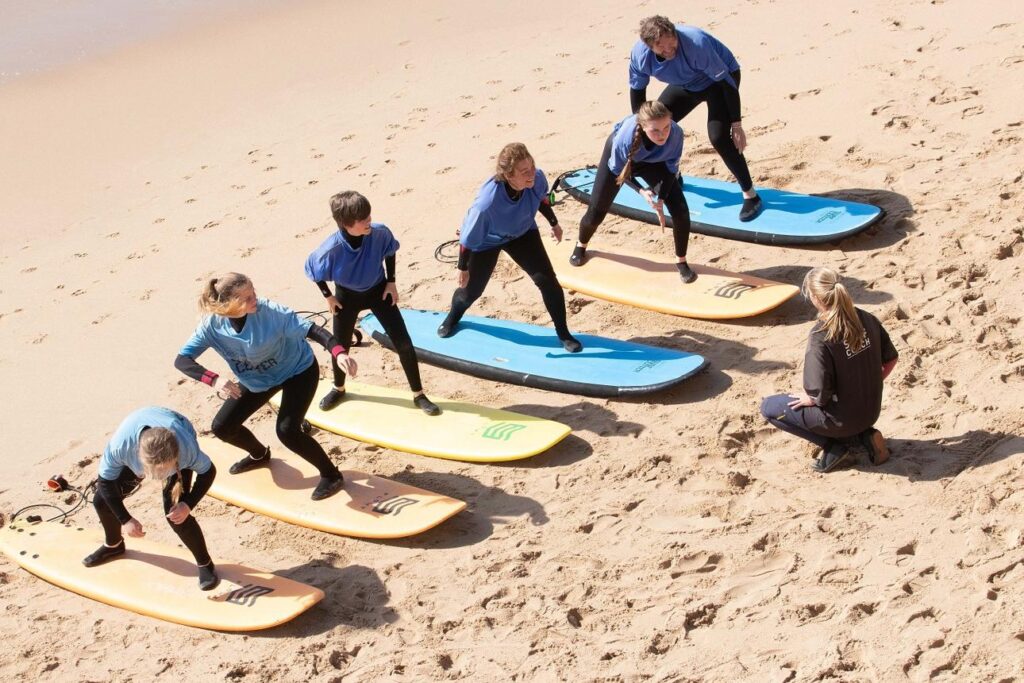
Surf instruction, Portuguese Atlantic coast: A qualified surf instructor employed by an established surf school in Ericeira, Peniche, or Nazaré earns €800-1,200 per month as a base salary during peak season (April-October). An experienced instructor running private lessons independently — €50-80 per hour for a two-hour session, six to eight sessions per week — generates €1,600-2,600 per week during peak demand windows without sharing the revenue with a school.
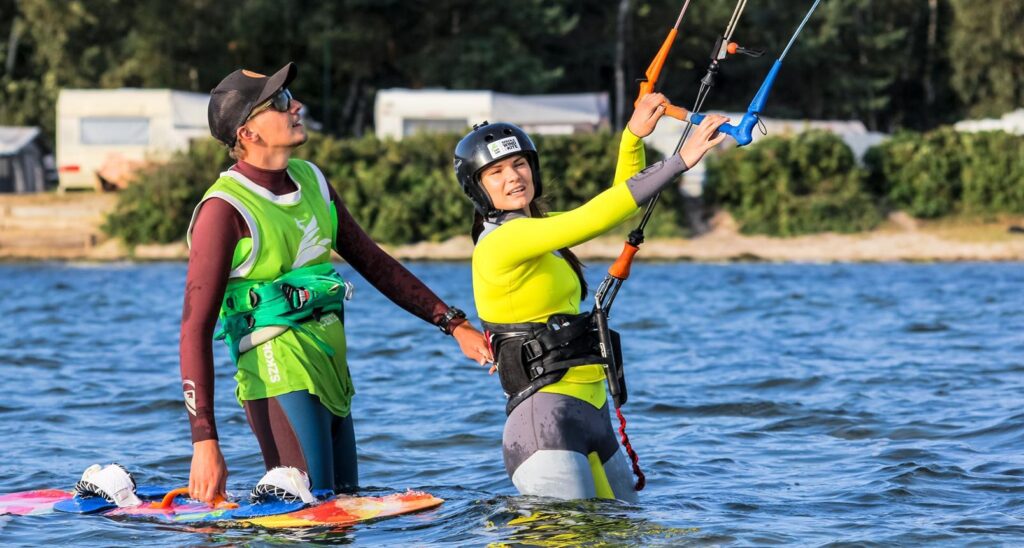
Kitesurfing instruction, Cyclades or Canary Islands: IKO (International Kiteboarding Organization) certified instructors command €60-90 per student per lesson in peak season across the established European kite destinations. An independent instructor running four lessons per day earns €240-360 daily before any school commission. School employment typically pays 30-50% of lesson revenue to the instructor — making independent client acquisition the economically significant skill.
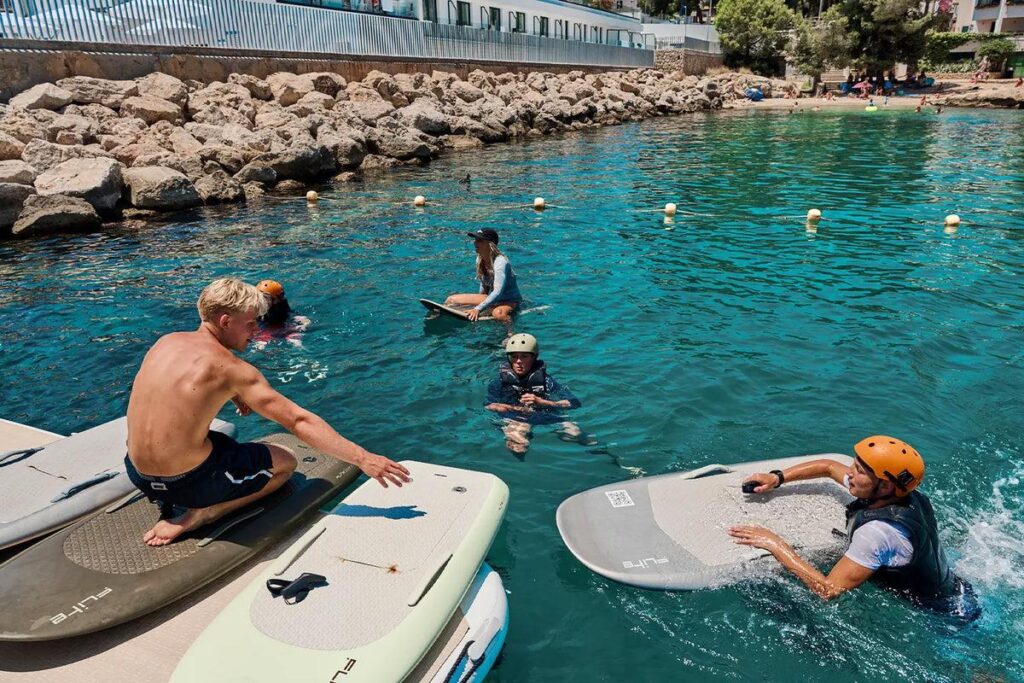
eFoil and hydrofoil instruction, emerging across all markets: The newest and currently highest-paid instruction category in European watersports, with sessions running €150-250 per two hours in most markets. Qualified eFoil instructors are genuinely scarce relative to demand. Manufacturer certifications from Fliteboard, Lift, and similar brands are available and constitute the current professional baseline.
The Qualification Landscape
European watersport instruction qualifications are fragmented across disciplines and issuing bodies, which creates both barriers and opportunities depending on how you navigate them.
Surfing: The International Surfing Association Level 1 and Level 2 coach qualifications are the most internationally recognized. National federations — British Surfing Association, Federação Portuguesa de Surf — issue national qualifications that are recognized within their home countries and generally accepted across EU markets.
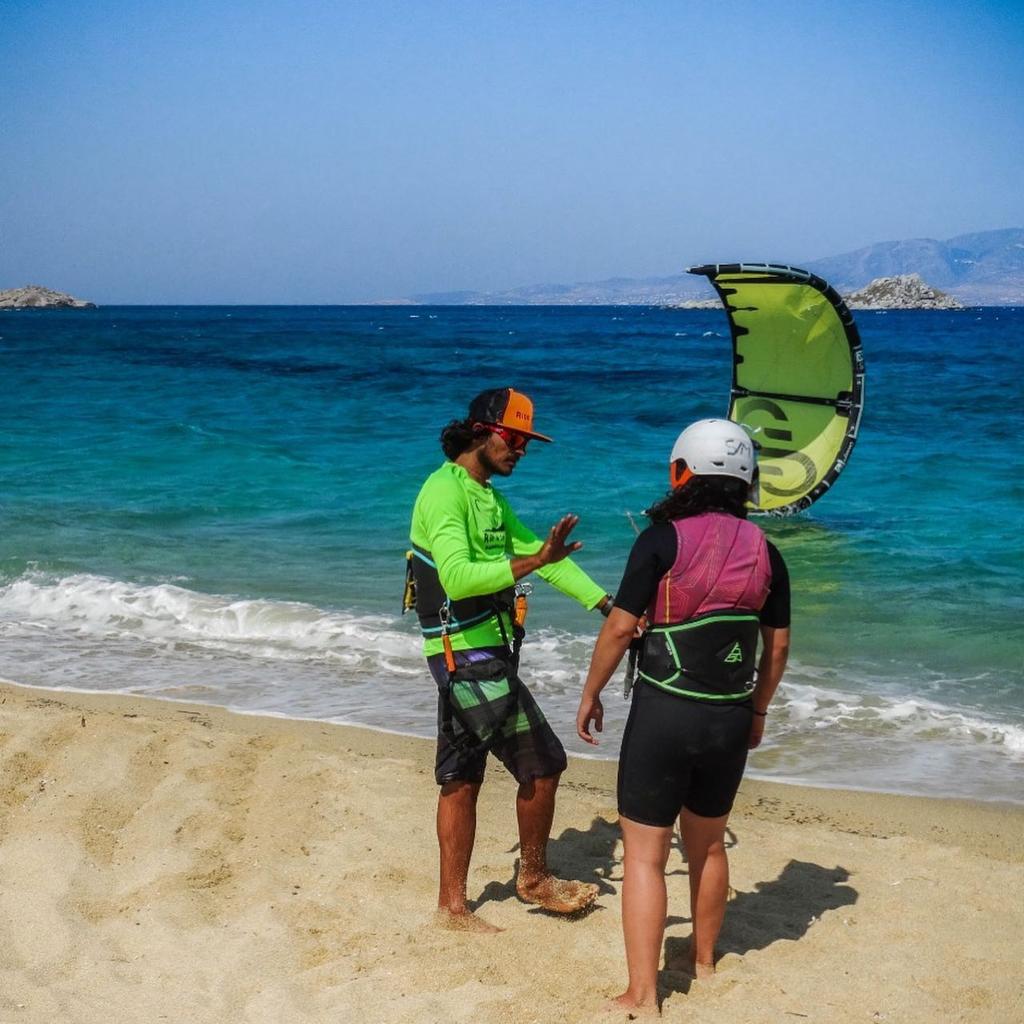
Kitesurfing: IKO (International Kiteboarding Organization) instructor certification is the market standard across European instruction, from the Cyclades to Tarifa.
Windsurfing: RYA Windsurfing Instructor certification is the reference standard in the UK and widely recognized across European markets.
Foiling and eFoil: Manufacturer certifications are currently the primary credential. As the market matures, independent certification bodies are emerging — but manufacturer certification from a recognized brand remains the practical hiring credential.
Finding Students Without a School Behind You
The independent instructor model — certification obtained, now finding students — has historically relied on social media, word of mouth, and the luck of positioning at a beach or resort where the right people happen to show up.
The infrastructure for connecting certified water sports instructors directly with students who are actively searching for instruction before they arrive at a destination is being built now. Marina Boat App, free on the Apple App Store, lists water sports instruction — surf lessons, kite lessons, foil sessions, paddleboard instruction — alongside boat charters and other water activities, making independent instructors searchable by travelers planning coastal trips in advance.
Register as a host, list your instruction service with your qualification, location, and session pricing, and publish. The student planning a week in the Algarve who searches for surf lessons before departure finds your listing alongside your reviews from previous students. Zero commission on every session booking. Every euro the student pays goes directly to you rather than to the school that employed you.
FAQ: Watersport Instructor Jobs in Europe
What qualifications do I need to teach surfing in Europe?
The ISA (International Surfing Association) Level 1 Coach qualification is the most broadly recognized across European markets. National federation certificates — British Surfing Association, Federação Portuguesa de Surf — are required for work in their respective home countries and generally accepted across EU destinations.
How much do surf instructors earn independently in Europe?
Independent surf instructors running private lessons at €50-80 per hour, six to eight sessions per week during peak Atlantic season (April-October), earn €1,600-2,600 weekly — significantly more than employed school instructor positions paying 30-50% of lesson revenue.
Is eFoil instruction a growing income opportunity in Europe?
Yes. eFoil instruction is the fastest-growing watersport instruction category in Europe, with sessions at €150-250 per two hours and a genuine shortage of qualified instructors in most markets. Manufacturer certifications from Fliteboard, Lift, and Waydoo constitute the current professional credential baseline.
Where are the best European markets for independent watersport instructors?
Portugal’s Atlantic coast (Ericeira, Peniche, Nazaré), the Canary Islands (Fuerteventura, Lanzarote), Greece’s Aegean (Paros, Rhodes), and Croatia’s Dalmatian coast are the highest-demand European markets for surf, kite, and foil instruction with strong peak-season pricing.
How do I find students as an independent watersport instructor in Europe?
List your instruction service on Marina Boat App — free on the App Store — to be discoverable by travelers searching for water sports lessons at their destination before they arrive. Zero commission on every booking, immediately visible to international visitors across Europe.