Whitsundays Boat Charter — What Experienced Sailors Actually Find

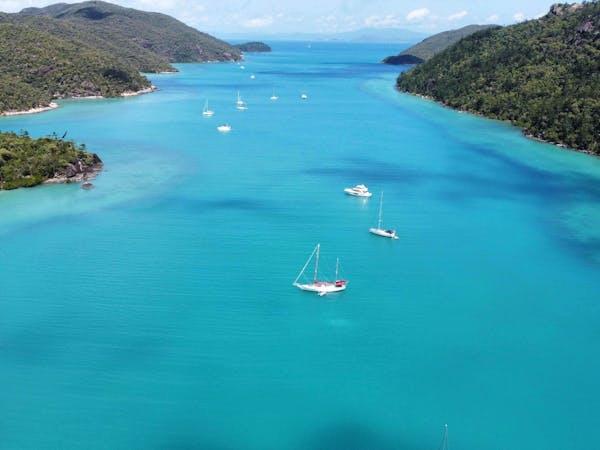
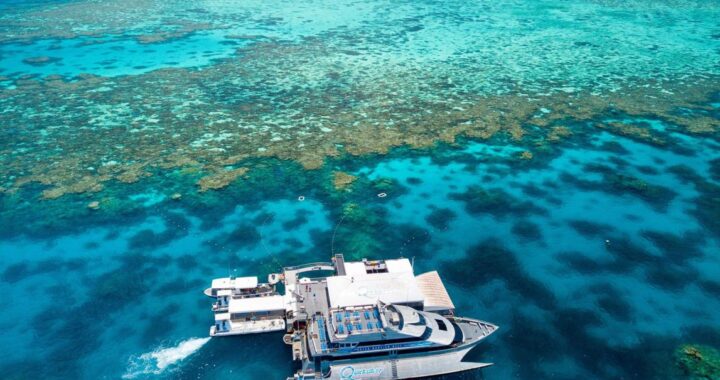
The Whitsundays are 74 islands scattered across the Coral Sea between the Queensland coast and the outer Great Barrier Reef. They are, by most accounts of people who have sailed extensively across the Pacific and Indian Oceans, one of the great sailing grounds on earth — warm water, reliable trade winds from the southeast, protected passages between islands, and the specific quality of light on tropical water that defies photography without quite defying experience.
The charter circuit that operates out of Airlie Beach visits, with some regularity, approximately seven of them.
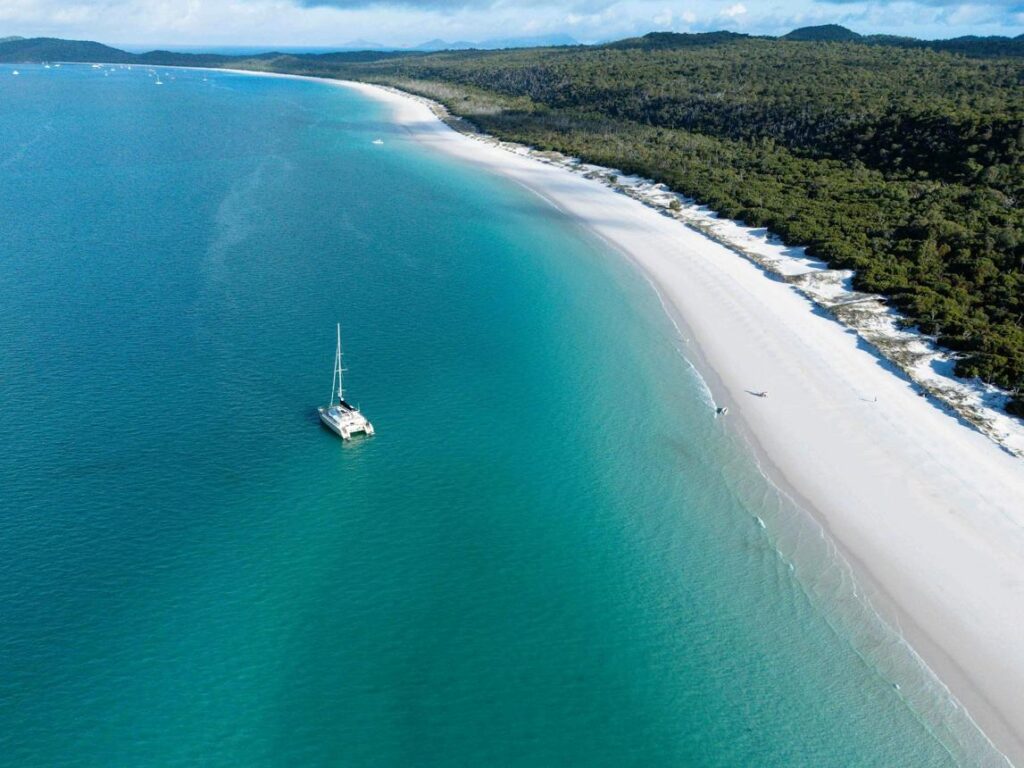
Hayman. Hamilton. Whitehaven Beach on Whitsunday Island. Hook Island’s Nara Inlet. Daydream. The Passage. South Molle. These are the destinations that appear in every charter brochure and most Instagram posts generated from the region, and they are genuinely extraordinary. Whitehaven Beach is one of the most photographed stretches of sand in the southern hemisphere for reasons that are entirely justified.
What’s less photographed, and significantly less crowded, begins immediately beyond the circuit.
What the Outer Islands Actually Are
The northern Whitsundays — Gloucester, Saddleback, Olden, and the smaller, largely unnamed islands near the northern passage — receive a fraction of the charter traffic of the southern circuit. The reason is practical: they require a longer passage from Airlie Beach, which places them outside the comfortable range of a three-day bareboat charter operated by guests who are new to the area.
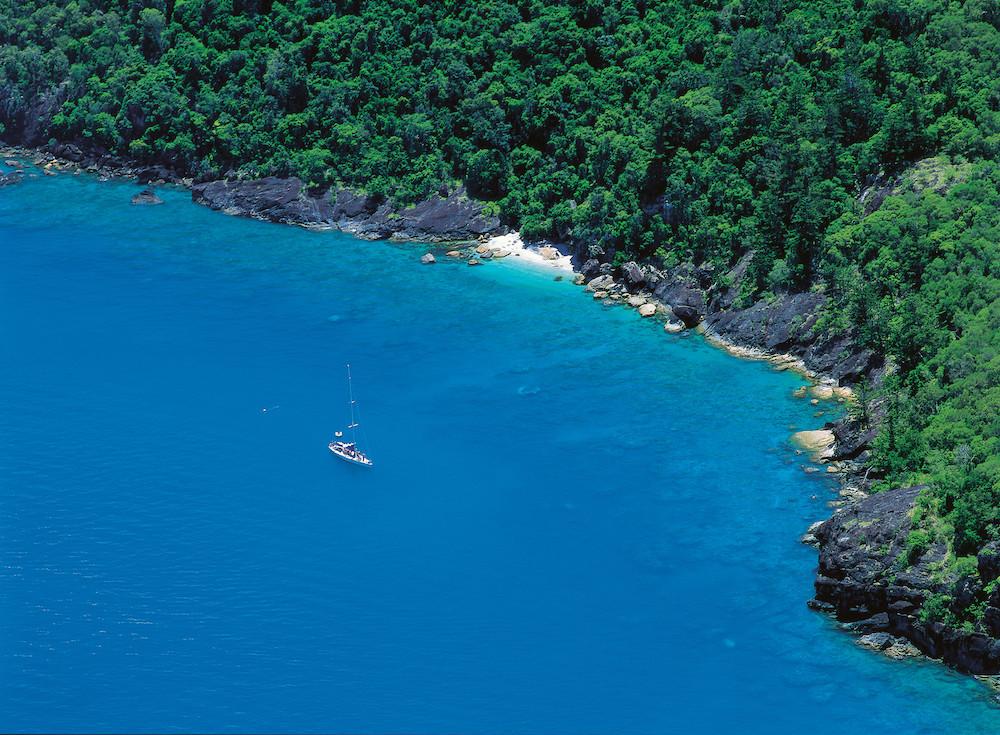
The experienced skipper or the charterer willing to spend a week rather than three days finds something different. Anchorages with one or two other vessels in peak season rather than fifteen. Coral that receives significantly less diver traffic than Hook Island’s Blue Pearl Bay. Fringing reef accessible by snorkeling from an anchored boat in conditions that produce the water clarity the Whitsundays are known for without the boat density that the more-visited anchorages generate.
Thomas Island, Repair Island, the passage between Border Island and the outer reef edge — these are places that appear in the cruising notes of sailors who have done the full Whitsundays circuit multiple times and stopped mentioning them publicly for reasons that require no explanation.
The Sailing Conditions — What You Actually Need to Know
The Whitsundays operate under consistent southeast trade winds from April through October — the primary sailing season — with wind strengths typically between 15 and 25 knots. The passage between islands is generally well-charted and manageable for competent sailors, with the exception of the Whitsunday Passage itself in strong wind conditions, where the funnelling effect between the islands and the mainland can produce short, steep chop that surprises visitors expecting tropical sailing to mean flat water.
The cyclone season runs November through April. The shoulder months — October and November before cyclone season, March and April at the end of it — offer lighter trade winds and lower charter pricing with acceptable risk. The peak season (July and August) delivers the best wind consistency and the highest charter rates. Bureau of Meteorology’s Queensland marine forecasts are the authoritative reference for any Whitsundays passage planning.
For Operators: What the Whitsundays Charter Market Looks Like in 2026
The Whitsundays charter market is one of the most established in the southern hemisphere — Airlie Beach supports a fleet of several hundred charter vessels ranging from small day-charter catamarans to fully crewed luxury sailing yachts. The market is well-developed, professionally served, and consolidated around a relatively small number of established booking channels.
Independent operators — the experienced skipper who knows the outer islands, the dive guide who runs excursions to the less-visited reef sections, the local captain offering customised itineraries beyond the standard circuit — exist in this market and consistently deliver better experiences than the commodity charter fleet. They are also, reliably, harder to find online.
The international traveler who arrives in Airlie Beach having planned their Whitsundays trip from London, Los Angeles, or Tokyo finds the established charter operators because those operators have the marketing infrastructure. The independent guide who knows Repair Island’s underwater topography in detail doesn’t appear in the same search results.
Marina Boat App — free on the Apple App Store — lists Whitsundays charter operators and guides with direct booking and transparent pricing. For independent operators working the Queensland coast: list your charter service, your dive guide operation, your outer island itinerary. Zero commission on every booking. The international guests who are planning their Queensland trip months in advance can find you before they arrive at the Airlie Beach marina office.
For Guests: What to Book and What to Ask
The single most useful question before booking any Whitsundays charter: where specifically will this itinerary take me? Not “the Whitsundays” — which island anchorages, on which nights, with how many other boats in the anchorage?
The charter that answers this question specifically, names the anchorages, and adjusts based on conditions is being operated by someone who knows the archipelago. The one that answers with “we’ll see what the weather is doing” and “the usual spots” is probably operating the standard circuit.
The Whitsundays are worth doing properly. Seventy-four islands, warm water, consistent trade winds, and the specific experience of anchoring in a bay with nobody else in it — that experience is available. It just requires booking the operator who knows where to find it.
FAQ: Whitsundays Boat Charter and Sailing
How many islands are in the Whitsundays?
The Whitsundays group contains 74 islands, of which most are uninhabited national park. The standard charter circuit visits approximately six to eight of the most accessible islands from Airlie Beach. The outer and northern islands require longer passages but offer significantly fewer boats in anchorages.
When is the best time to sail the Whitsundays?
April through October is the primary sailing season, with consistent southeast trade winds of 15-25 knots. July and August are peak season with the most reliable wind. The cyclone season runs November through April — October and March-April offer acceptable conditions with lower charter rates.
Do I need sailing experience to charter a boat in the Whitsundays?
Bareboat charter requires demonstrated sailing experience and appropriate qualifications. Crewed charter with a skipper requires no sailing experience from guests. Most charter companies in Airlie Beach offer both options, with competency assessments for bareboat charterers.
How much does a Whitsundays sailing charter cost?
Bareboat charter for a 40-45 foot sailing yacht runs approximately AUD $2,500-4,500 per week depending on vessel and season. Crewed charter for a similar vessel with skipper and cook runs AUD $4,000-8,000 per week. Day charter options from Airlie Beach run AUD $150-300 per person on shared vessels.
How do I find independent Whitsundays charter operators beyond the main booking companies?
Marina Boat App lists independent Queensland charter operators alongside the larger established companies, with transparent pricing and real guest reviews. Free to download and use.
Can I list my Whitsundays charter service on Marina Boat App?
Yes. Download Marina Boat App from the Apple App Store, register as a host, list your charter service or guided water experience with pricing and availability, and publish. Zero commission on bookings. Immediately searchable by international travelers planning Queensland trips.