Singapore Maritime Culture — Sailing and Recreational Boating in Southeast Asia

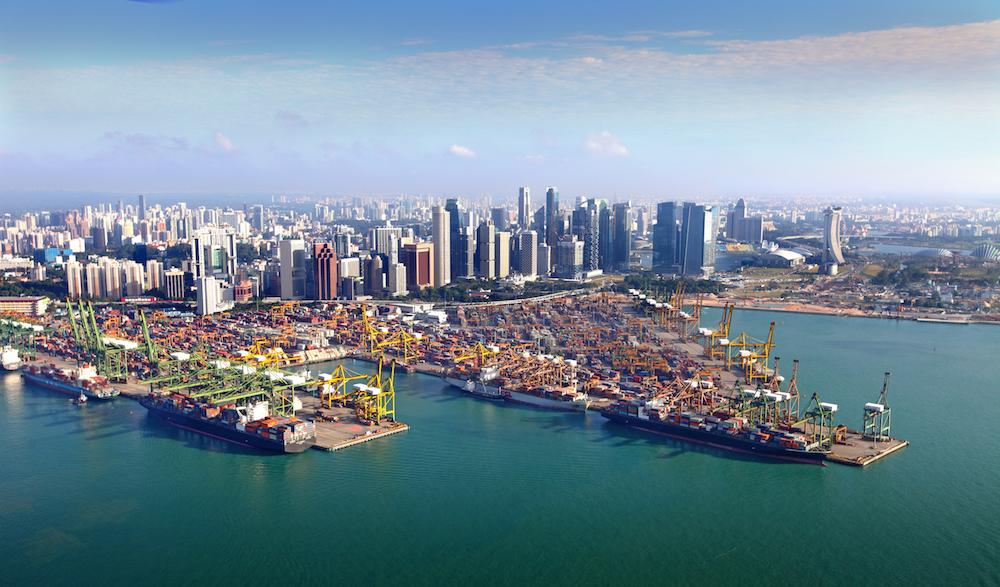
In 2024, the Port of Singapore handled over 40 million shipping containers. At any given moment, approximately 1,000 vessels are in Singapore’s waters simultaneously — tankers from the Gulf, container ships from Shanghai and Rotterdam, bulk carriers moving coal and palm oil through the Strait of Malacca. The maritime industry contributes over 6% of Singapore’s GDP, employs 140,000 people, and has made the city-state the world’s top maritime capital for seven consecutive years according to the Baltic Exchange’s annual rankings.
It is, in other words, the most commercially maritime city on earth.
The recreational sailing culture in Singapore is quiet enough that most visitors, and many long-term residents, don’t know it exists.
This is changing. The change is worth understanding — both because it reveals something specific about how Singapore’s relationship with its own waters is evolving, and because the trajectory is moving faster than the city’s measured reputation for gradual institutional transformation would suggest.
What Singapore’s Sailing Community Actually Is
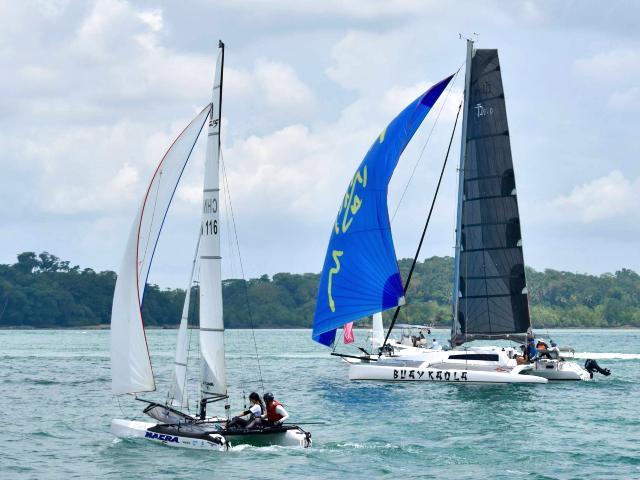
The Republic of Singapore Yacht Club, established in 1826 on the Raffles Waterfront and relocated to its current premises in West Coast in the 1970s, is one of the oldest sailing clubs in Asia. The RSYC has a waiting list. It maintains a fleet of club training dinghies, a marina with berths for member vessels, and a racing program that produces sailors who compete internationally. It is a serious institution doing serious sailing in a city that most outsiders associate with finance and food rather than maritime sport.
Changi Sailing Club on the eastern shore, the Singapore Sailing Federation, and several smaller water sports clubs collectively constitute a recreational maritime community that is larger than its public profile suggests. The weekend racing on the Johor Strait and the recreational sailing toward the Riau Islands attracts participants whose skill level would be unremarkable in Sydney or Auckland and is quietly exceptional for a tropical city-state with no coastal hinterland and no sailing tradition outside the club infrastructure.
The expat community drives a significant portion of this activity. Singapore’s professional expatriate population — finance, technology, maritime industry, law — arrives from sailing cultures in Australia, the UK, New Zealand, and Scandinavia with established recreational boating habits and the disposable income to continue them. The boat charter market, the sailing instruction market, and the private vessel ownership market in Singapore are substantially supported by this demographic’s expectations.
The Straits of Malacca and What They Mean
The waters around Singapore are extraordinary by any maritime measure. The Strait of Malacca carries one-third of global seaborne trade — the figure appears in every article about Singapore’s strategic position, but its implication for the recreational sailor is less frequently noted. The specific geographic condition that made Singapore the world’s most important transshipment port is also what makes its surrounding waters unusually interesting for the sailor who is paying attention.
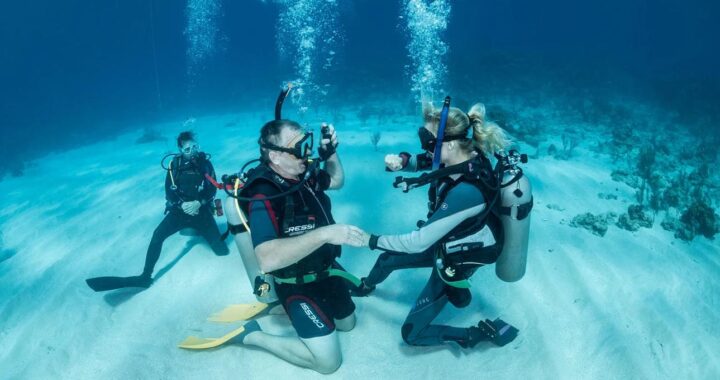
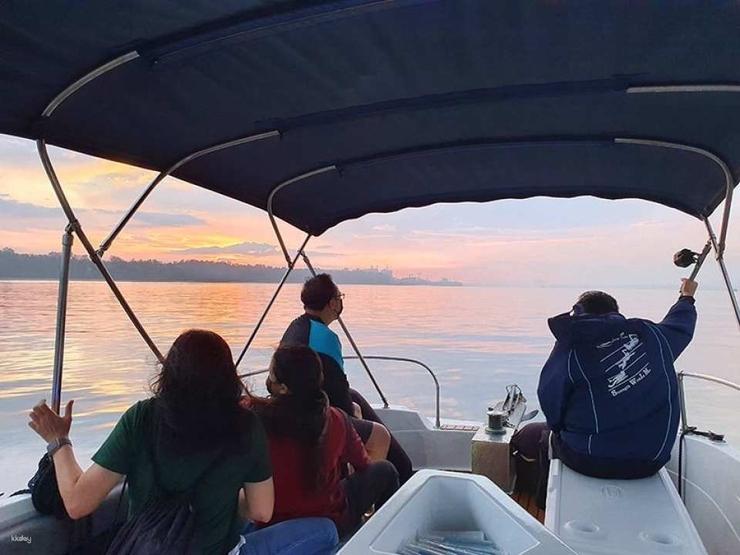
The straits produce a particular marine environment — nutrient-rich, biologically diverse, subject to the tidal patterns and current systems of two oceans meeting at a geographic pinch point. The fishing grounds in the Johor Strait, the diving on the submerged reefs of the Riau Islands, the specific quality of the light at dawn over the South China Sea from a boat anchored east of Pulau Ubin — these are experiences that the city’s maritime infrastructure enables and its commercial reputation obscures.
Singapore commands a strategic position as a maritime hub in the regional and global arena, as the Baltic Exchange has consistently documented — but that strategic position in commercial terms translates, for the recreational sailor, into some of the most geographically interesting waters in Southeast Asia. singaporeair
The Architecture of Change
What is changing in Singapore’s recreational maritime culture is generational and infrastructural simultaneously.
The generational shift: a cohort of Singaporean-born sailors who grew up in the club dinghy programs of the RSYC and Changi, competed at international youth level, and have returned from overseas education and careers with both the skills and the expectation of a recreational sailing life in their home city. This group is small by the standards of sailing nations but large relative to what existed two decades ago, and it is increasingly vocal about the accessibility gap — the difficulty of connecting interested beginners with sailing instruction, boat access, and the network that turns occasional participation into genuine engagement.
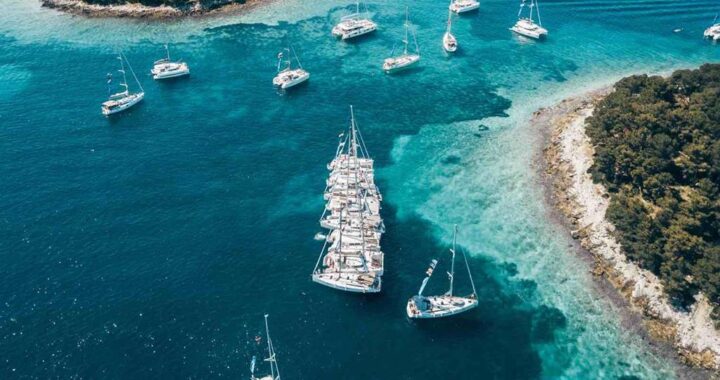
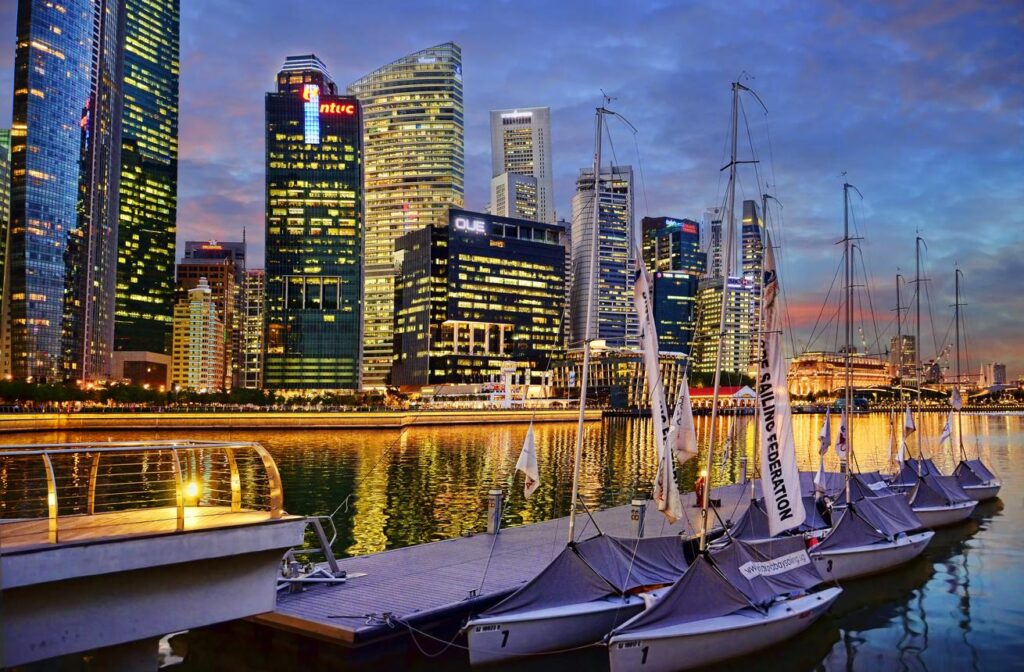
The infrastructural shift: Marina Bay and the integrated resort development around it created, as a byproduct of its commercial ambitions, some of the best urban waterfront access in Southeast Asia. The ONE°15 Marina at Sentosa Cove — a full-service marina with berths capable of handling superyachts — brought a level of maritime infrastructure to Singapore that previously required sailing to Langkawi or Phuket. The Southern Islands, managed by the National Parks Board, have become more accessible through improved ferry connections and the gradual normalization of small boat day trips as a leisure category.
The platform layer is the next infrastructure. What Singapore’s recreational sailing community lacks is not boats, not skilled sailors, not interested beginners — it is the connective tissue that makes water experiences bookable by the person who has never sailed but lives in a city built on the sea.
Marina Boat App — available free on the Apple App Store — is building toward that connective tissue for the global water economy, including in Singapore. The platform is at an early stage and actively looking for Singapore-based operators, sailing instructors, charter companies, and water experience providers who want to be discoverable to the city’s residents and its millions of annual visitors. Contact support@marinasmart.app or the founder directly at bilicvuk1@gmail.com.
What This Looks Like in Five Years
The trajectory of recreational maritime culture in cities like Singapore follows a pattern that Sydney, Hong Kong, and Auckland have already traced. The commercial maritime industry creates the infrastructure and the professional expertise. The expatriate community normalizes recreational boating as a weekend activity. The local population, initially observing from outside, begins to participate — through sailing schools, through accessible boat rental, through water sports instruction that makes the sea available without requiring vessel ownership or club membership.
Singapore is somewhere in the middle of this trajectory. The infrastructure exists. The expertise exists. The demand, from both residents and the roughly 20 million visitors who pass through annually, is building. The missing piece is accessibility — the simple ability to find, compare, and book a water experience in Singapore the way you would book a restaurant or a hotel room.
That piece is arriving.
FAQ: Singapore Maritime Culture and Recreational Sailing
Does Singapore have a sailing culture?
Yes. The Republic of Singapore Yacht Club, established in 1826, and Changi Sailing Club support an active recreational sailing community. Singapore also has a significant expat sailing population from Australia, the UK, and New Zealand who participate in club racing and recreational cruising toward the Riau Islands.
Where can you sail near Singapore?
The Johor Strait to the north, the Southern Islands (Lazarus, St John’s, Sisters’ Islands) to the south, and the Riau Islands of Indonesia (Batam, Bintan) accessible in 45-60 minutes by ferry or private boat are the primary recreational sailing grounds accessible from Singapore.
Why is Singapore one of the world’s top maritime capitals?
Singapore is the world’s busiest transshipment port and leading bunkering hub, handling over 40 million containers annually. Its strategic position at the southern tip of the Malay Peninsula, controlling access to the Strait of Malacca through which one-third of global seaborne trade passes, has made it the dominant global maritime hub.
What water activities are available for visitors in Singapore?
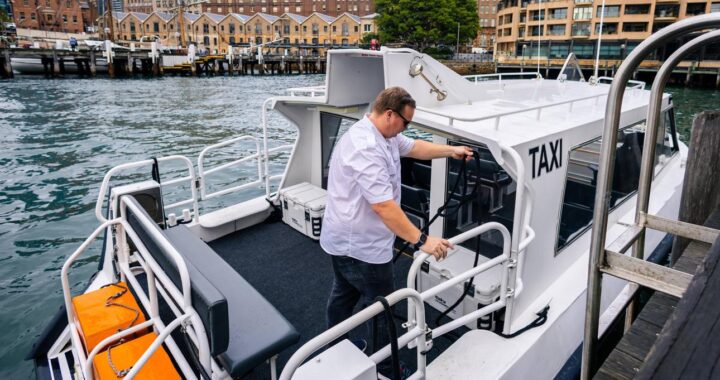
Day boat charters to the Southern Islands, guided diving and snorkeling on fringing reefs, fishing charters to the Johor Strait and Riau Islands, sailing lessons through club programs, and water taxi services connecting Marina Bay with Sentosa are the primary water activities available to visitors.
How do Singapore boat operators reach international visitors?
English-language listings on dedicated water activity booking platforms reach the international visitors and expat community searching for Singapore water experiences in advance of travel. Contact support@marinasmart.app for operator partnership information.