How to Find Boat Crew Jobs USA — Skipper and Water Sports Work 2026

There are two kinds of people reading this. The first has a maritime licence, years of experience on the water, and a phone full of contacts from past seasons who call when they need a captain. The second has the skill — the dive certification, the kayak instruction hours, the sailing experience, the fishing knowledge — and no reliable way to turn it into consistent paid work.
Both problems have the same root: the water economy runs on relationships, and relationships run on who you already know. The person who knows the right marina manager gets called. The one who doesn’t sits at home waiting for a season that never quite materializes.
In 2026, that infrastructure is changing. Here’s what the job market actually looks like and how to position yourself in it.
What Jobs Actually Exist on the Water in the US
The water employment market is broader than most people outside it realize. It is not just licensed captains and professional yacht crew. It is:
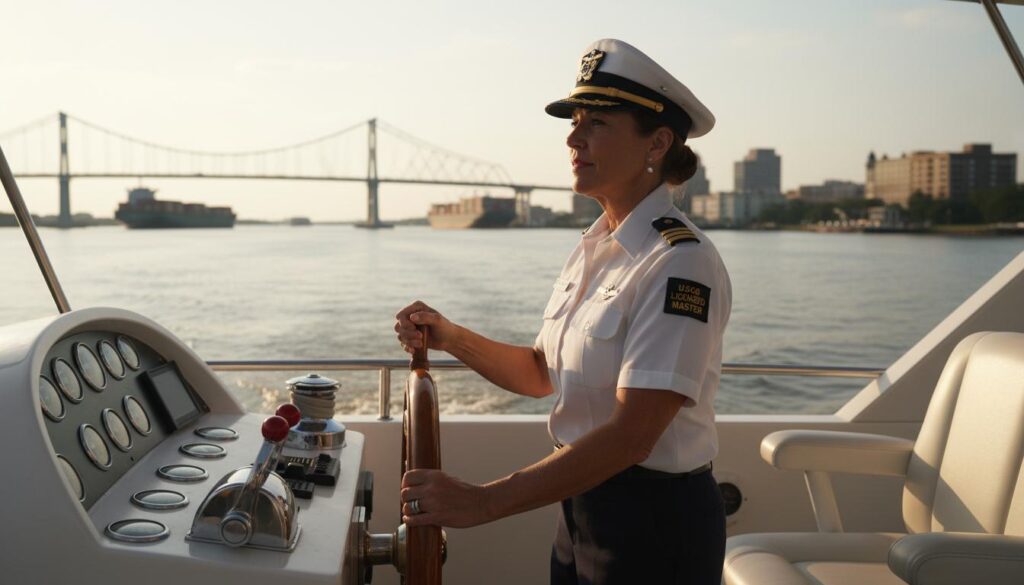
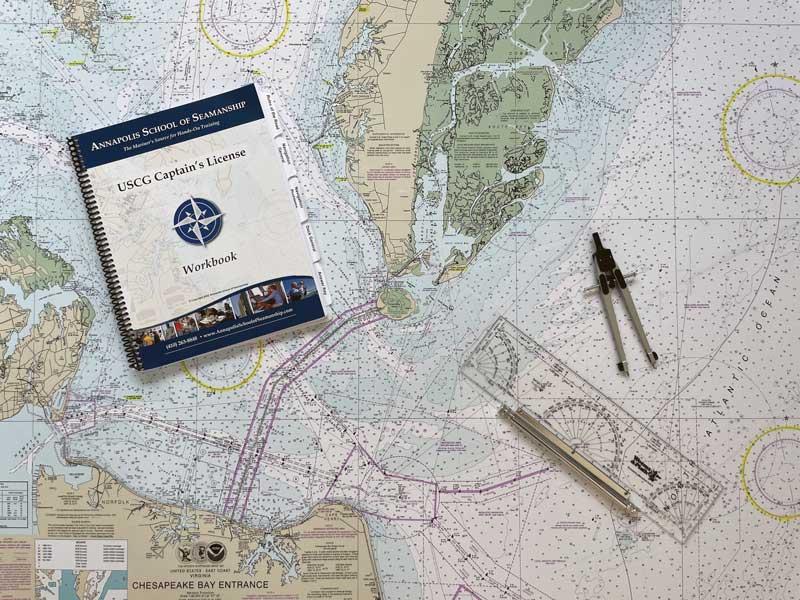
Licensed skippers and captains — USCG OUPV (Six-Pack) or Master’s licence holders who operate charter fishing boats, day charter vessels, water taxis, sunset cruise boats, and private yacht deliveries. Demand is consistent across all US coastal markets. Experienced captains with strong review histories command $200-500 per day plus tips.
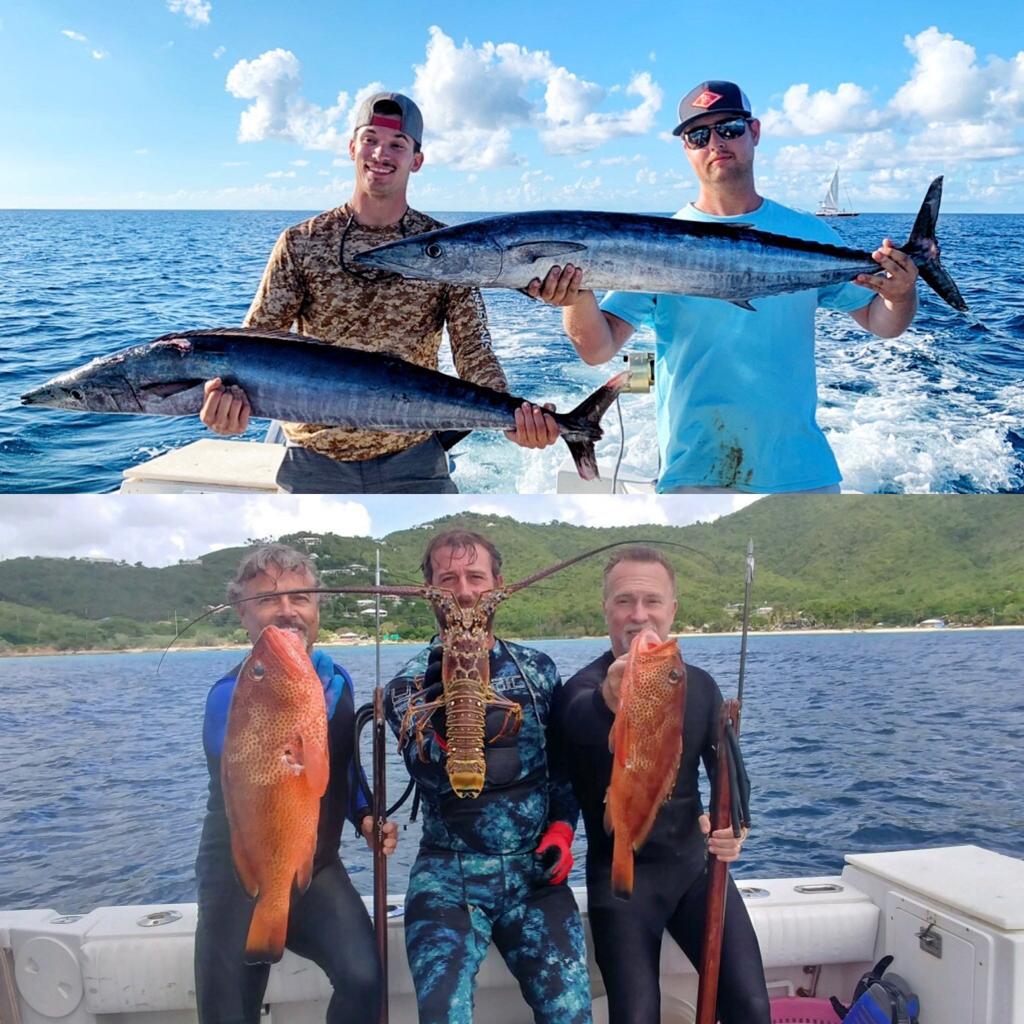
Fishing guides — not always separately licensed from boat operators, but a specific skill set. Freshwater and saltwater guides who put clients on fish consistently are among the highest-compensated independent water workers, particularly in premium markets like the Florida Keys, the Pacific Northwest, and the Gulf Coast.
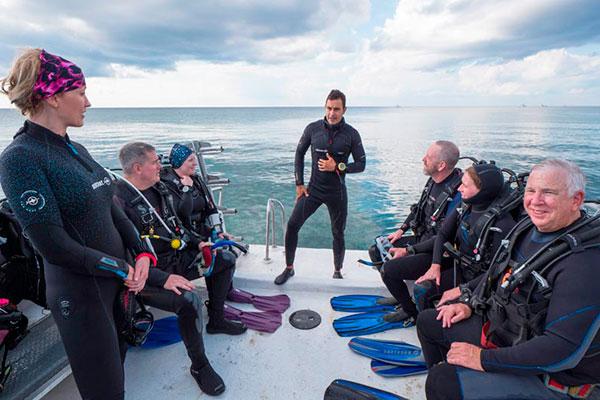
Dive instructors and divemaster crew — PADI or NAUI certified professionals who lead certification courses, guided dives, and snorkeling tours. Work exists at dive shops, aboard liveaboard dive vessels, and with independent charter operators running dive excursions. Demand peaks in tropical and subtropical coastal markets year-round.
Kayak and paddleboard guides — growing category as paddle sports participation expands. Guides who lead wildlife tours, mangrove channel expeditions, and coastal excursions work seasonally in most US markets, year-round in Florida, Hawaii, and Southern California.
Water sports instructors — surfing, wakeboarding, kiteboarding, foiling, parasailing. Instruction and guide work across a range of skill levels. Resort-based, independent, and charter-adjacent positions all exist.
Yacht delivery crew — experienced offshore sailors who move vessels between ports and marinas for owners. Specialized but consistently available through sailing networks.
General deck crew and mate positions — supporting roles on larger charter vessels, whale watching boats, and commercial day charter operations. Entry-level positions for those building sea time toward a licence.
The Problem With How This Market Currently Works
Most water employment in the US is filled through personal networks. The fishing captain who needs a mate for the summer calls his regular. The charter company that needs a dive instructor posts on a Facebook group. The kayak tour operation that wants a seasonal guide asks around at the outfitter.
This works for people already embedded in local water communities. It systematically excludes everyone else — the experienced diver who moved to a new coastal city and doesn’t know the right dive shops, the licensed captain relocating from the Pacific Northwest to Florida, the kayak guide whose previous operation closed and who has no existing relationship with new employers.
The result: skilled people who can’t find work, and operators who can’t find skilled people. The matching problem is not about supply or demand. It’s about infrastructure.
How Marina Boat App Addresses This
Marina Boat App, free on the Apple App Store, includes crew and skipper for hire as a primary listing category. A licensed captain, dive instructor, fishing guide, or kayak guide creates a profile listing their qualifications, availability, location, and day rate — and becomes searchable by boat owners and charter operators looking to hire.
This is the supply-side version of what the app does for boat owners. Instead of listing a vessel, you list yourself. Your certifications, your experience, your availability calendar, your rate. Operators searching for crew in your area find your profile rather than posting on Facebook and hoping the right person sees it.
Create a host profile, select crew or guide listing, add your qualifications and rate, publish. Zero cost to list. No placement fee. The operator who hires you pays you directly — the platform doesn’t take a cut of your employment relationship.
The water employment market in the US is large, consistent, and badly organized. The people who build searchable profiles on platforms designed for the industry before that infrastructure becomes standard will have a material advantage over those who continue relying on who they happen to know.
FAQ: Boat Crew and Water Sports Jobs in the USA
What qualifications do I need to work as a boat captain in the US?
A USCG OUPV licence (Six-Pack) is required to carry up to six paying passengers for hire. A Master’s licence is required for larger passenger operations. Sea service documentation, a physical, drug test, and written exam are required for both. Details at dco.uscg.mil/nmc.
How much do boat crew and skipper jobs pay in the US?
Licensed captains running charter operations typically earn $200-500 per day plus gratuity. Fishing guides in premium markets earn $300-600 per guided trip. Dive instructors running courses earn $150-300 per certification course plus retail commissions. Rates vary significantly by market and experience level.
Where can I find boat crew and skipper jobs online?
Marina Boat App includes crew and skipper listing profiles alongside boat and service listings, connecting qualified water professionals with charter operators and boat owners seeking to hire. Free to list, zero placement fee.
Do I need a PADI certification to work as a dive guide?
Yes. Working as a paid dive instructor in the US requires a recognized instructor certification (PADI, NAUI, or equivalent). Divemaster certification is the minimum for assisting on guided dives without instructing. Open water instructor certification is required to teach certification courses.
What is the job market like for kayak guides in the US?
Demand for qualified kayak and paddleboard guides has grown consistently with paddle sports participation. Year-round work exists in Florida, Hawaii, and Southern California. Seasonal work is available across all US coastal markets from spring through fall. Guide certification through the American Canoe Association strengthens employability.


unuldywukquroffwpqmzqjwidvluxh