Croatia Yacht Charter Business — How Operators Built Profitable Fleets

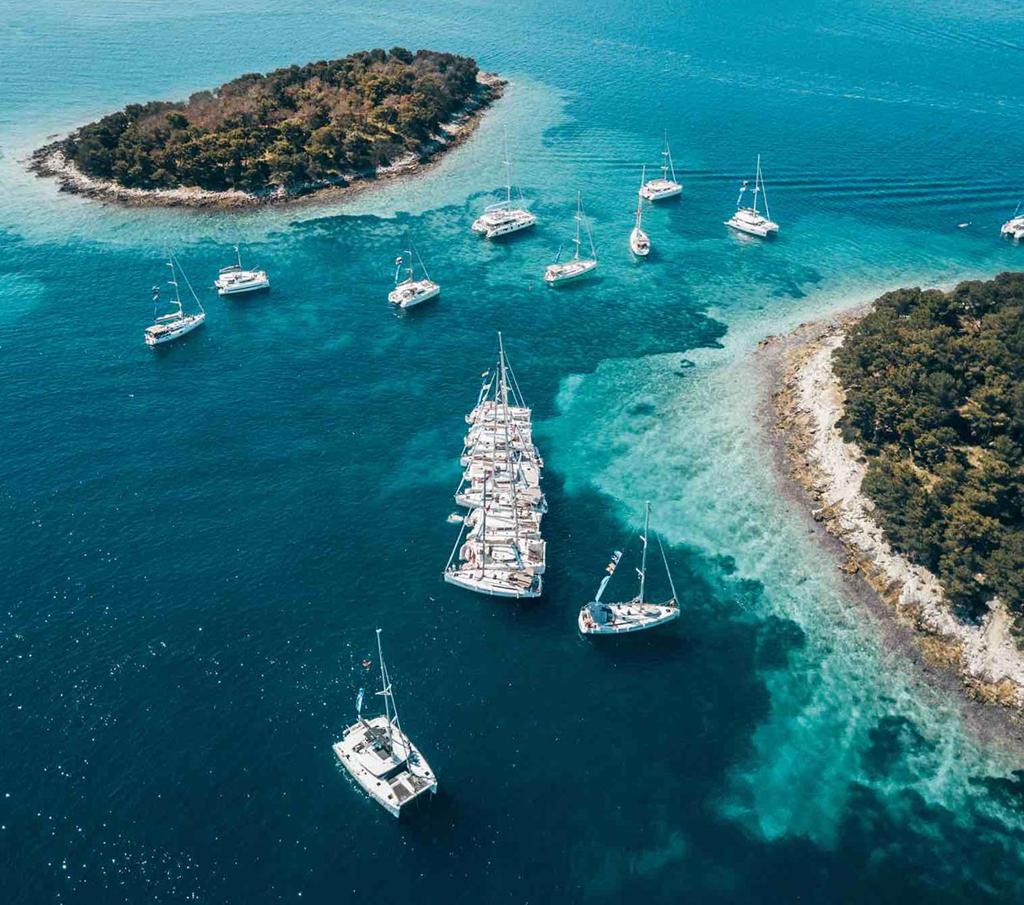
In the summer of 1991, Croatia’s sailing coastline — the Dalmatian islands, the Kornati archipelago, the Kvarner Gulf — was largely inaccessible to international tourists. A war was beginning. The marinas were closing. The charter boats that had operated under Yugoslav registry were being repositioned or idled.
By 2000, the same coastline was becoming one of the fastest-growing charter markets in the Mediterranean. By 2010, it was one of the most established. By 2026, it generates an estimated €200-250 million in charter revenue annually, supporting over 20,000 registered charter vessels and a professional services ecosystem — skippers, boat maintenance, provisioning, marina management — built from essentially nothing in under three decades.
The operators who entered the Croatian charter market in the early 2000s, when the infrastructure was basic and the international awareness was low, built businesses that are now genuinely difficult to replicate from scratch. Not because the market is closed, but because the review histories, the fleet positioning, and the client relationships accumulated over twenty-plus seasons represent a compounding asset that a new entrant in 2026 cannot buy.
The parallel with what is happening right now in the digital booking layer of the European charter market is not incidental.
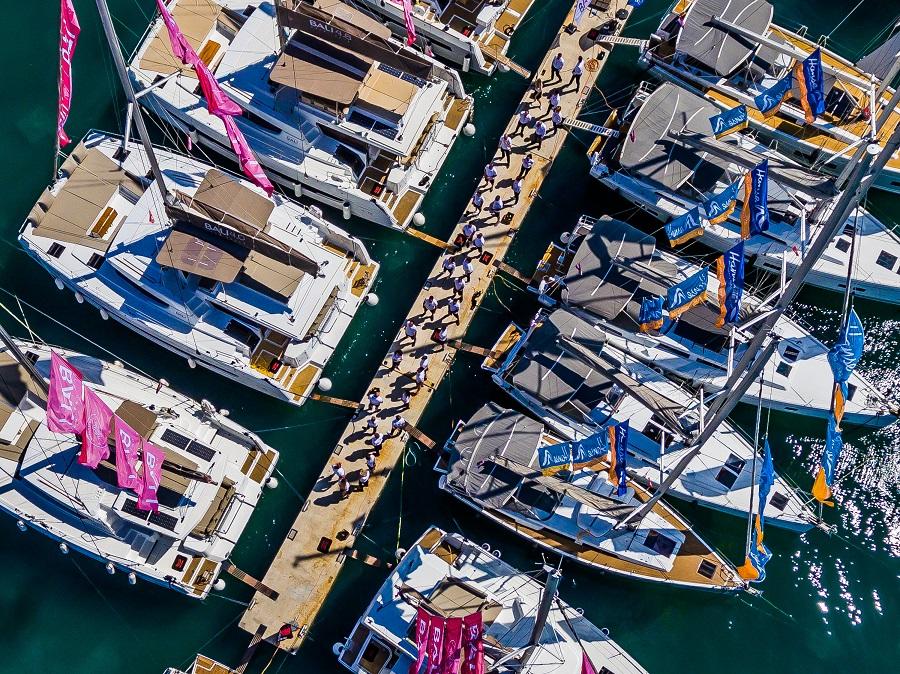
What the Croatian Charter Business Model Actually Looks Like
The majority of successful Croatian charter operators run what the industry calls a mixed fleet model: privately owned vessels that the operator uses personally for part of the season and places into the charter fleet for the remainder. The economics require some explanation because they are less obvious than they appear.
A 45-foot sailing yacht purchased new costs approximately €180,000-250,000. The same yacht in Croatia’s charter market generates €25,000-45,000 in gross annual charter revenue, depending on the vessel’s age, specification, and season length. After marina fees, maintenance, insurance, management fees to the charter company (typically 25-35% of revenue), and depreciation, net annual income to the owner runs €8,000-18,000. This is not a high-yield investment in isolation. It becomes more interesting when understood as partial offset of ownership costs on a vessel the owner also uses personally — combined with the appreciation of a quality sailing yacht over a 10-15 year ownership period in a rising market.
The operators who have built genuinely significant businesses have done so through fleet expansion — adding vessels through retained earnings and leveraging established charter revenue history to access marine financing for additional yachts. A fleet of six to ten vessels, managed efficiently, generates the kind of revenue that makes the business self-sustaining and scalable.
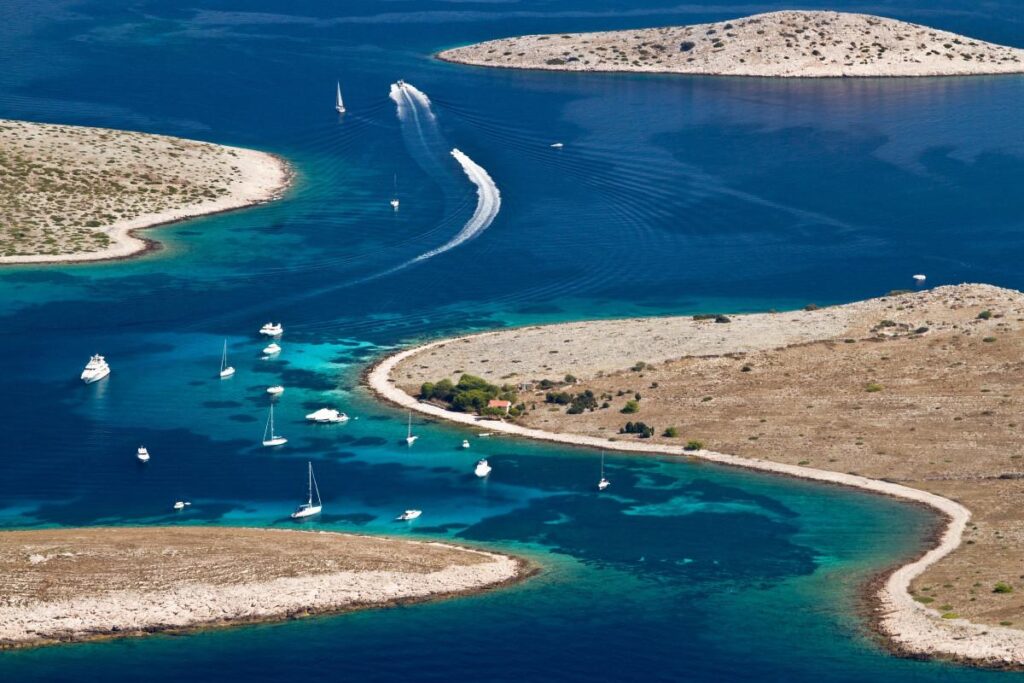
The Digital Distribution Gap That Still Exists
Here is the part of the Croatian charter story that hasn’t been resolved in the way the physical infrastructure has. The dominant booking channels for Croatian charter — international charter brokers, the major online charter platforms — take 20-35% of charter revenue for providing distribution. An operator generating €40,000 gross annual charter revenue from a single yacht retains €26,000-32,000 after platform and broker fees.
This fee structure is rationalized by the fact that the platforms provide international reach — German, British, Scandinavian, and American sailors who would not otherwise find the specific yacht or the specific operator. The argument is real. The cost is real. And the alternative — building independent distribution to these same international audiences — has historically been beyond the reach of individual operators or small fleets.
The emerging alternative is platforms built specifically for the maritime market that charge operators zero commission. Marina Boat App, free on the Apple App Store, lists Croatian charter operators — sailing yachts, motor yachts, catamaran charters, skippered day charters — with direct booking capability and no commission deducted from charter revenue. An operator who generates €40,000 in bookings through Marina Boat App retains €40,000.
The platform is newer than the established brokers. The audience is smaller. The trajectory follows the same pattern as every marketplace platform in its early adoption phase — and the operators who establish review histories now are positioned before the traffic scales.
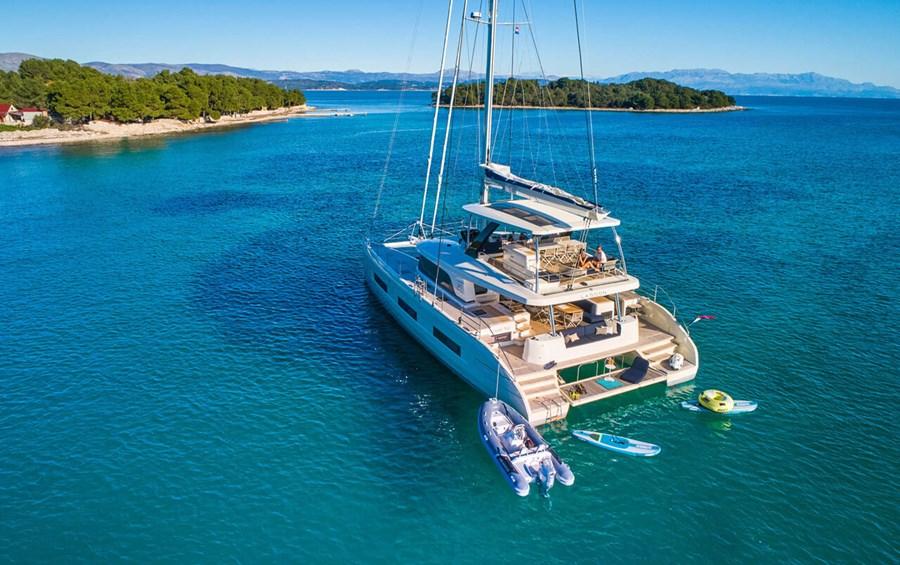
What the Next Generation of Croatian Charter Operators Is Doing
The most interesting new entrants into the Croatian charter market are not buying fleets. They are building what the established operators built physically — client relationships, local knowledge, reputation — but digitally, through platforms that surface their specific expertise to the international audiences willing to pay for it.
The sailing skipper who knows every anchorage in the Kornati, lists skippered day charters on Marina Boat App, and accumulates 50 genuine reviews over two seasons has built something that the large charter company cannot replicate from its generic inventory listing. The personal expertise, the specific local knowledge, the review history attributable to a specific human being rather than a generic vessel — these are genuinely scarce in a market that has commoditized the bareboat product.
FAQ: Croatia Yacht Charter Business
How much does a yacht charter operator earn in Croatia?
A single 45-foot sailing yacht in the Croatian charter market generates €25,000-45,000 in gross annual charter revenue. After marina fees, maintenance, insurance, and management or platform fees, net owner income typically runs €8,000-18,000 per vessel annually.
What licence is required to operate a charter yacht in Croatia?
Charter vessels in Croatia require a charter permit issued by the Croatian Maritime Directorate (MMPI). The operating captain must hold a valid nautical licence appropriate to the vessel class. Details at mmpi.gov.hr.
How do Croatian charter operators find international clients?
The dominant channels are international charter brokers and online booking platforms taking 20-35% commission. Zero-commission alternatives like Marina Boat App are emerging as direct booking infrastructure for operators who want to retain the full charter fee.
Is it still worth entering the Croatian charter market in 2026?
Yes, particularly for skippered day charter and boutique crewed charter operations. The bareboat commodity market is competitive, but operators offering genuine local expertise, personal service, and strong review histories consistently outperform generic inventory in booking conversion and repeat clientele.
How do I list my Croatian charter yacht or service with no commission?
Download Marina Boat App free from the App Store. Register as a host, list your vessel or charter service with photos and pricing, and publish. Zero commission on every booking.