Italy Has 4,700 Miles of Coastline. The Best Parts Are the Ones You Can Only Reach by Boat.

The strangest thing about traveling in Italy is how thoroughly the road system has structured what visitors are allowed to experience. The autostrada connects the cities. The state roads reach the towns. The tourist infrastructure concentrates precisely at the places the roads reach and thins to almost nothing at the places they don’t.
This sounds obvious until you understand what it means for the coastline.
Italy has 4,723 miles of coast — more than any country in southern Europe. A significant portion of that coastline is either inaccessible by road, actively discouraging road access through geography, or technically reachable by car but experienced so incompletely from land that the road version is a different thing entirely from the actual place.
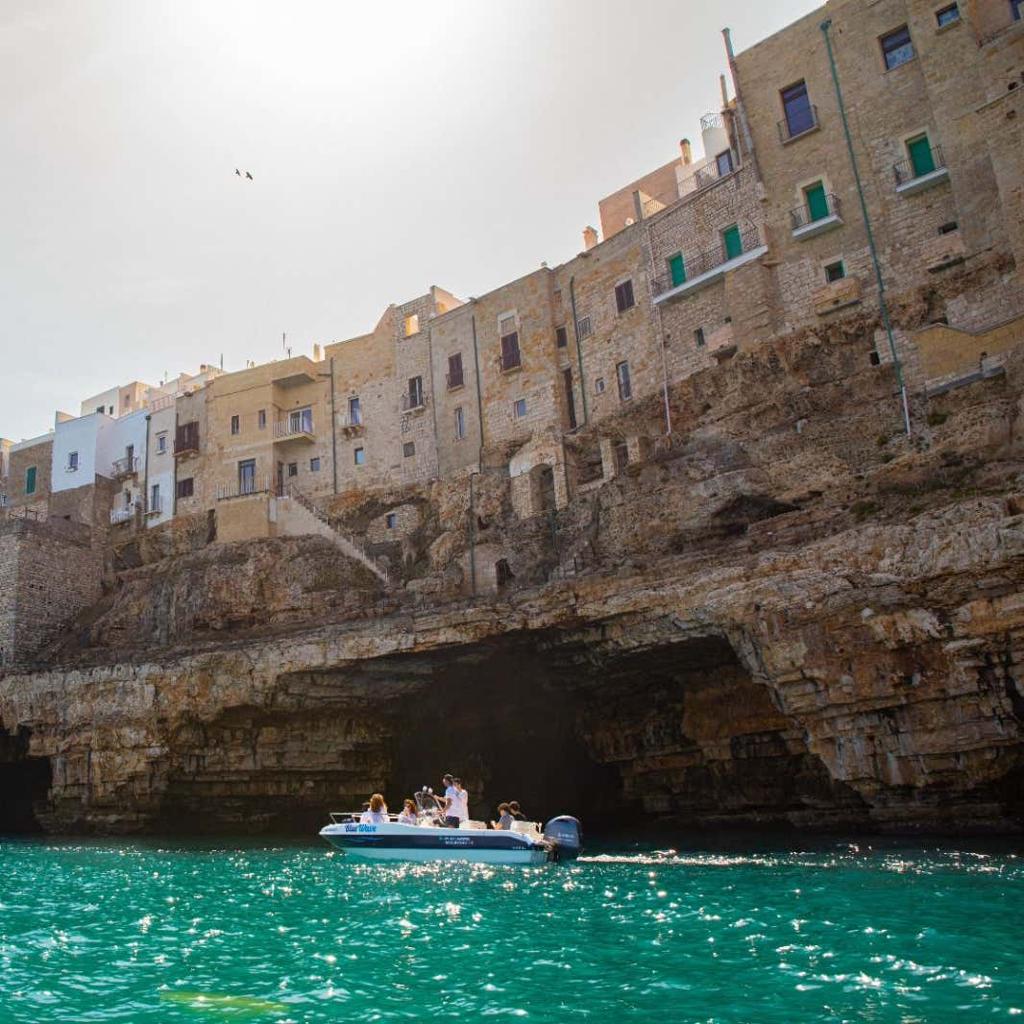
The trullo farmhouses of Puglia visible from the highway are a backdrop. The same coastline seen from a boat anchored in a sea cave near Polignano a Mare is the reason people move to Puglia.
What Happens When You Leave the Dock
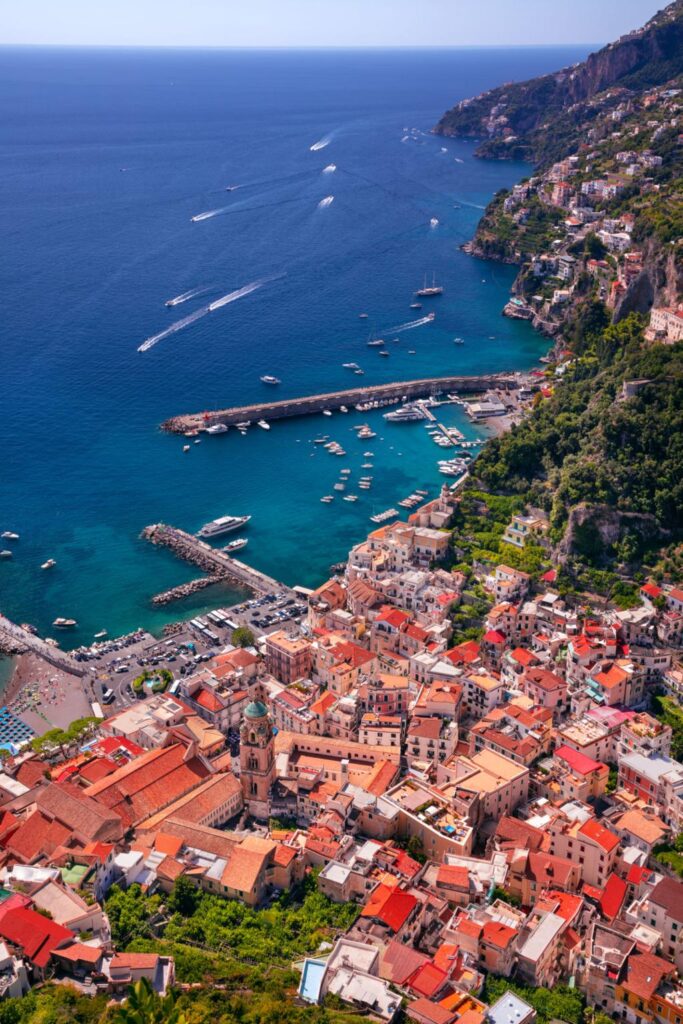
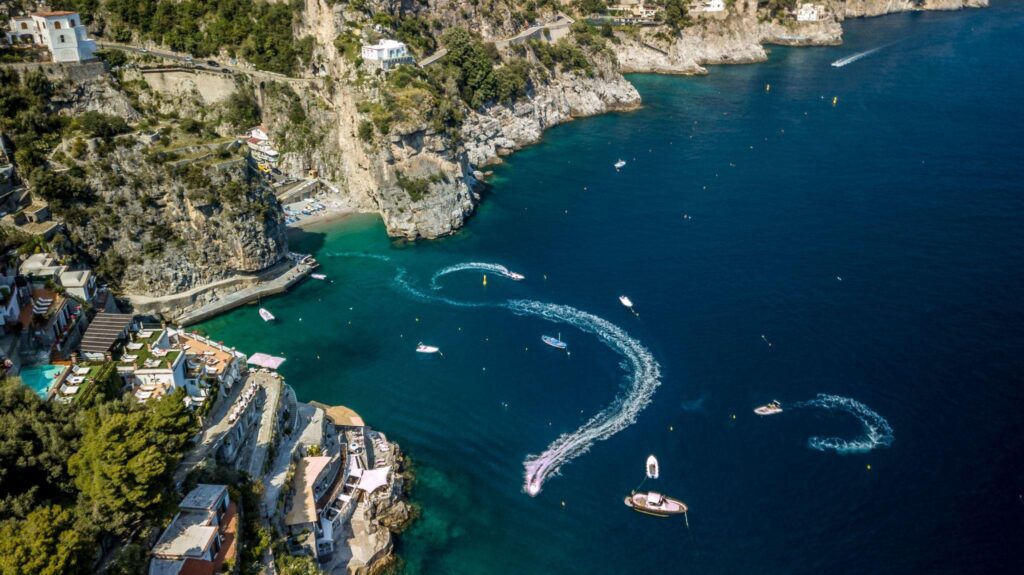
The Amalfi Coast has been photographed from every road-accessible viewpoint so thoroughly that the images have become the place — most visitors arrive already knowing what it looks like and spend the trip confirming the images. The coast from water level is something different.
The cliffs that the road cuts through horizontally are, from a boat below, vertical and overwhelming in a way photographs consistently fail to capture — the camera cannot replicate the vestibular experience of standing in a boat at the base of a 400-meter cliff with nothing above but limestone and sky.
As we covered in The Amalfi Coast Looks Better From the Water, this is consistent across Italy’s most famous coastal destinations — the road gives you access to a place, and the boat gives you the place itself.
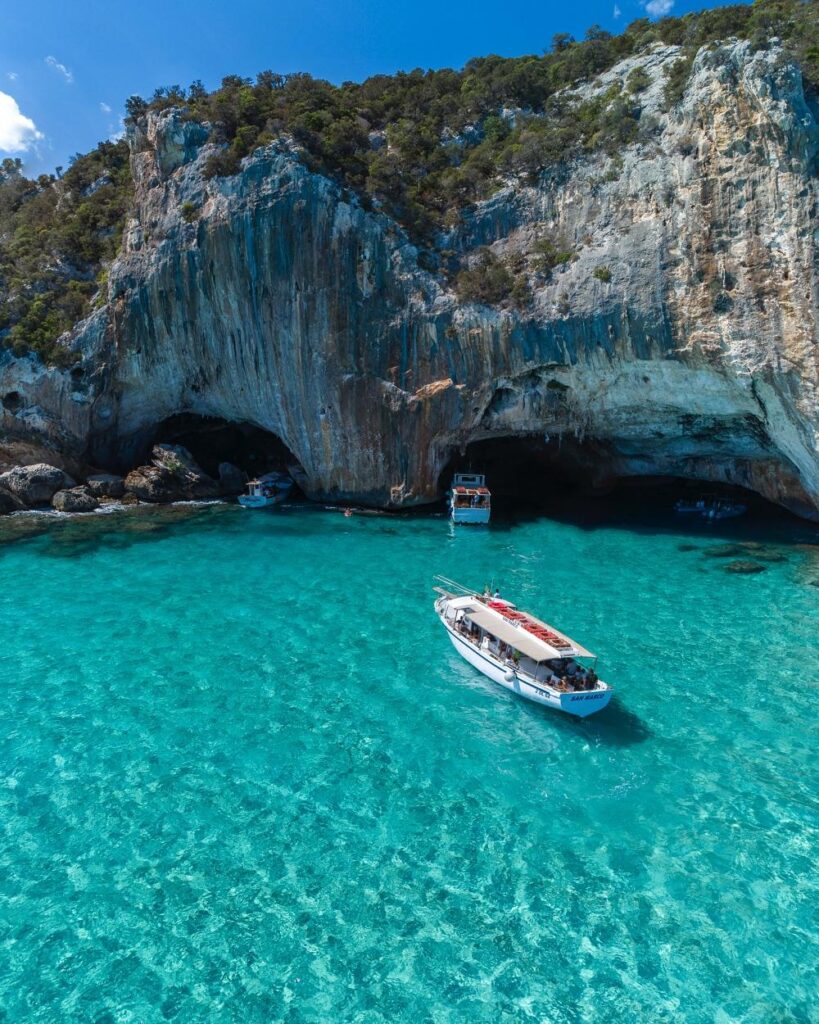
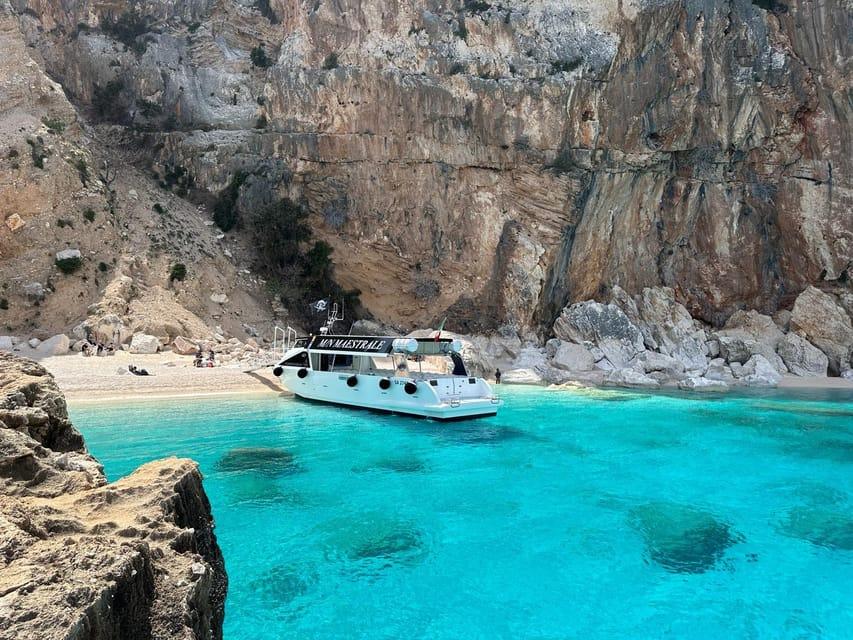
Sardinia takes this further. The Golfo di Orosei on the island’s eastern coast contains a stretch of coastline — cliffs, sea caves, and beaches with no road access whatsoever — reachable only by boat or by a multi-day trekking descent. The beaches here, particularly Cala Luna and Cala Mariolu, appear on every list of the most beautiful in Europe. They are not accessible by any means that doesn’t involve significant physical effort or a boat charter from Cala Gonone.
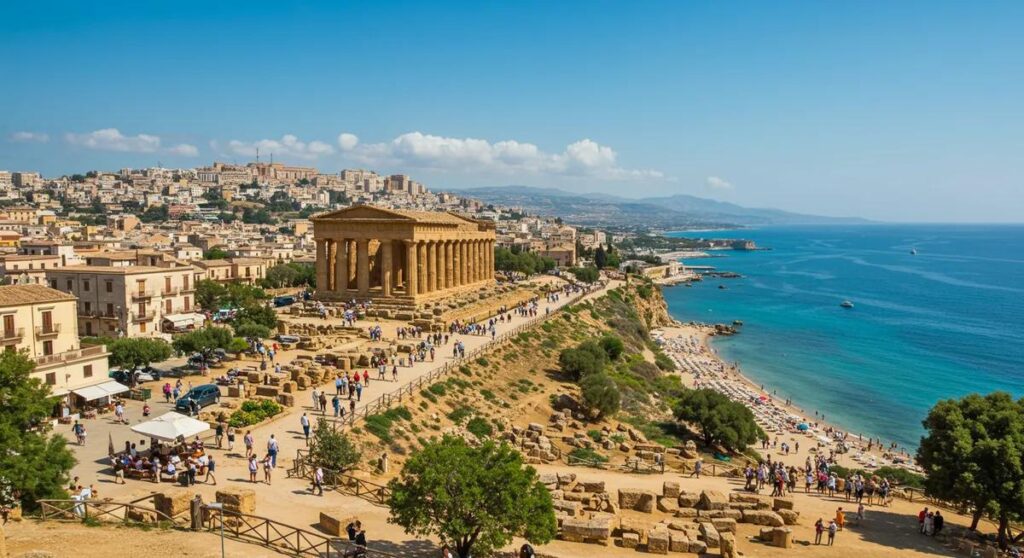
Sicily’s southern coast — the stretch below the Valley of the Temples at Agrigento — offers something no road delivers: the approach to the Greek temples from the sea, the direction from which Phoenician traders first encountered this coastline. The temples are extraordinary from the archaeological site. From a boat approaching offshore, they are extraordinary in a completely different register.
The Italian Boat Charter Market
Italy’s boat charter and rental market is simultaneously one of the most developed in the Mediterranean and one of the least consolidated digitally. Operators in Sicily, Sardinia, Puglia, and the Amalfi Coast range from sophisticated charter companies with professional online presence to family-owned vessels with rates written on a chalkboard at the harbor.
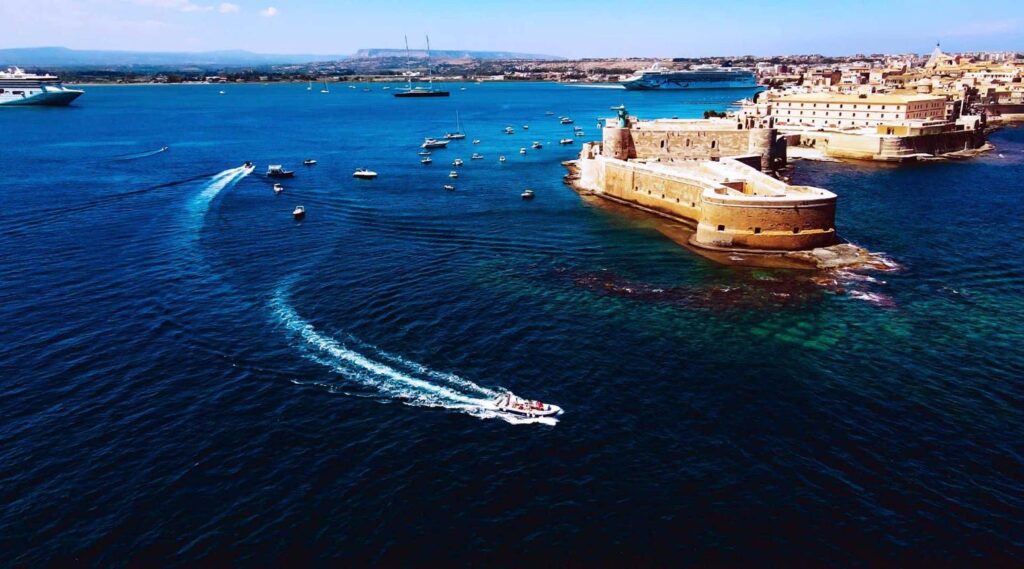
The quality variance is significant. The best operators — the Sicilian captain who has been navigating sea caves near Syracuse for thirty years, the Sardinian guide who knows Golfo di Orosei’s underwater topography in detail — are often not the most visible online.
Marina Boat App, free on the App Store, lists Italian boat charter and rental operators across the major coastal regions. Zero commission charged to operators means the prices you see are actual market prices — not inflated to cover a platform’s cut.
The Thing Italy Gives You That Greece Doesn’t
Greece has more islands. Croatia has better sailing infrastructure. The French Riviera has more reliable weather data. Italy has something harder to quantify — three thousand years of maritime civilization layered into a coastline where almost every cove and promontory has a story predating the country itself.
The boat anchoring in the Blue Grotto at Capri floats over water Roman emperors swam in. The charter rounding Capo Vaticano sees the same promontory that Greeks, Phoenicians, Romans, Normans, and Aragonese sailors navigated in sequence. This is not nostalgia. It is the specific quality of a place where the past hasn’t been entirely separated from the present — and the boat is the most honest way to experience it.
FAQ: Italy Boat Trips and Coastal Charter
Is Cala Luna in Sardinia actually only accessible by boat?
Yes. Cala Luna in the Golfo di Orosei has no road access. It is reachable by boat charter from Cala Gonone (approximately 30-40 minutes) or by a demanding multi-day trekking descent. The same applies to Cala Mariolu and several other beaches in this stretch of coast — the road simply doesn’t reach them, which is precisely what preserves them.
What is the best month to do a boat trip along the Amalfi Coast?
May and September offer the best combination of warm water, manageable boat traffic, and comfortable temperatures. July and August deliver peak conditions but also the highest concentration of other boats at every anchorage. June is the best balance for most travelers — warm enough, not yet overwhelming.
Can you snorkel from a boat in the sea caves near Polignano a Mare in Puglia?
Yes. The limestone caves and grottos along the Puglia coast near Polignano a Mare are shallow enough for snorkeling in several sections and are significantly more accessible — and more impressive — from a small boat or inflatable tender than from any shore-based position. Local day charter operators from Polignano specialize specifically in this cave circuit.
How do Sardinia’s boat charter prices compare to the Amalfi Coast?
Sardinia is generally less expensive than the Amalfi Coast for comparable boat charter experiences, particularly outside the peak July-August window. A private half-day boat charter in Sardinia runs approximately €200-400, compared to €300-600 for the Amalfi, reflecting the difference in overall tourism infrastructure and demand density.
I have a boat in Italy — how do I start earning money from it through international tourists?
Register as a host on Marina Boat App. The whole process takes about five minutes — create a host profile, describe your boat or charter service, set your pricing and availability, and publish. Your listing becomes immediately visible to travelers from the US, UK, Germany, the Gulf countries, and across Europe who are actively searching for boat experiences in your specific region. Unlike Airbnb Experiences or European charter aggregators that take 20-35% commission, Marina Boat App charges you zero. Everything you earn stays with you. The platform is free to list on, free to use for travelers, and growing its international audience specifically through content targeting high-value source markets.
Does Italy require a nautical licence for boat rental?
Yes, for most motorboats. Italy requires a patente nautica for motorboats exceeding 40 horsepower operated more than 1 nautical mile from shore. Hiring a skipper eliminates this requirement entirely. Some operators offer licence-free rental for smaller vessels within restricted coastal zones.