How to Get More Dive Students — Dive Instructor Marketing 2026

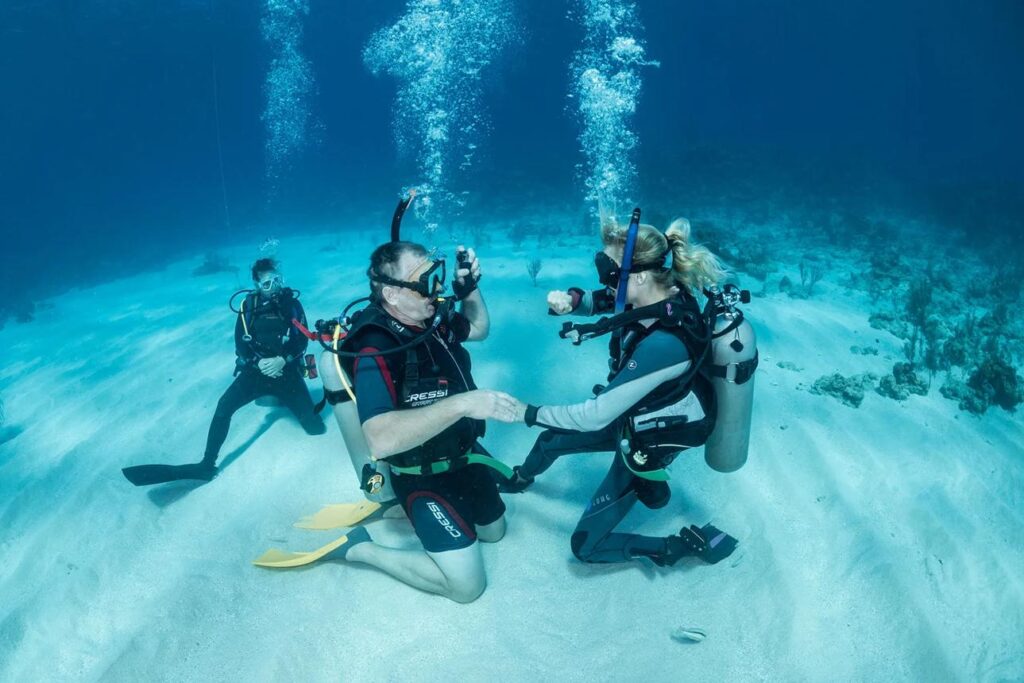
Picture two dive instructors working the same stretch of Florida coastline. Both are PADI certified. Both have been teaching for seven years. Both run genuinely good courses — the kind where students finish their open water certification feeling confident rather than just technically compliant with the minimum requirements.
The first teaches forty students per year. The second teaches two hundred.
The difference is not skill. It is not even reputation, though the second instructor’s reputation has grown because more people have experienced them. The difference is discoverability at the moment a person decides they want to learn to dive.
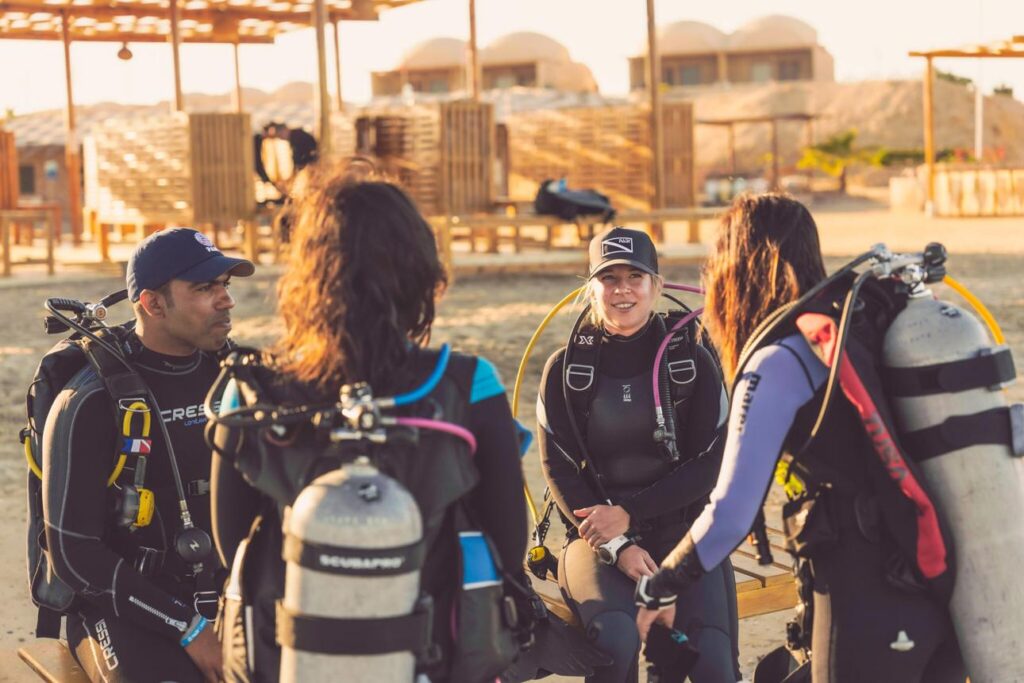
Where Dive Students Come From
The path a person takes from “I want to learn to scuba dive” to sitting in a pool for their first confined water session has two dominant routes in the US market.
The first is the dive shop. The student walks into a brick-and-mortar dive shop, asks about courses, gets pitched the shop’s own instructor program, and books there. The shop instructor gets steady volume through walk-in traffic and local reputation. The independent instructor outside this system gets none of it.
The second is online search. “Scuba diving lessons near me.” “PADI open water course [city].” “Learn to dive [destination].” These searches happen constantly — and they overwhelmingly surface either the national chain dive shops with strong SEO or the large tour aggregators that list everything from whale watching to diving at a high platform commission.
What they don’t surface: the independent PADI instructor in Pensacola with seven years of experience and a 4.9 star rating from every student who has ever reviewed them, who has a cell phone website and a Facebook page they update occasionally.
This is the structural problem the instructor with 200 students has solved and the one with 40 hasn’t.
What the High-Volume Instructors Are Actually Doing
The dive instructors who run independent operations at high student volume in 2026 share a consistent infrastructure: they are listed on platforms that surface water activities to travelers before those travelers arrive at a destination.
The tourist flying to Key West next month who searches for scuba diving lessons in advance doesn’t want to find a shop on arrival and figure out logistics on the day. They want to book the course before they leave home, the way they book the hotel and the flight. The instructor whose courses are bookable in advance — with real pricing, real availability, and real reviews from past students — captures this booking. The instructor who isn’t listed anywhere accessible doesn’t.
Marina Boat App, free on the Apple App Store, lists dive and snorkeling tours and courses alongside other water activities, making independent instructors discoverable to travelers planning water activities before arrival. Register as a host, list your course or guided dive experience, set your pricing and available dates, publish.
Zero commission on every student booking. No placement fee. The instructor in Pensacola with seven years of experience becomes as findable as the national chain dive shop — not because they spent money on marketing, but because the infrastructure that connects what they offer to the people looking for it finally exists.
The Snorkeling Tour Angle
Independent dive instructors consistently underutilize the snorkeling tour market, which sits directly adjacent to their skill set and serves a significantly larger addressable audience.
The percentage of coastal tourists who will book a PADI certification course is small. The percentage who will book a guided snorkeling trip with an experienced marine guide — two to three hours, €40-80 per person, no prior experience required — is substantially larger. The dive instructor who lists guided snorkeling tours alongside dive courses captures both markets from the same qualifications and the same vessel.
The best snorkeling guides in any coastal destination are typically dive instructors who know exactly where the marine life is, what conditions produce the best visibility, and how to manage groups of varying swimming ability in open water. This expertise has market value beyond the certification course pipeline — and it’s a market that is actively growing as coastal tourism expands.
FAQ: Dive Instructor Jobs and Getting More Students
How do I get more dive students as an independent PADI instructor?
List your courses on water activity booking platforms that are searchable by travelers planning trips in advance. This surfaces your availability to the audience actively searching for scuba lessons at your destination before they arrive — the segment that independent instructors without dive shop walk-in traffic most need to reach.
How much do dive instructors earn per student in the US?
PADI open water certification courses typically sell for $300-600 per student. Instructors running courses independently keep the full fee versus splitting with a dive shop employer. Guided snorkeling tours for non-certified guests run $50-100 per person and serve a significantly larger market.
Can I list both dive courses and snorkeling tours on the same platform profile?
Yes. Marina Boat App allows multiple listing types under a single host profile — dive instruction courses, guided dives for certified divers, and snorkeling tours for beginners can all appear under one operator identity.
What is the difference between PADI Divemaster and PADI Instructor for working commercially?
Divemaster is the first professional level — allows assisting on dives and guiding certified divers but not teaching courses independently. Open Water Scuba Instructor (OWSI) is the minimum certification for teaching PADI open water courses as an independent instructor.
Is guided snorkeling a growing business opportunity for dive professionals?
Yes. Snorkeling tour participation has grown significantly alongside broader water activity demand. The addressable market for a guided snorkeling experience is substantially larger than for scuba certification, making it a natural revenue expansion for instructors with existing marine knowledge and a suitable vessel.