The Man Who Fishes the Same Bay Every Saturday Doesn’t Know He’s Sitting on a Business

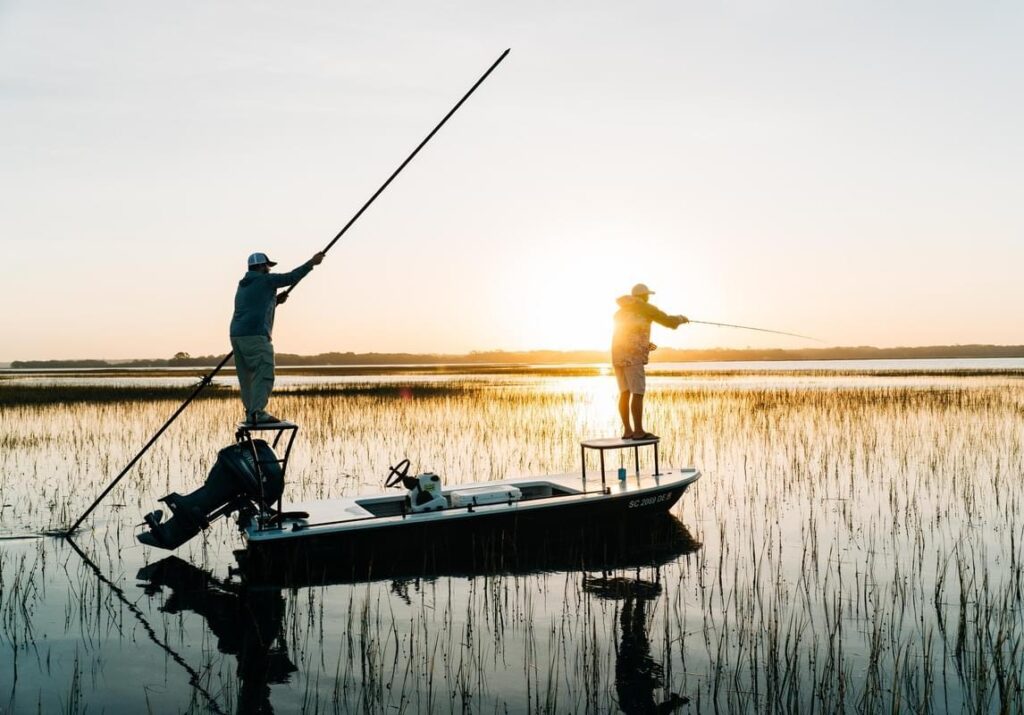
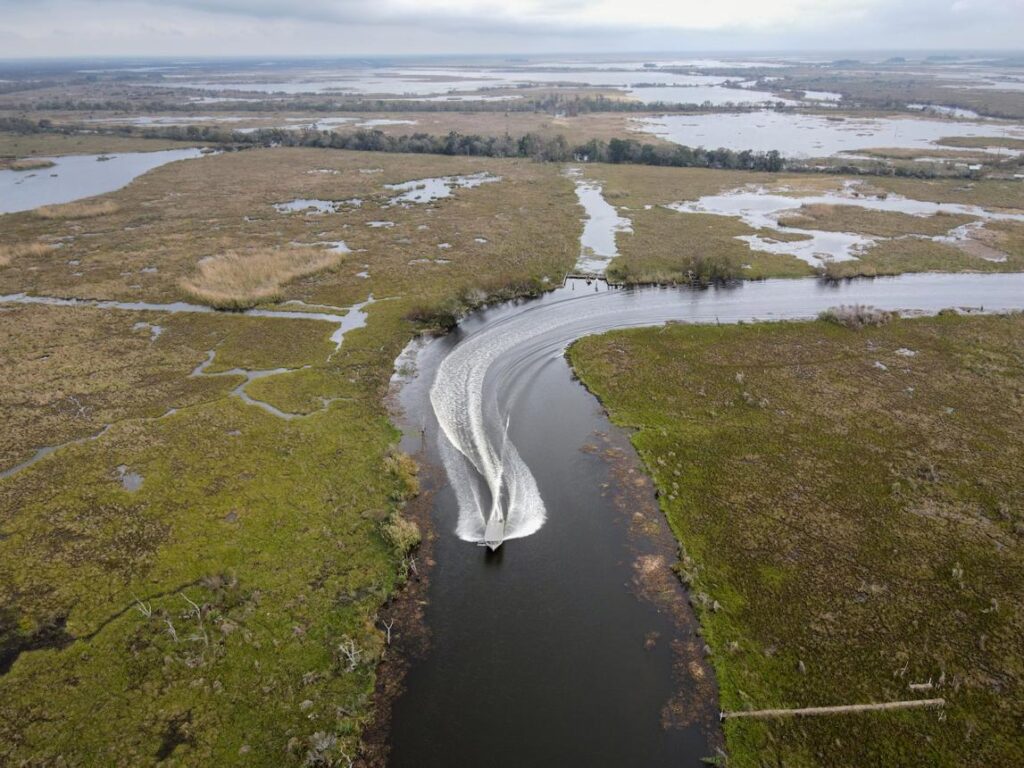
Terry Fontenot has been fishing the marshes outside Houma, Louisiana since he was seven years old. His grandfather taught him where the redfish hold when the water temperature drops below sixty degrees. His father showed him which tides push the speckled trout into the back bays. Over forty-three years of fishing these waters, Terry has accumulated the kind of knowledge that marine biologists with PhDs spend careers trying to document — and largely fail to, because the knowledge lives in the fingers and the eyes, not in data.
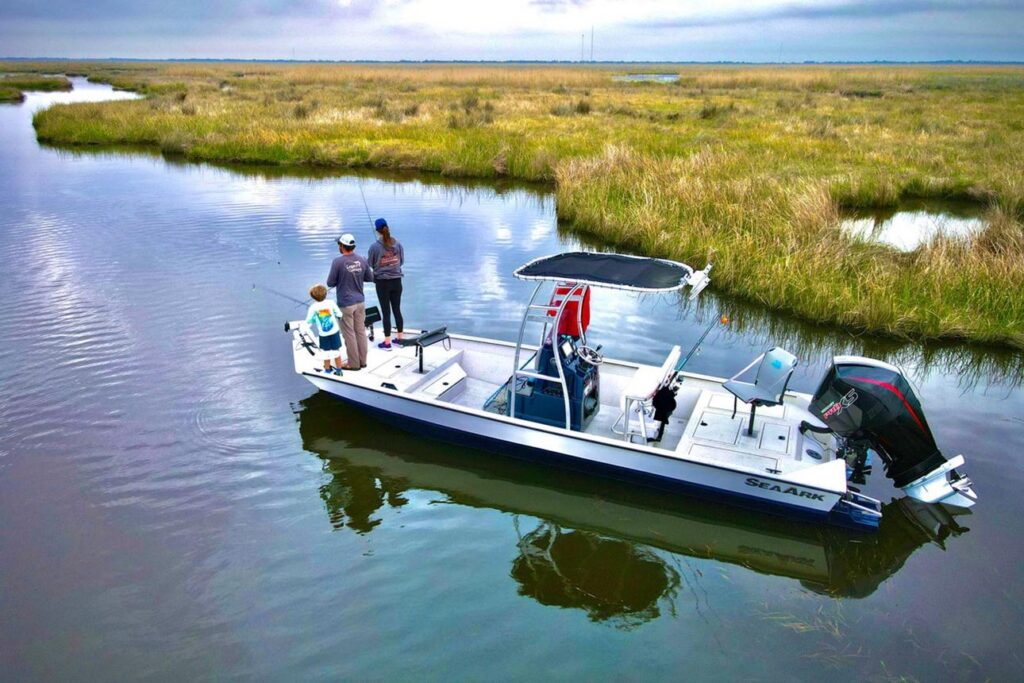
Terry runs guided fishing trips out of a 24-foot Ranger center console he paid off over six years. He charges $450 for a half day, $750 for a full day. He is booked every weekend from March through October by the same thirty or forty people who found him through word of mouth and have been coming back ever since.
He has never had a website. He has no reviews online. If you search “fishing guide Houma Louisiana” on Google, Terry Fontenot does not appear on the first page, or the second page, or — as far as anyone can tell — any page at all.
The Invisibility Paradox
This is the central paradox of the American fishing charter market, and it is worth sitting with: the people who know the water best are systematically the hardest to find.
It is not an accident. It is the predictable outcome of a market that organized itself around reputation before the internet existed, and never fully rebuilt that reputation system in digital form. Terry doesn’t need a website because Terry’s phone rings. It rings because someone told someone who told someone. The system works — until the person who was going to refer the next customer moves away, or dies, or simply stops fishing.
The fishing guides who dominate Google search results in most US coastal markets are not typically the best guides. They are the guides who hired an SEO company, or who listed on a platform that aggregated reviews, or who happened to have a relative who knew how to build a website. This is not cynical — it is simply the mechanics of how digital discovery works, applied to an industry that didn’t build its infrastructure for digital.
According to the American Sportfishing Association, recreational fishing generates $49.8 billion in retail sales annually in the United States. The guided fishing charter segment represents a meaningful slice of that — and it is distributed across thousands of independent operators, most of whom are as findable as Terry Fontenot.
What a Traveler Actually Experiences
Put yourself in the position of someone visiting the Louisiana Gulf Coast for the first time. You want to go fishing. You search for it on your phone. You find three options: a large party boat company with an 800 number and professional photography, a fishing charter aggregator website that lists several operators with varying levels of information, and a Facebook page last updated in 2022.
You book the party boat because it was the most legible option. You spend six hours on a 40-foot vessel with nineteen other people, using tackle provided by the boat, catching a handful of fish you could have caught on a public pier.
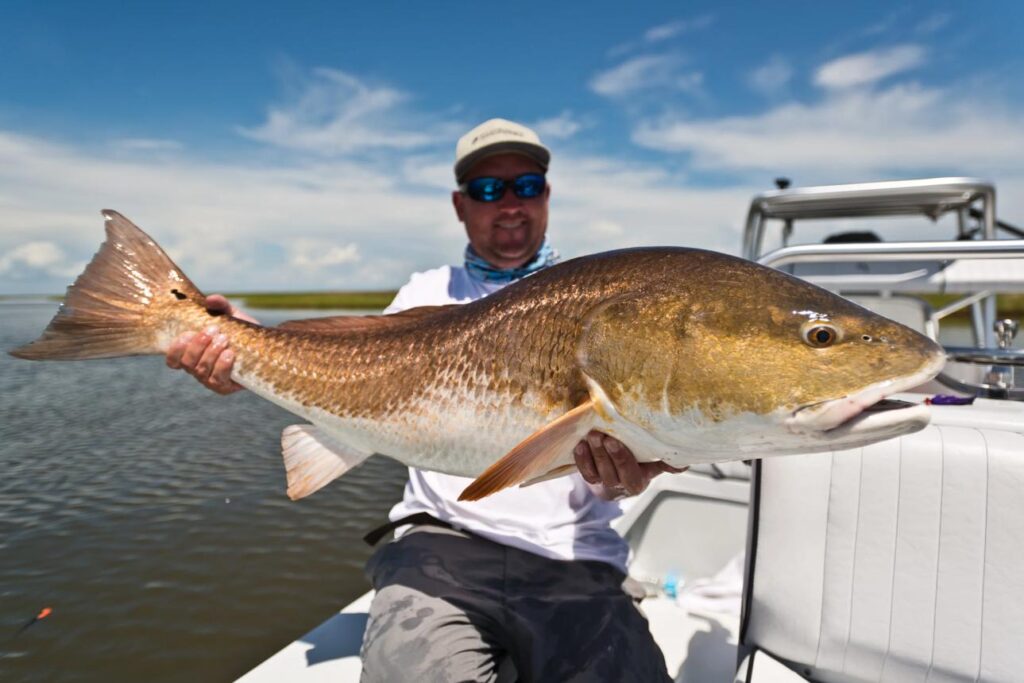
Meanwhile, Terry Fontenot is taking three regulars out to a grass flat twelve miles into the marsh, putting them on a school of redfish that have been holding there for two weeks, and watching them catch more fish in two hours than most anglers see in a month.
The traveler never knew Terry existed.
What’s Actually Changing
The gap between the Terry Fontenots of America and the travelers who would pay well to fish with them has persisted for two decades because the infrastructure to close it didn’t exist. Building that infrastructure — a discovery layer that makes small, excellent, independent fishing guides as findable as the large commercial operators — is the central problem that water activity booking platforms are now beginning to solve.
The shift matters beyond convenience. When Terry becomes findable — when his forty years of knowledge about the Louisiana marsh becomes a searchable, bookable product rather than a secret passed between thirty repeat customers — something real changes about how the value he creates flows. Instead of that value being invisible to the market, it becomes legible. Instead of being capped by word-of-mouth radius, it becomes scalable.
Terry doesn’t need to become a digital marketer. He needs a listing, a few genuine reviews, and a platform that puts him in front of the person who is already searching for exactly what he offers.
FAQ: Booking a Fishing Guide or Charter in the USA
How do I find a good local fishing guide in the USA?
The best local fishing guides are often the hardest to find through standard search engines. Dedicated water activity booking platforms that aggregate independent operators — including smaller guides without major web presence — increasingly surface operators that standard Google searches miss entirely.
How much does a guided fishing trip cost in the USA?
Half-day guided fishing trips typically run $300-600 for a private group of up to four anglers. Full-day private fishing charters run $600-1,200 depending on destination, target species, and distance traveled offshore or into backcountry waters.
What is the difference between a party boat and a private fishing guide?
A party boat (head boat) sells individual seats on a large vessel with many other anglers. A private fishing guide dedicates the trip entirely to your group, with the guide’s local knowledge applied specifically to your fishing goals and experience level.
How do I verify a fishing guide’s credentials?
US Coast Guard credentials for guides carrying paying passengers can be verified through the National Maritime Center at dco.uscg.mil. State fishing guide licences are issued by state wildlife agencies and verifiable through state databases.
Can I book a fishing charter through Marina Boat App?
Yes. Marina Boat App lists verified fishing charter operators and independent fishing guides across US coastal and inland markets, with real pricing and reviews. Free to download, zero commission charged to operators.