The Price of a Boat Charter Has Nothing to Do With the Cost of the Boat


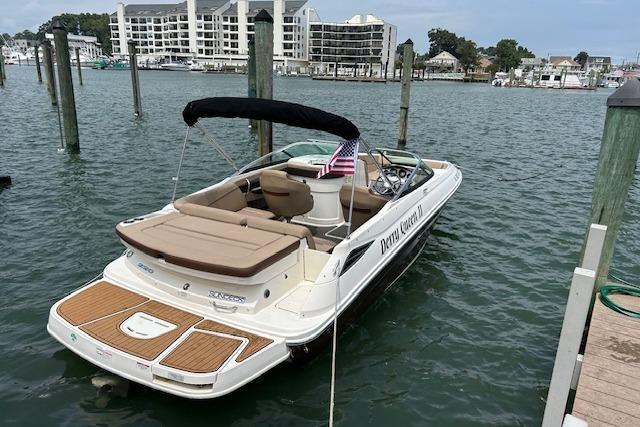
In the spring of 2019, a management consultant named Marcus Webb booked what he described as “a boat” for a bachelor party in Miami. He paid $800. He expected a vessel roughly the size of the one in the listing photo. He received a 22-foot bowrider designed for eight people that was carrying eleven, with a cooler from a gas station and a captain who checked his phone eleven times during a two-hour trip.
The following year, his colleague booked “a boat” for a similar event in the same city. She paid $1,100. She got a 38-foot center console with a captain who had been fishing Miami waters for twenty-two years, a cooler stocked by an actual provisions company, and five hours that became the most-discussed day in the company’s history.
The price difference was $300. The experience difference was categorical.
Why Boat Charter Pricing Is Confusing
Marcus and his colleague both paid for “a boat charter.” They received products so different that calling them the same category is technically accurate and practically meaningless — like calling both a 1998 Honda Civic and a 2024 Mercedes S-Class “a car.”
The confusion is structural. Boat charter pricing in the United States is not standardized, not regulated for transparency, and not presented in a way that makes the underlying variables legible to someone who hasn’t chartered before. The $800 and the $1,100 listing looked nearly identical on the booking page. The variables that determined the actual experience — boat size, captain experience, what was actually included, how the captain was compensated — were invisible in the listing.
Understanding those variables doesn’t require maritime expertise. It requires understanding what you are actually buying.
What You Are Actually Buying
When you pay for a boat charter, you are not buying nautical transportation. You are buying the captain’s time and knowledge, the vessel’s capacity and condition, and the infrastructure the operator has built around the experience. The boat itself is often the least important of those three.
The captain’s time and knowledge is the primary variable in charter quality and the least legible from a listing. A captain who has been running charters in one harbor for fifteen years has accumulated specific knowledge — where the wildlife concentrates in which tidal conditions, which anchorages are protected from afternoon chop, which mooring fields have availability on Saturday afternoons — that a newer operator simply does not have. That knowledge is worth significantly more than the nominal price difference between their rates suggests.
The vessel’s capacity and condition determines the physical experience. A 28-foot vessel with six passengers is comfortable. The same vessel with nine is not. Charter operators who regularly oversell capacity are optimizing for revenue per trip, not experience per passenger. This is the most common source of the gap between expectation and experience in the shared charter market.
The operational infrastructure — what’s included, how provisioning is handled, how cancellations are managed, whether safety equipment is current — determines how the trip goes when something doesn’t go exactly to plan. And something, on a long enough timeline, always goes differently than planned.
The Price Structure That Actually Makes Sense
Once you understand what you’re buying, the price structure of boat charters begins to make sense.
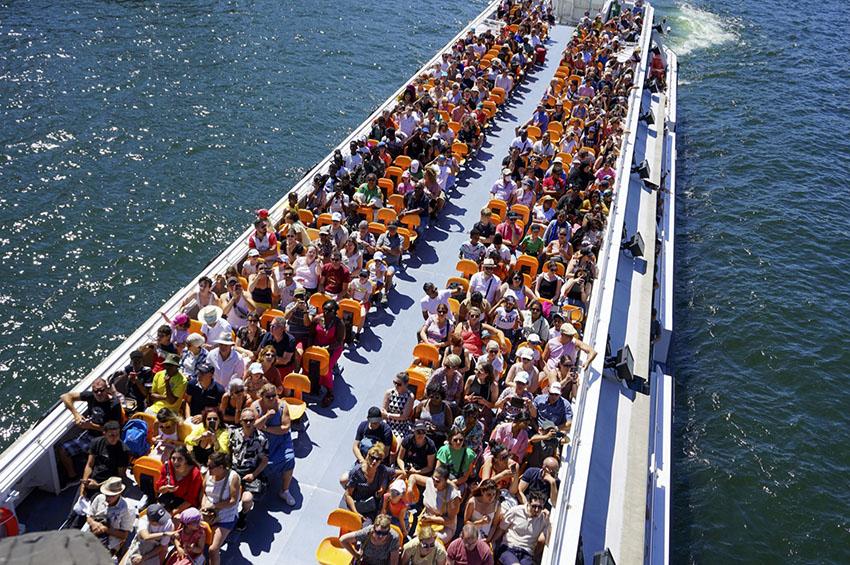
Shared charters — open boats where individual spots are sold — are priced for access. The $90 per person entry point for a half-day shared fishing charter exists to make fishing accessible to people who can’t afford to charter privately. The experience is a lottery: the captain is good at some things that matter and maybe not others, the other passengers may or may not be compatible with your group, and the trip goes where the schedule takes it, not where the fish are that morning.
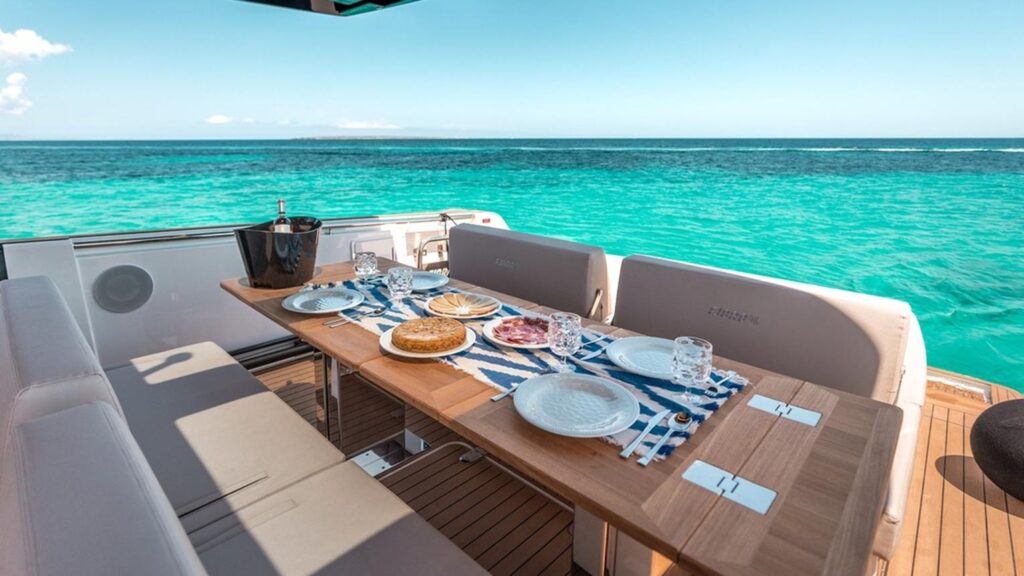
Private charters are priced for control. The $600-900 half-day rate for a private group of four to six pays for a captain who is working exclusively for you, with no competing priorities, free to take the trip in the direction that serves your group best. This is a different product than the shared charter at a lower price point — not an upgraded version of it.
As we covered in The Hidden Costs of Renting a Yacht That Nobody Puts in the Brochure, the headline price on any charter listing is rarely the whole number. Fuel, gratuity, provisioning, and the security deposit can add 30-50% to the cost before the boat leaves the dock.
The Variable Nobody Talks About
There is one pricing variable in the charter market that has historically been invisible to consumers: platform commission.
When you book a fishing charter through GetMyBoat, the operator receives 88-92 cents of every dollar you pay — the rest goes to the platform. When you book through Boatsetter, the operator receives 65-75 cents. The operator knows this and sets their listed price accordingly, building the platform’s margin into what you see.
When you book through a platform that charges operators zero commission, the listed price is the price the operator actually wants to charge. Not inflated to cover a platform’s cut. Not padded with a service fee on the consumer side. Just the number.
The implication is straightforward: transparent pricing and zero commission to operators doesn’t just help operators. It produces lower prices and more honest listings for travelers who finally have a way to compare what things actually cost.
FAQ: Boat Charter Pricing USA
How much does a private boat charter cost in the USA?
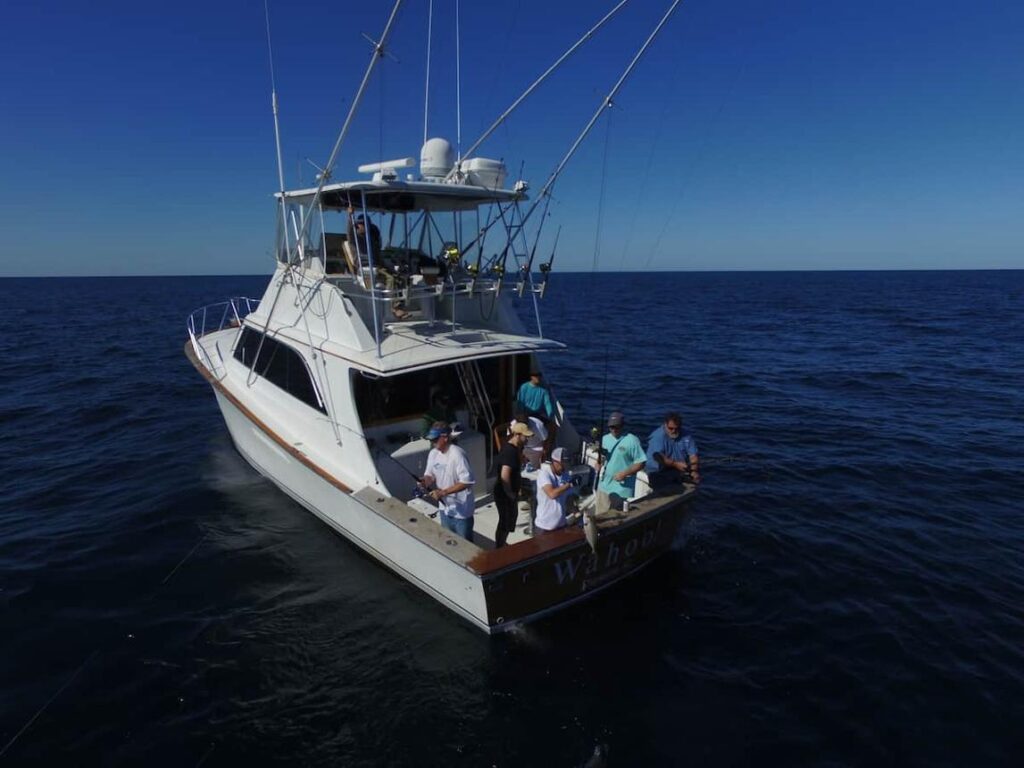
Private half-day boat charters for groups of four to six typically run $500-900 in most US coastal markets. Full-day private charters run $900-2,000 depending on vessel size, destination, and what’s included. Deep sea fishing and offshore charters toward the higher end of this range.
Why do boat charter prices vary so much for apparently similar trips?
Charter pricing reflects captain experience and local knowledge, vessel capacity and condition, what is included (fuel, provisioning, equipment), and the platform commission built into listed rates. Two listings at similar prices can represent dramatically different products.
What is included in a standard boat charter price?
This varies significantly by operator, which is exactly why asking before booking matters. Standard inclusions typically cover the vessel and captain’s time. Fuel, provisioning, safety equipment, and fishing gear are sometimes included and sometimes additional. Gratuity is almost always extra.
How can I tell if a boat charter price is fair?
Compare multiple listings for similar vessel types, durations, and passenger counts in the same destination. Prices dramatically below market typically indicate hidden costs or quality gaps. Book through platforms that charge operators zero commission for the most accurate baseline pricing.
Can I book a boat charter through Marina Boat App?
Yes. Marina Boat App lists verified boat charter operators across US markets with transparent pricing — zero commission charged to operators means listed prices reflect what operators actually charge. Free to download.