The Hidden Costs of Renting a Yacht That Nobody Puts in the Brochure

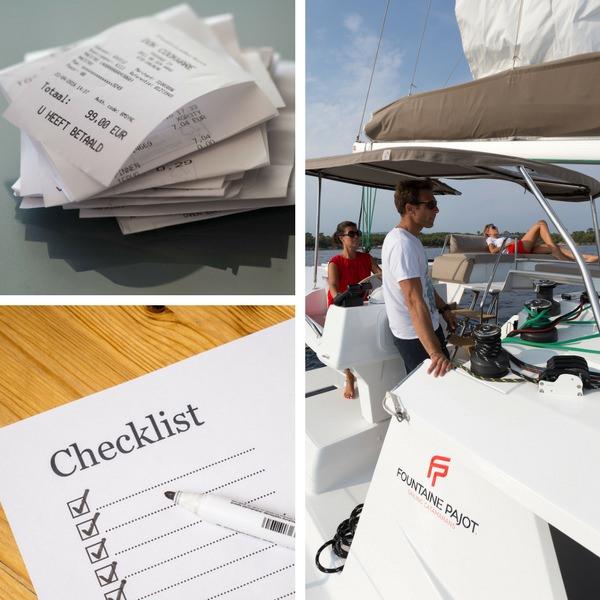
The number on the charter brochure is not the number you will pay. This is not a scam. It is not fine print designed to deceive you. It is simply how yacht charter pricing has always worked — and nobody explains it clearly before you sign.
The base rate is the starting point. By the time you are untying from the dock on departure day, the real cost of your charter week is typically 40 to 60 percent higher than the number that made you click “enquire now.”
Here is exactly what you are actually paying for.
The Base Rate: What It Includes and What It Doesn’t
The weekly base rate covers the boat. That is largely it. The vessel, its equipment, and in the case of a crewed charter, the captain’s fee is sometimes included — sometimes not, depending on the operator.
What the base rate does not cover, in most standard charter contracts across the Mediterranean, Caribbean, and Southeast Asia:
Mandatory end-of-trip cleaning fee — typically €150–€400 depending on vessel size. Security deposit — €1,500 to €5,000 held on your credit card for the duration of the trip, released after inspection. Check-in and check-out administration fees. Outboard dinghy fuel if applicable. Bed linen and towel rental on some vessels.
These are fixed costs you will pay regardless of where you go or what you do. Budget them before you compare operators.
Marina Fees: The Cost That Varies Most
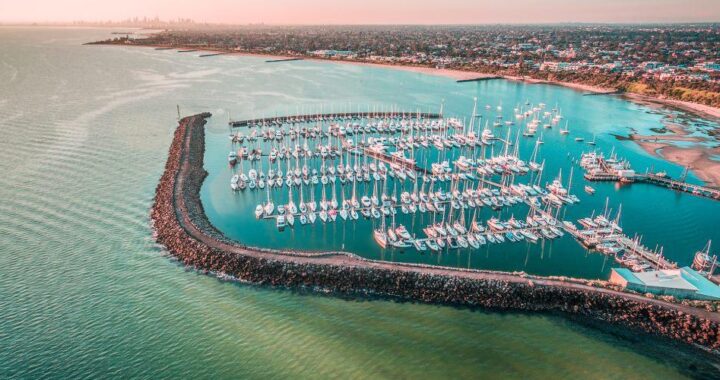
Marina fees are the single most variable cost in a charter budget and the one most likely to produce genuine surprise.
In Croatia, peak season marina fees for a 40-foot yacht run €80–€180 per night in standard marinas and €200+ in premium ACI network facilities in popular locations like Hvar Town or Korčula. In Greece, comparable figures apply across the Cyclades and Ionian islands. In the Balearics, Ibiza marina fees for larger vessels can exceed €400 per night in July and August.
A week of marina docking — seven nights — can add €800 to €2,500 to your charter cost depending entirely on where you choose to stop.
The alternative is anchoring. Most Mediterranean anchorages are free. Experienced charterers build itineraries that mix marina stops — for provisioning, restaurants, and shore access — with anchoring nights. This is not roughing it. It is how serious sailors travel and it dramatically reduces total cost while often producing the better experience.
Platforms like Marina Smart are beginning to make marina fee transparency easier — with real-time berth pricing and availability integrated into the booking process, so you can plan costs before departure rather than discovering them at the dock.
Fuel: The Cost That Depends on You
Fuel is entirely dependent on how you sail. A predominantly sailing trip in good wind conditions on a 40-foot monohull might consume €200–€400 in fuel for the week — primarily motoring in and out of marinas and during calms. A predominantly motoring trip on a catamaran covering significant distance could reach €800–€1,200.
Charter contracts specify fuel policy: almost universally “full to full” — you receive the boat with a full tank and return it full. The cost of refilling is yours.
Check current marina fuel prices in your destination before you go. In Croatia, INA marina fuel prices are published. In Greece, prices vary significantly between islands. Budget conservatively — fuel is the cost most charterers underestimate.
The APA on Crewed Charters: The Big One
If you are booking a crewed yacht — with captain and crew included — you will encounter the APA: Advance Provisioning Allowance.
The APA is a cash fund, typically 25–35% of the base charter fee, provided upfront to cover running costs during the trip: fuel, marina fees, food, drink, and other expenses. On a €10,000 per week crewed charter, the APA is an additional €2,500–€3,500 on top.
The APA is not profit for the charter company. All receipts are itemised and unused APA is returned at the end of the trip. But it means the real upfront cost of a crewed charter is substantially higher than the quoted base rate.
What the Total Actually Looks Like
A realistic budget for a week’s bareboat charter in Croatia in peak season, 40-foot yacht, group of six:
Base rate: €3,500. Cleaning fee: €250. Security deposit hold: €2,000 (returned). Marina fees, 4 marina nights: €600. Fuel: €350. Provisioning (food and drink for 7 days, 6 people): €800. One or two restaurant dinners ashore: €300.
Total actual spend: approximately €5,800 — against a quoted base rate of €3,500.
This is not extraordinary. It is typical. The gap between quoted and actual is consistent across operators, destinations, and vessel sizes.
Knowing this in advance does not make the charter less worthwhile. It makes the planning honest — and the experience, as a result, genuinely enjoyable rather than financially stressful.
FAQ: Yacht Charter Hidden Costs
What is typically not included in a yacht charter base rate?
Standard exclusions include: end-of-trip cleaning fee, security deposit, marina fees, fuel, provisioning, bed linen rental (on some vessels), and outboard dinghy fuel. On crewed charters, food, drink, and running costs are covered by a separate APA fund.
How much are marina fees in Croatia?
Peak season marina fees in Croatia for a 40-foot yacht range from €80 to €180 per night in standard facilities to €200+ in premium ACI network marinas in popular locations. Prices vary significantly by location and season.
What is an APA in yacht charter?
APA stands for Advance Provisioning Allowance — a cash fund provided by the charterer at the start of a crewed charter to cover running costs including fuel, marina fees, food, and drink. Typically 25–35% of the base charter fee. Unused APA is returned with full receipts at trip end.
How much does fuel cost on a charter?
Fuel costs vary significantly depending on sailing versus motoring ratio and vessel type. A predominantly sailing week on a monohull might cost €200–€400 in fuel. A motoring-heavy week on a larger catamaran can reach €1,000+. Budget conservatively.
Is the security deposit refunded after charter?
Yes — the security deposit is a hold on your credit card, not a charge. It is released after the vessel is inspected at check-out and no damage is identified. The hold period varies by operator but is typically released within 7–14 days.
How can I reduce the total cost of a yacht charter?
The most effective cost reduction strategies: anchor rather than marina-dock where possible (saves €80–€200 per night), provision at supermarkets rather than marina chandleries, book shoulder season (May, June, September) rather than peak July–August, and choose a monohull over a catamaran for similar capacity at lower base rate.
Are there platforms that show total charter costs transparently?
Transparent all-in pricing remains relatively rare in the charter industry. Integrated platforms that display marina fees, estimated fuel costs, and mandatory add-ons alongside the base rate represent the direction the industry is moving, but full price transparency at booking stage is not yet standard practice.
What is the difference between bareboat and crewed charter costs?
Bareboat charters require you to sail the vessel yourself (with appropriate licence) and cover all running costs. Crewed charters include captain and crew in the base rate but add an APA of 25–35% for running costs. Crewed charters are typically 2–4x the cost of equivalent bareboat charters.