The Town That Taught Itself to Surf — And Then Couldn’t Figure Out How to Sell It

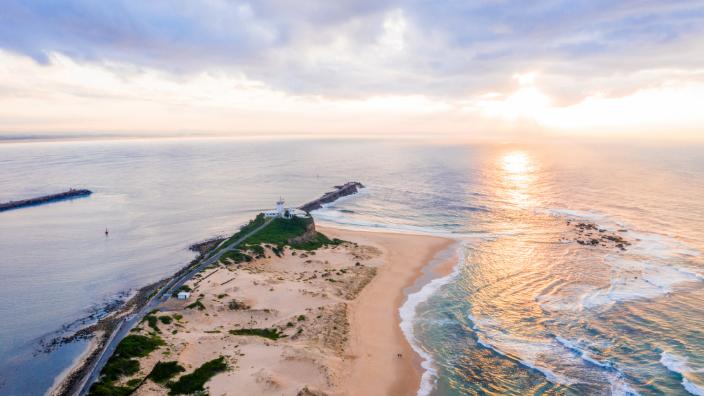
Ponce Inlet, Florida sits at the south end of Daytona Beach — separated from its famous northern neighbor by a few miles of barrier island and about thirty years of cultural evolution. Daytona got the spring breakers and the NASCAR crowds. Ponce Inlet got the lighthouse, the manatees, and what regulars describe as some of the most consistent surf breaks on Florida’s East Coast.
It also got something less discussed: a small, fiercely local community of surf instructors, kayak guides, fishing captains, and dive operators who have been quietly building water-based businesses for two decades, largely invisible to anyone who didn’t already know to look for them.
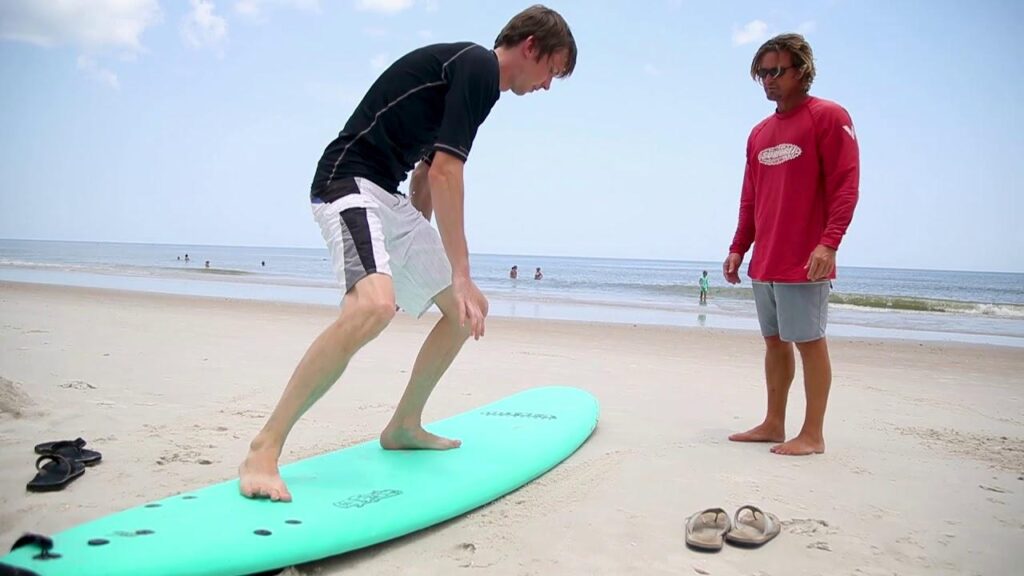
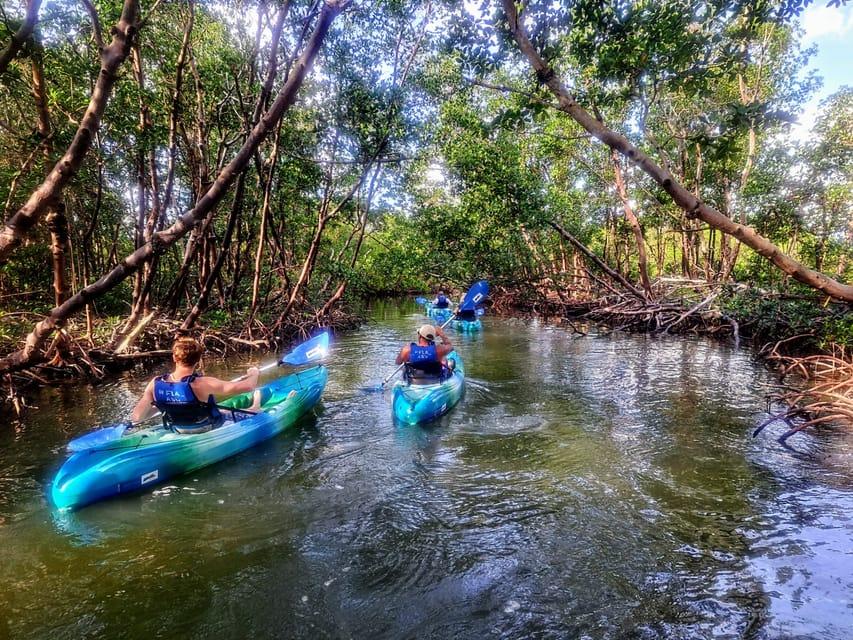
The surf instructor who has taught three generations of Daytona families doesn’t advertise. The kayak guide who does early-morning wildlife tours through the estuaries behind Ponce Inlet has a waitlist of regulars and a total online presence consisting of a Facebook page and a phone number. The fishing captain who has been running inshore trips since the 1990s is booked entirely by word of mouth, turning away business he doesn’t know he’s turning away.
The Economic Structure of Water Tourism
This pattern — extraordinary local expertise, near-zero discoverability — is not unique to Ponce Inlet. It describes the water tourism economy in hundreds of US coastal communities: Apalachicola, Florida; Beaufort, North Carolina; Rockport, Texas; Astoria, Oregon; Stonington, Maine.
In each of these places, the water activity that defines the town’s character — the fishing, the kayaking, the surfing, the diving — has been built and maintained by small independent operators who attract customers through reputation rather than marketing. The system works at a certain scale. It breaks down when the operator reaches the outer boundary of their word-of-mouth network and can’t grow further.
The economic consequence is specific: the water economy of coastal towns is consistently underdeveloped relative to the quality of the underlying asset. A town with genuinely world-class fishing — the kind where guides with twenty years of local knowledge put clients on fish that guided visitors at more-marketed destinations dream about — generates a fraction of the tourism revenue that its fishing quality would support, because the distribution system for that fishing experience hasn’t been built.
This is a market failure of a particular kind. Not insufficient supply. Not insufficient demand. Insufficient infrastructure connecting the two.
According to NOAA’s Office of Coastal Management, coastal recreation and tourism generates over $283 billion in GDP and supports more than two million jobs. The concentration of that economic activity in well-marketed, easily bookable destinations rather than in the places with the best underlying experience is not because travelers prefer the well-marketed destinations. It’s because they can find them.
What Changes When Discoverability Changes
Ponce Inlet doesn’t need to become Daytona Beach. The surf instructor who has taught three generations of local families doesn’t need to become a social media influencer. What changes when a town’s water operators become discoverable is not the character of the operators — it’s the radius of the market they can reach.
The difference between a surf instructor with thirty regulars and a surf instructor with sixty clients is not a lifestyle change. It’s a doubling of income from the same skill set, the same knowledge, the same stretch of water. The infrastructure — a listing, a few genuine reviews, a platform that surfaces the listing to the person searching “surf lessons Ponce Inlet” at eleven o’clock on a Thursday night from a hotel in Orlando — is what creates the difference.
The broader economic argument is about what happens to coastal communities when their most authentic assets become economically viable. The fishing guide who can sustain a business on guided trips doesn’t have to take a second job. The surf instructor who can fill lessons doesn’t have to move to a larger city. The kayak operator whose tours are findable and bookable can hire a second guide and run more trips.
Water tourism, done right, circulates money through the people who created the reason to be there in the first place. Done wrong — or rather, left undone — it either doesn’t happen at all, or it happens through the large commercial operators who have the marketing budget to be found, at the expense of the independents who have the knowledge worth paying for.
The Infrastructure That’s Finally Arriving
The booking layer that would make the Ponce Inlet surf instructor findable to the Orlando hotel guest is, slowly, getting built. Platforms designed specifically for water activity discovery — rather than adapted from hotel booking software that treats a kayak tour like a room night — are beginning to surface the independent operators that the market has been hiding.
The shift is not complete. The majority of America’s best independent water activity operators remain invisible to the majority of travelers who would book them. But the gap is narrowing in a way it hasn’t before — and the communities where it closes first will see economic effects that compound in interesting ways.
The town that taught itself to surf is figuring out how to sell it. Better late than never.
FAQ: Water Sports Tourism and Coastal Economic Development
Why are the best water sports operators often impossible to find online?
Independent water sports operators — surf instructors, kayak guides, fishing captains — built their businesses through local reputation systems before digital discovery existed and never rebuilt those systems in digital form. Large commercial operators with marketing budgets consistently outrank better independent operators in search results.
What is the economic impact of water tourism on coastal communities?
NOAA’s Office of Coastal Management documents that coastal recreation and tourism generates over $283 billion annually in US GDP and supports more than two million jobs. The distribution of this activity is heavily skewed toward easily bookable, well-marketed destinations regardless of the quality of the underlying water experience.
How can a small water sports operator in a coastal town get more customers?
Establishing a verified digital listing on a dedicated water activity platform — with accurate pricing, real photos, and a mechanism for collecting genuine reviews — provides discoverability to travelers actively searching for specific activities in specific destinations, regardless of the operator’s marketing budget.
Can I list a surf lesson or kayak tour business on Marina Boat App?
Yes. Marina Boat App lists all water activity categories including surf instruction, kayak tours, paddleboard lessons, and guided nature experiences. Zero commission, free to list. Available on the Apple App Store.
What coastal US towns have underrated water sports?
Ponce Inlet (Florida), Beaufort (North Carolina), Rockport (Texas), Astoria (Oregon), and Stonington (Maine) are examples of towns with exceptional water activity ecosystems that remain largely undiscovered because their operators lack digital visibility.