The Last Uncrowded Places in America Are All on Water. Here’s How Long That’s Going to Last.

In the summer of 1987, a writer named William Least Heat-Moon published a book called Blue Highways — a record of driving the back roads of America, the routes marked in blue on old road atlases, the places that existed in the margins of the main story. His central argument was that the most interesting America was the America you couldn’t find from the interstate.
The same argument applies to water in 2026. The most interesting water experiences in America are almost all located off the main channel — in places that don’t appear in the first three results of a Google search, that require either insider knowledge or determined research to find, that are, by any reasonable measure, superior to the famous alternatives.
They are also, most of them, on a clock.
The Discovery Paradox
There is a specific economic mechanism that governs what happens to good places when they get found. Economists call it the tragedy of the commons. Travelers call it “it used to be so much better before everyone found out about it.” What it actually is: the quality that made a place worth discovering is often precisely the quality that discovery destroys.
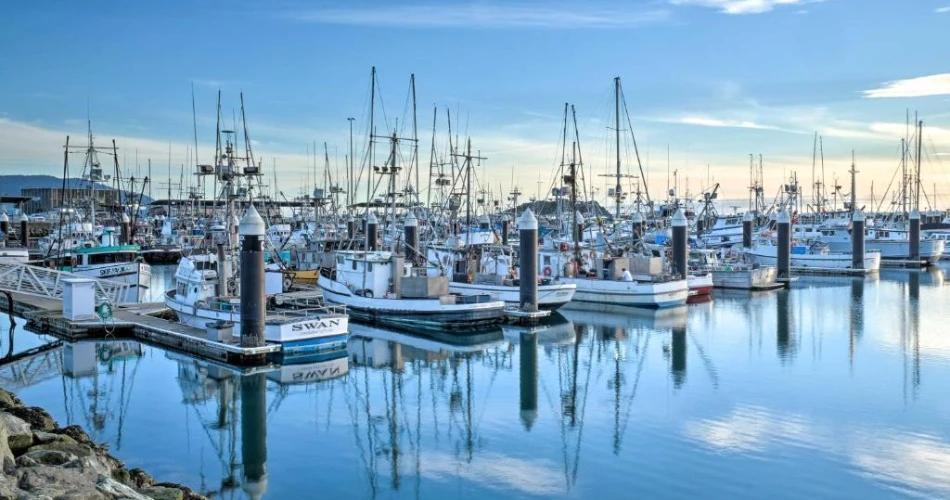
Crescent City, California sits at the far northern end of the state’s coastline, below the Oregon border, about an hour south of some of the least-traveled wilderness in the continental United States. The ocean fishing off Crescent City — particularly for Dungeness crab and Chinook salmon in season — is among the best accessible from any California port, according to NOAA Fisheries. The harbor has been there since 1933. The fishing guides who work it have decades of experience on water that doesn’t receive a fraction of the pressure that central California fishing grounds absorb.
Crescent City is nine hours from Los Angeles by car. This has kept it uncrowded and kept its fishing exceptional. It has also kept its charter operators invisible to the 13 million people in the LA metro who might, on any given weekend, have wanted to go fishing.
The paradox: the same inaccessibility that preserved the quality made it undiscoverable. And the infrastructure that makes it discoverable — good roads, booking platforms, improved search — will eventually bring the pressure that changes what made it worth discovering.
Where the Clock Is Running
The uncrowded water experiences in America that are most worth knowing about in 2026 share a specific profile: genuinely excellent, recently become more accessible, and not yet discovered at a scale that degrades the experience.
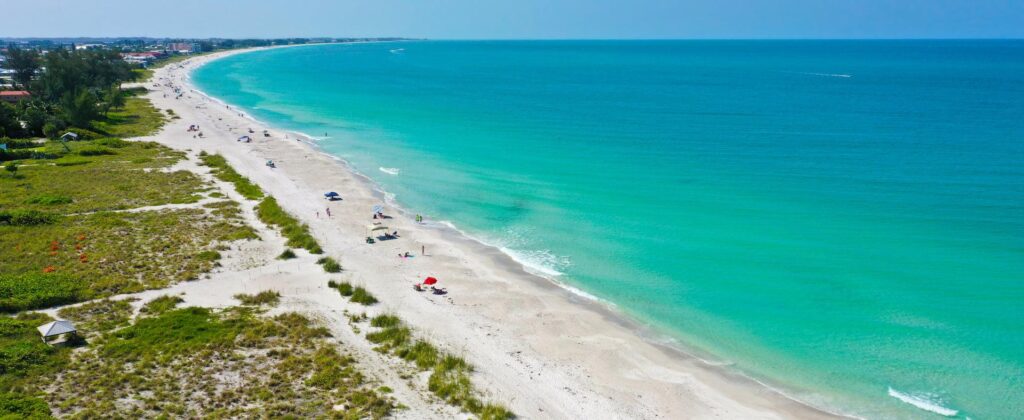
The Florida Panhandle outside Destin and Panama City — specifically the stretch of coastline from Port St. Joe west through Mexico Beach, much of it rebuilt after Hurricane Michael and still receiving a fraction of the visitor traffic of its more famous neighbors. The water clarity rivals the most-photographed sections of the Panhandle. The fishing guides who work the inshore bays have local knowledge built on decades of pressure-free fishing.
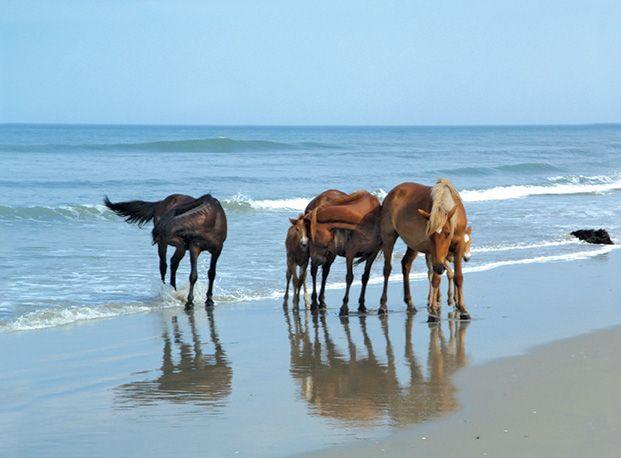
The Outer Banks north of Nags Head — Corolla and Carova, accessible from the south only by four-wheel drive on the beach, remain among the least-visited Atlantic coastal environments within four hours of the Washington DC metro. The wild horse herd that has lived on this barrier island since the colonial era is one of the more unexpectedly extraordinary things accessible by boat from the south end of the Outer Banks.
Puget Sound south of Seattle — the waters around Olympia and the southern sound, while within the Seattle metro’s extended reach, receive dramatically less recreational pressure than the San Juan Islands. The crabbing, fishing, and kayaking accessible from Olympia’s waterfront involves a quality of quiet that the more famous northern destinations have largely lost on summer weekends.
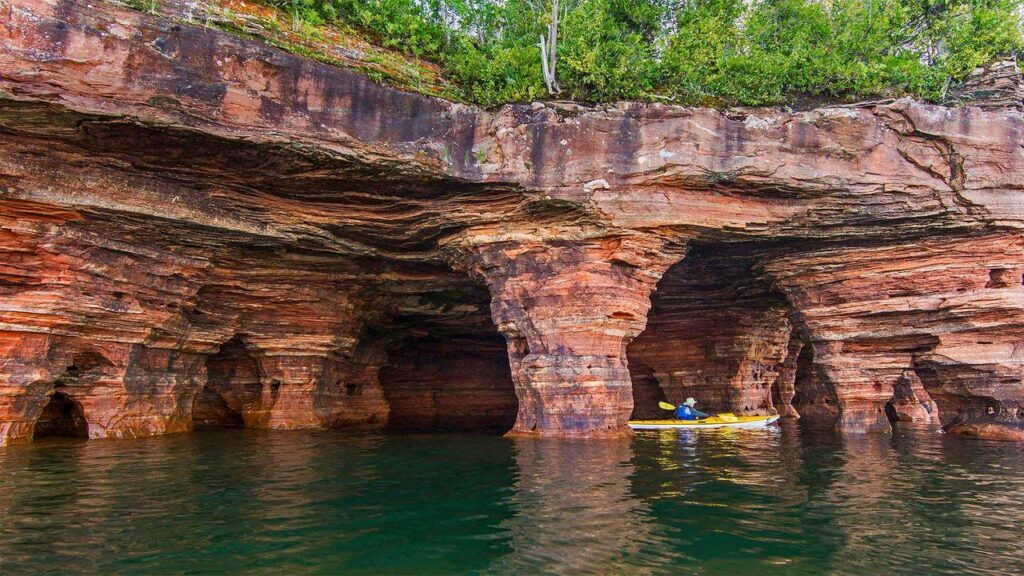
The Apostle Islands, Lake Superior — twenty-one islands off the northern Wisconsin shoreline, accessible by charter boat from Bayfield, containing sea caves carved into red sandstone that are among the most visually dramatic landscapes accessible by small boat anywhere in the continental United States. The National Park Service manages the archipelago; the charter boats that access the caves operate from a harbor that most Americans have never heard of.
The Alabama Gulf Coast — Gulf Shores and Orange Beach receive meaningful tourist traffic, but the fishing grounds offshore remain substantially less pressured than comparable Florida locations, and the independent charter captain community that works them reflects the pricing reality of an undiscovered market.
What “Undiscovered” Actually Means in 2026
It is worth being precise about what undiscovered means in the context of water destinations, because the word is doing a lot of work.
It does not mean unknown to locals. The fishing guides who work the Outer Banks north of Nags Head have been doing it for generations. The operators who run Apostle Islands sea cave tours have refined their craft over years. The Alabama Gulf charter captains know every structure and current in their fishing grounds.
What it means is undiscovered by the booking infrastructure. Not yet on the platforms that aggregate and surface experiences to travelers searching on their phones from a hotel three states away. Not yet generating the review volume that makes a destination feel legible to someone planning a trip they’ve never taken before.
The window between “excellent but invisible” and “discovered and crowded” is different for every destination and every category of experience. But the mechanism is consistent: once booking infrastructure arrives in an undiscovered destination, the discovery process accelerates, and the clock starts running.
The best time to book an Apostle Islands sea cave kayak tour is before everyone in Chicago realizes it exists. The best time to fish the Alabama Gulf with a captain who charges rates that don’t yet reflect how good the fishing actually is, is before those rates adjust to market.
The places are there. The operators are there. The clock is running.
FAQ: Finding Uncrowded Water Destinations in the USA
What are the most underrated water destinations in the United States?
The Florida Panhandle between Port St. Joe and Mexico Beach, the northern Outer Banks accessible by four-wheel drive, southern Puget Sound around Olympia, the Apostle Islands in Lake Superior, and the Alabama Gulf Coast offer exceptional water experiences with significantly lower tourist pressure than their more famous equivalents.
How do I find water activity operators in off-the-beaten-path coastal destinations?
Dedicated water activity booking platforms that aggregate independent operators — including those without major web presence — increasingly surface guides and charter captains in less-discovered destinations that standard search engines miss. Searching specifically by destination and activity type produces better results than broad geographic searches.
Why are undiscovered water destinations often better for fishing and kayaking?
Recreational pressure significantly affects water quality, wildlife density, and the behavior of fish populations in frequently visited areas. Less-visited destinations with experienced local guides often deliver better-quality experiences specifically because demand hasn’t yet reached levels that stress the underlying ecosystem.
What are the Apostle Islands and why are they worth visiting by boat?
The Apostle Islands are a 21-island National Park archipelago in Lake Superior off the northern Wisconsin coast, featuring sea caves carved into red sandstone accessible by charter boat from Bayfield. They are among the most visually dramatic boat-access landscapes in the continental United States and remain significantly less visited than their quality would suggest.
How can I book water activities in lesser-known US coastal destinations?
Marina Boat App is building a verified operator network that includes independent guides and charter captains in less-discovered US destinations alongside major markets. Free to download, with real pricing and direct booking.