Americas Are Done With Crowded Itineraries. The Water Is Where They’re Going Instead.

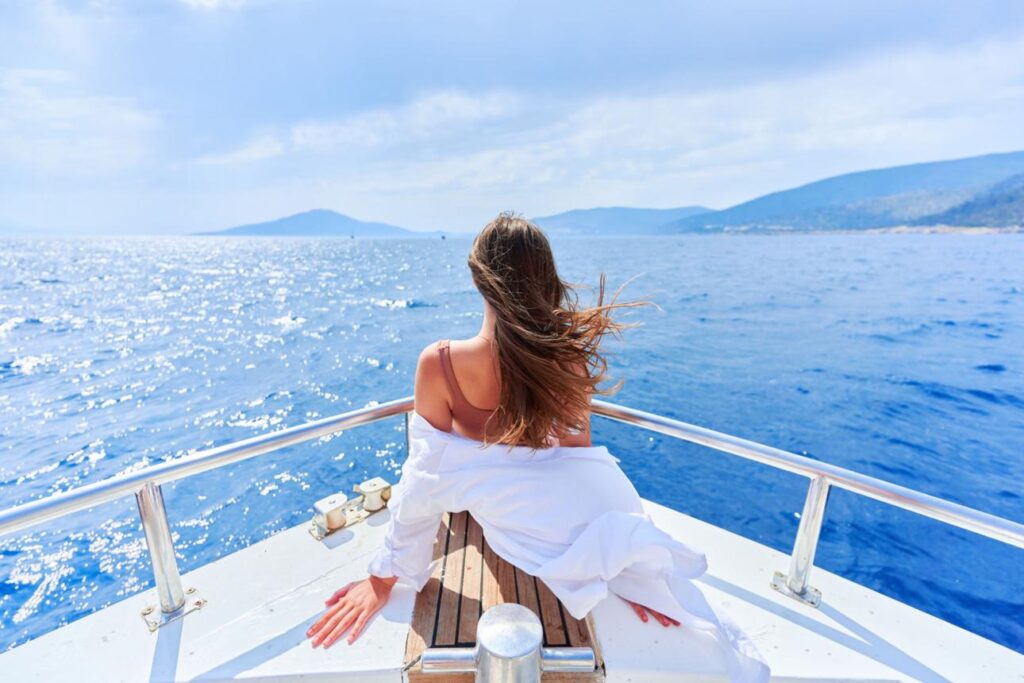
“Revenge travel” gave way to something more specific: a deliberate move away from packed, photo-driven itineraries toward slower, more private, sensory experiences. Water-based travel turns out to be exactly what that shift was looking for.
Desk: Perspectives · Est. read: 5 minThe travel industry spent 2022 and 2023 talking about “revenge travel” — the post-pandemic surge in bookings as people made up for years of canceled plans. What’s emerged since is more interesting and more durable: a genuine shift in what American travelers actually want from a trip, away from the maximalist, see-everything itinerary and toward something quieter, more private, and more sensory.
Travel + Leisure has tracked this explicitly in its annual travel trend reporting, identifying “quiet travel” and a preference for fewer, deeper experiences over crowded landmark-checking as one of the defining shifts among American leisure travelers over the past two years.
Why water-based experiences fit this shift precisely
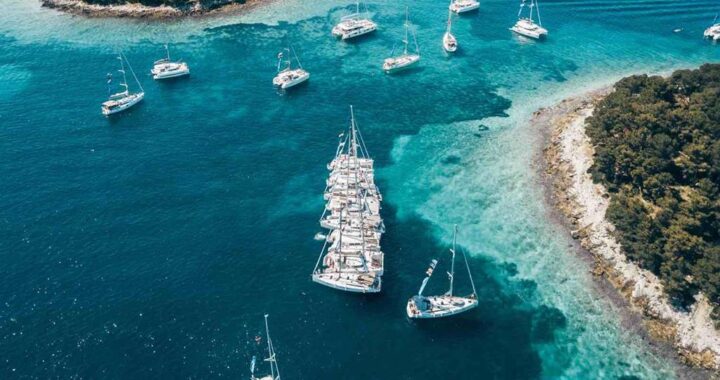
A day on a chartered boat is, almost by structural necessity, the opposite of a crowded landmark experience. There’s no line. There’s no crowd of other tourists in your photos. The itinerary bends to your actual interests rather than a bus schedule. Condé Nast Traveler has specifically named small-group and private water experiences among the categories benefiting most from this broader travel mood shift, citing built-in privacy and sensory engagement — wind, water, open horizon — as qualities increasingly scarce in mainstream tourism.
This isn’t really about boats specifically. It’s about what boats happen to offer structurally: a private, slower, less photographed, more genuinely experienced version of travel that the broader market has been moving toward since the pandemic recalibrated what people actually wanted from a vacation.
Nobody plans a vacation around a crowded landmark anymore if they can help it. A chartered boat is one of the few travel experiences that is private by default, not as an expensive upgrade.
The data behind the shift
Survey data referenced by Travel + Leisure has consistently shown rising American traveler interest in “experiential” categories — cooking classes, private guided experiences, small-boat excursions — outpacing growth in traditional sightseeing tour bookings. The pattern holds across age groups, though it skews particularly strong among travelers in their 30s and 40s who have explicitly cited “crowds” as a primary detractor from recent trips in post-vacation surveys.
This demand shift has happened faster than the supply side has adapted. Most American coastal destinations still market boat tourism through the same large commercial operators that have always dominated visibility — not because they’re better, but because they’ve always had the marketing budget to dominate search results and local advertising.
What’s actually changing on the supply side
The mismatch between traveler demand for private, small-scale water experiences and the visibility of operators who actually provide them is closing, primarily through direct booking platforms that don’t require a marketing budget to be discoverable. Marina Smart exists specifically to solve this discovery gap — connecting the travelers who want exactly the kind of quiet, private, water-based experience the broader travel industry has identified as the future of leisure travel, directly with the individual captains and boat owners who have always been able to provide it, but never had an efficient way to be found.
The shift in what American travelers want has already happened. The infrastructure to actually find it is what’s catching up.
Frequently Asked Questions
What is “quiet travel” and why is it growing among American tourists?
Quiet travel refers to a documented shift toward fewer, deeper, less crowded travel experiences over maximalist landmark-checking itineraries. Travel industry sources including Travel + Leisure have tracked rising American traveler preference for private, experiential activities over traditional group sightseeing tours.
Why are private boat charters part of the quiet travel trend?
A private charter is inherently uncrowded and flexible by design, offering the privacy and sensory engagement (open water, no other tourists, flexible pacing) that quiet travel specifically prioritizes, without requiring the premium cost typically associated with private experiences in other travel categories.
How has booking private water experiences changed in recent years?
Direct booking platforms have made individual captains and small boat operators discoverable to travelers without requiring large marketing budgets, closing a longstanding gap where commercial party boats dominated search visibility despite traveler preference shifting toward smaller, private experiences.