Australian Maritime Culture — Sailing Boating and Coastal Life Down Under

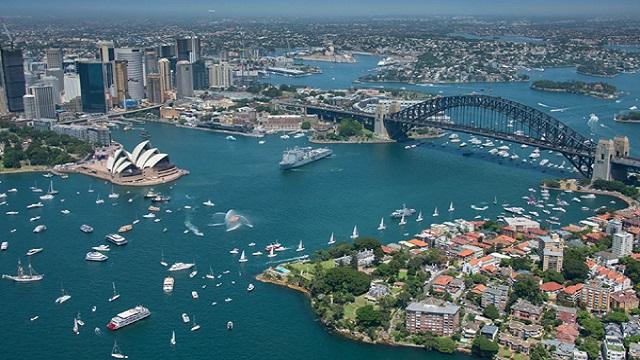
The first European settlement in Australia faced the sea for the simplest possible reason: that was how you arrived, and for the first decades, it was the only way to leave. The harbour at Sydney Cove was not chosen for its aesthetics, though the aesthetics were, even by the standards of a convict colony in 1788, spectacular. It was chosen because the water was deep enough for supply ships, sheltered enough from the open Pacific, and positioned to give the settlement access to the coast in both directions.
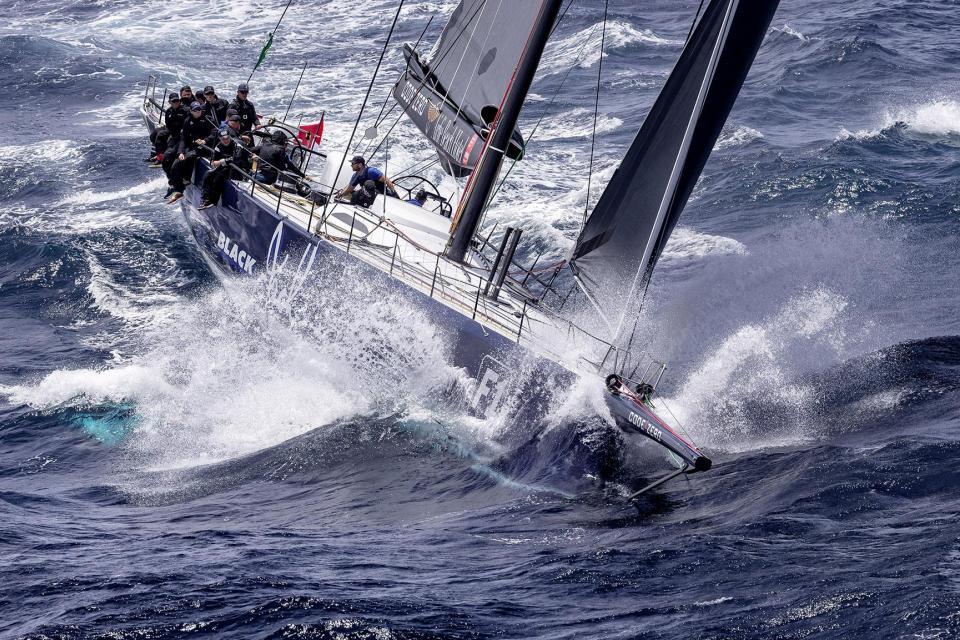
Two and a half centuries later, Sydney Harbour is the most densely sailed stretch of water in the southern hemisphere. The recreational vessel registry for New South Wales alone exceeds 200,000 boats. The Sydney to Hobart Yacht Race, run annually since 1945, is the most grueling offshore race in the southern hemisphere and the one whose attrition rates — the storms of Bass Strait have dismasted, sunk, and occasionally killed in the fleet — have done nothing to reduce its entry list. The Australians who sail offshore toward Hobart understand exactly what they are sailing into. They enter anyway.
This relationship with water — intimate, skilled, and occasionally fatal — is one of the more distinctive features of Australian culture, and one that visitors from landlocked backgrounds consistently underestimate.
What the Australian Coast Actually Is
Australia has approximately 60,000 kilometres of coastline encompassing conditions that span almost the entire range of what ocean sailing presents. The Tasman Sea, between the Australian mainland and New Zealand, produces in winter the kind of Southern Ocean conditions that make experienced offshore sailors plan carefully. The Coral Sea along the Queensland coast delivers trade wind sailing in conditions that Caribbean sailors would recognize but find more remote. The waters off Western Australia’s Kimberley coast — one of the most dramatically beautiful and least accessible coastlines on earth — produce tidal ranges of over 10 metres and a landscape that requires four-wheel drive or a boat to see properly.
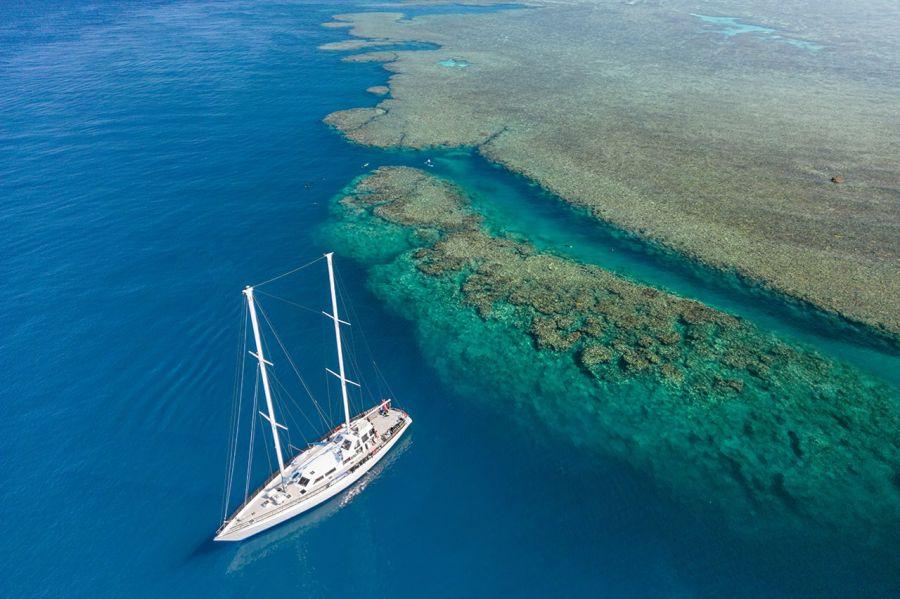
The Great Barrier Reef, stretching 2,300 kilometres down the Queensland coast, is the world’s largest living structure and one of the most complex marine environments on earth. As we explored in The Great Barrier Reef Has 2,900 Individual Reefs, the gap between what the reef contains and what the charter industry currently services is one of the more significant opportunity gaps in global nautical tourism.
The Whitsunday Islands, which we covered in The Whitsundays Have 74 Islands, sit in the middle of this reef system and produce — in their outer, less-visited sections — sailing conditions and marine environments that experienced Pacific sailors describe in terms that suggest the comparison they are reaching for and then abandoning as insufficient.
The Sydney to Hobart and What It Reveals
The Sydney to Hobart Yacht Race is a useful lens for understanding Australian sailing culture because it is not, in any meaningful sense, a sane undertaking. The 628-nautical-mile course runs from Sydney Harbour south to Bass Strait and then across to Hobart in Tasmania — a passage that, in the wrong weather, encounters some of the Southern Ocean’s full capability.
The 1998 race remains the defining event in Australian offshore racing history. A storm of exceptional intensity — wind speeds reaching 80 knots, waves of 20 metres — disabled 71 of 115 yachts. Five boats sank. Six sailors died. The rescue operation was the largest peacetime search and rescue in Australian history.
The following year, 94 boats started.
This is not stubbornness, exactly. It is something more specific to the Australian character — a relationship with risk that comes from living in a country where the environment has always been capable of killing you, and where the appropriate response to that fact is not avoidance but preparation. The Sydney to Hobart sailors who entered in 1999 did not believe the 1998 storm couldn’t happen again. They believed they could handle it better.
The Cruising Yacht Club of Australia, which organises the Sydney to Hobart, is one of the most technically sophisticated offshore sailing organisations in the world. Its safety requirements, developed in the aftermath of 1998, have been adopted by offshore racing bodies globally and represent the most rigorous standards in the sport.
The Quiet Domestic Sailing Life
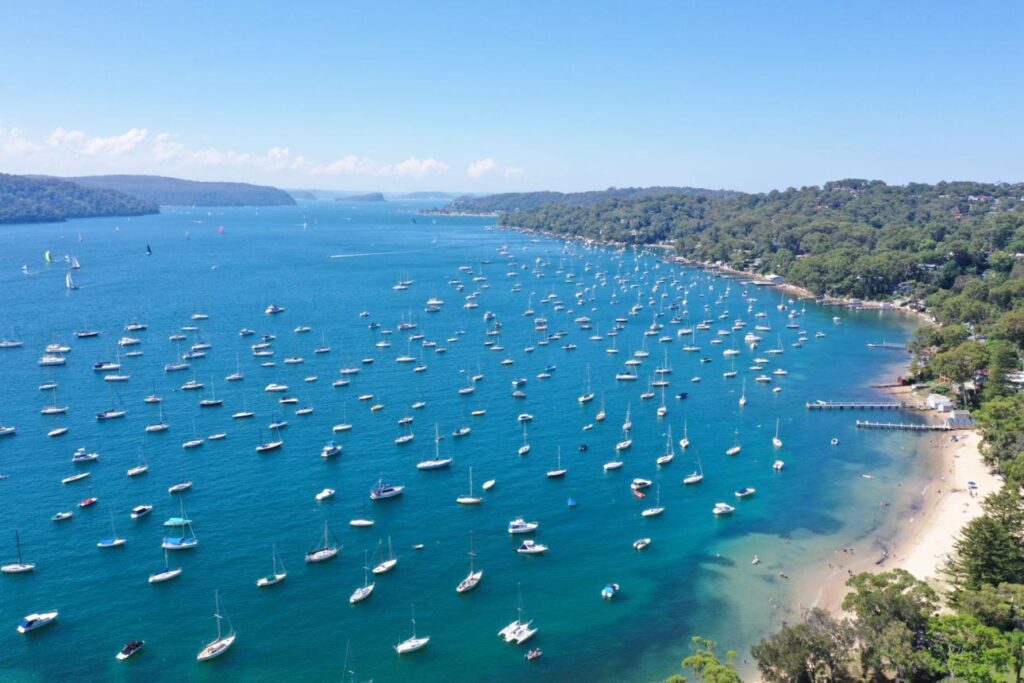
Beneath the offshore racing culture is a recreational sailing life that is larger, quieter, and more geographically distributed than the headline events suggest. The Pittwater and Broken Bay waterways north of Sydney, the Hawkesbury River, the sheltered waters of the Hauraki Gulf across the Tasman — these are the sailing grounds where the majority of Australian recreational sailors spend the majority of their time, in conditions that are genuinely pleasant rather than genuinely challenging.
Pittwater specifically — the sheltered tidal inlet accessible through Barrenjoey Headland at the northern end of the Northern Beaches — is one of the most beautiful recreational sailing environments in the southern hemisphere and one of the most under-discussed relative to its quality. The anchorages at Refuge Bay and Coasters Retreat, reachable by boat from Pittwater and inaccessible by road, constitute a version of New South Wales coastline that the road-based visitor never encounters.
The sailing culture here is unpretentious in the specific Australian way — boats are maintained because they need to be rather than to impress, racing is serious without being exclusionary, and the pub at Church Point where the sailing community congregates on Sunday afternoons maintains prices that suggest the patrons include working people who sail as well as wealthy people who race.
What This Means for the Water Economy
Australia’s recreational maritime culture is substantial, geographically distributed, and — for an industry generating over AUD 11 billion annually according to the Boating Industry Association Australia — surprisingly fragmented in its digital infrastructure.
The independent charter operator in the Whitsundays, the Sydney Harbour sailing instructor, the Pittwater day charter captain, the Great Barrier Reef dive guide operating from Port Douglas — these operators exist within a recreational maritime culture that is deep and genuine, and most of them remain significantly less visible online than their quality and the size of the domestic market would justify.
Marina Boat App is building the booking infrastructure that connects this supply to the demand — domestic and international — that is actively looking for it. The platform is new, it is free for operators, and it is actively seeking Australian charter operators, sailing instructors, and water experience providers to build the foundation of its Australian operator base. Contact support@marinasmart.app or the founder at bilicvuk1@gmail.com.
The Australians who turned toward the sea found something extraordinary. The infrastructure to share it with the people who are looking for it is the piece that’s being built now.
FAQ: Australian Maritime Culture and Coastal Sailing
What is Australia’s relationship with sailing and boating?
Australia has one of the world’s highest recreational boat ownership rates, with over 4.2 million registered vessels. The country’s maritime culture spans offshore racing (Sydney to Hobart), extensive coastal cruising, and a dense network of sailing clubs serving a population with high rates of participation in recreational water activities.
What is the Sydney to Hobart Yacht Race?
The Sydney to Hobart Yacht Race is an annual 628-nautical-mile offshore race from Sydney Harbour to Hobart, Tasmania, conducted since 1945. It is the most grueling offshore race in the southern hemisphere and one of the world’s most technically demanding sailing events, particularly for the Bass Strait crossing.
Where is the best sailing in Australia?
Sydney Harbour and Pittwater in New South Wales, the Whitsunday Islands in Queensland, the Great Barrier Reef coastal waters, and the sheltered waterways of the Southwest Australian coast are consistently recommended as Australia’s finest recreational sailing grounds.
How long is Australia’s coastline?
Australia has approximately 60,000 kilometres of coastline encompassing conditions from the tropical Coral Sea along Queensland to the Southern Ocean approaches in Tasmania and Western Australia.
How do Australian charter operators reach international visitors?
Building English-language listings on dedicated water activity booking platforms provides visibility to the American, British, European, and Asian visitors who plan Australian water experiences in advance. Contact support@marinasmart.app for operator partnership information.