Cornwall Boat Trip — Rent a Boat Cornwall and Devon Coast Guide

The English relationship with their coastline has historically been complicated by weather, by the Channel’s reputation, and by a national tendency to treat anything enjoyable as something that requires an apology. The coast path gets walked. The beaches get visited in wetsuits. The sea is acknowledged as dramatic from a suitable distance.
What’s changed in the past several years — and the change is visible in booking data, in marina occupancy rates, in the waiting lists at boat hire companies in Falmouth, Fowey, and Salcombe — is that the English have started actually getting on the water in meaningful numbers. Not sailing in the traditional sense, which has always had its devoted community. Getting on boats. Renting boats. Taking water taxis to pubs only reachable by river. Booking fishing charters off the Cornish coast. Doing the things that visitors to Dubrovnik or Santorini do automatically, but on a coastline that is, in many stretches, more geologically dramatic than either.
What Cornwall and Devon Look Like From the Water
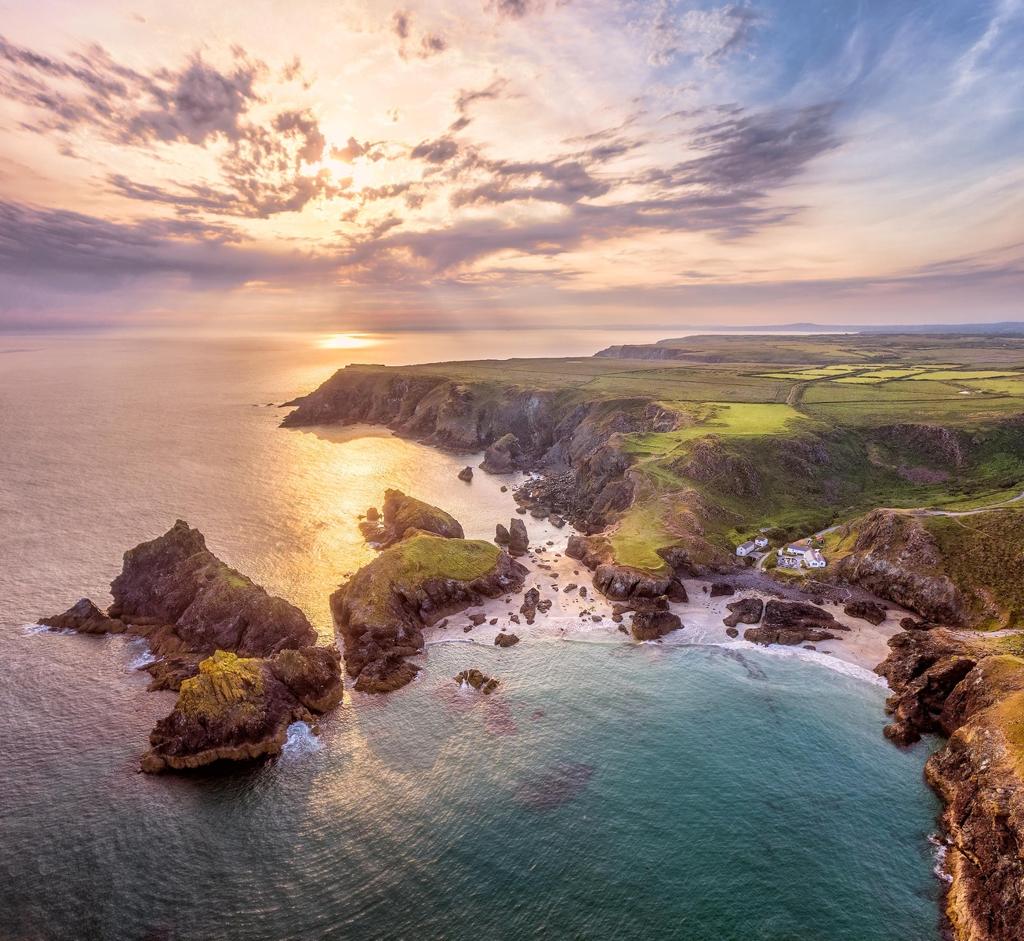
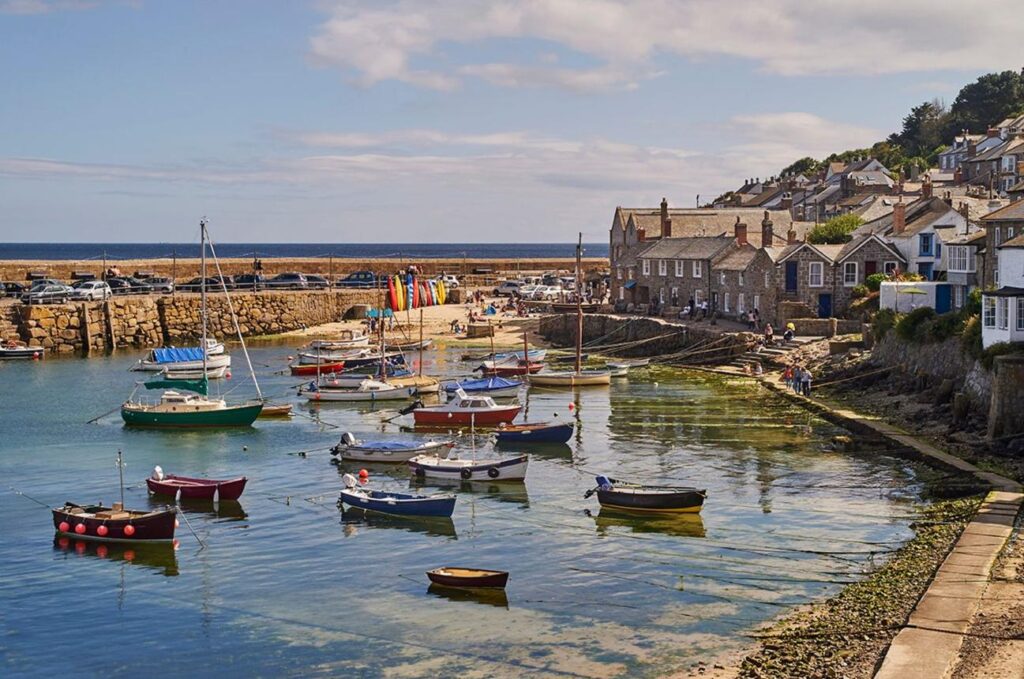
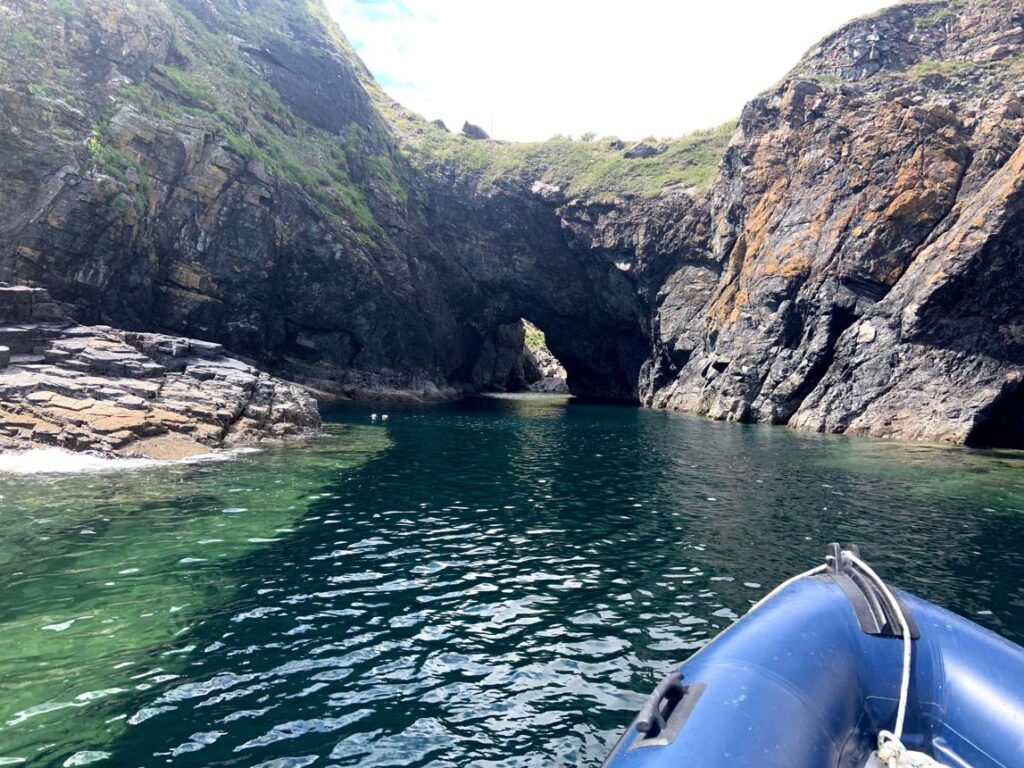
The coastal path from Falmouth around the Lizard Peninsula to Lands End is 300 kilometres of walking. By boat, the same geography takes a full day at a reasonable pace and reveals things the path doesn’t: the sea caves at Kynance Cove, the colour the water turns over granite in direct sunlight, the approach to the harbour towns — Fowey, Mevagissey, Mousehole — from the direction they were always meant to be seen from.
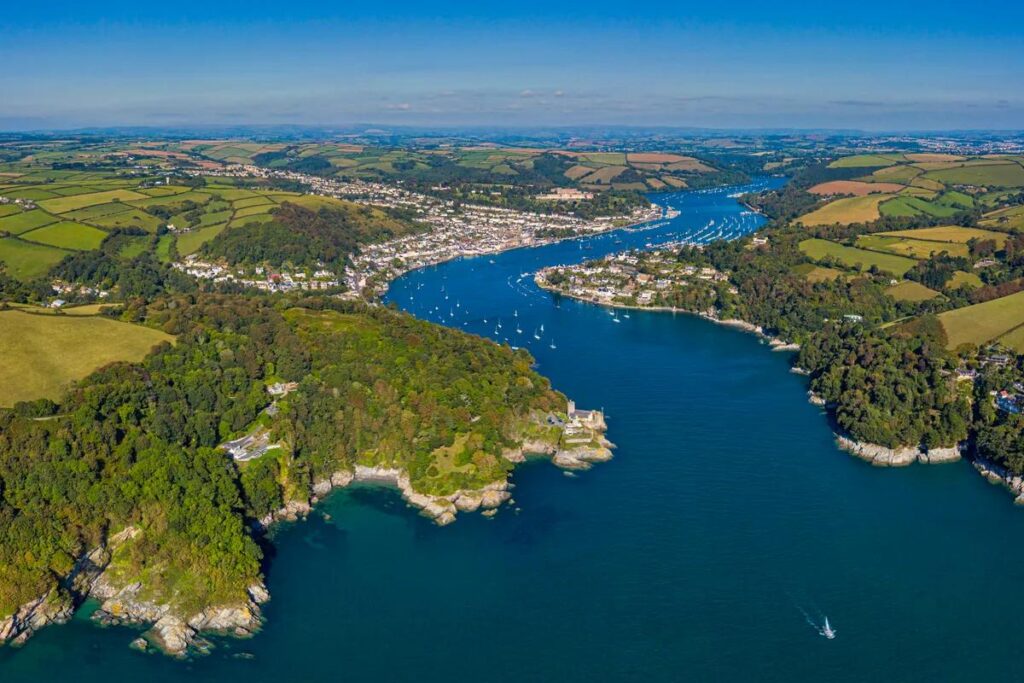
Devon’s estuary system is a different experience again. The Dart, the Kingsbridge, the Salcombe estuary — inland waterways that the tidal reach turns into navigable rivers for miles above the coast. A boat trip up the Dart from Dartmouth to Totnes passes through a valley that looks like it belongs in a Tolkien illustration and contains, at strategic points, pubs accessible only by water or a forty-minute walk across muddy fields. The water taxi culture on the Dart is genuine and established, with passenger ferry services connecting Dartmouth, Dittisham, and Totnes throughout summer.
The Boat Hire Market That’s Actually Growing
The boat hire and charter market in the UK southwest — Cornwall, Devon, and the edges of Dorset — has grown consistently over the past three years, driven by a combination of staycation demand that began post-pandemic and has proved stickier than most analysts predicted, and by a demographic of younger British travelers who have discovered through European travel what a day on the water actually feels like and have started applying the same expectation domestically.
According to British Marine, the UK’s recreational boating trade association, boat hire and boat charter participation has increased substantially, with the southwest of England showing the strongest growth figures in the country.
The gap in the market is not supply — there are boat hire companies in Falmouth, Fowey, Salcombe, and Dartmouth with fleets of varying quality. The gap is discoverability and booking friction. The person who wants to hire a boat for a day in Cornwall next Saturday is currently navigating a combination of local tourism websites, TripAdvisor listings of uncertain recency, and phone calls to operators who may or may not answer.
If you operate a boat hire, water taxi, fishing charter, or coastal tour service in Cornwall or Devon, the international and domestic visibility that comes with a listing on Marina Boat App is now accessible at zero cost. Register as a host, list your boats or services, set your pricing and availability. Your listing reaches travelers from the US, Germany, the Gulf region, and across the UK who are searching for boat hire and water activities in Cornwall and Devon. Marina Boat App charges operators nothing — no commission, no listing fee — which means you keep every pound your guests pay.
Why This Matters Beyond Tourism
There is something worth noting about what happens to a coastal community when its residents start using the water rather than just living next to it. The Dart valley towns — Dartmouth, Dittisham, Stoke Gabriel — have a relationship with the river that the staycation boom has made visible in a way it wasn’t before. The water taxi culture, the kayak rental, the fishing guide network — these are economic circuits that circulate within the community rather than extracting from it.
The English coast has always been extraordinary. It took longer than it should have to start treating it that way.
FAQ: Boat Hire, Charters and Water Taxis in Cornwall and Devon
What is the best estuary for a boat trip in Devon?
The Dart estuary between Dartmouth and Totnes is consistently recommended for its combination of navigability, scenery, and waterside pub access. The Salcombe estuary is arguably more beautiful but less navigable for larger vessels above Salcombe town.
Are there water taxi services in Cornwall and Devon?
Yes. The Dart estuary has established passenger ferry and water taxi services connecting Dartmouth, Dittisham, and Totnes throughout summer. Falmouth’s inner harbour has water taxi services connecting the town waterfront with Flushing and St Mawes. Several other Devon and Cornish harbours have informal water taxi arrangements through local boat operators.
How much does it cost to hire a boat in Cornwall for a day?
Self-drive boat hire in Cornwall typically runs £150-300 for a half day for a small motorboat. Full-day hire runs £250-500 depending on vessel size. Crewed fishing charters off the Cornish coast run £60-100 per person on shared boats, £350-600 for a private group.
Is the water warm enough to swim in Cornwall in summer?
Sea temperatures around Cornwall peak at 16-18°C in August — cold by Mediterranean standards but manageable for swimming, particularly with a wetsuit. Many boat hire operators provide wetsuits or recommend them for anyone planning to enter the water.
Can I see seals and wildlife on a Cornwall boat trip?
Yes. Grey seals are regularly sighted on boat trips around the Lizard Peninsula, St Ives Bay, and the Fal estuary. Basking sharks appear off the Cornish coast in summer and are a specific draw for wildlife watching boat trips operating from Newquay and Penzance.