Great Barrier Reef Dive Charter — Fishing and Snorkeling Operator Guide

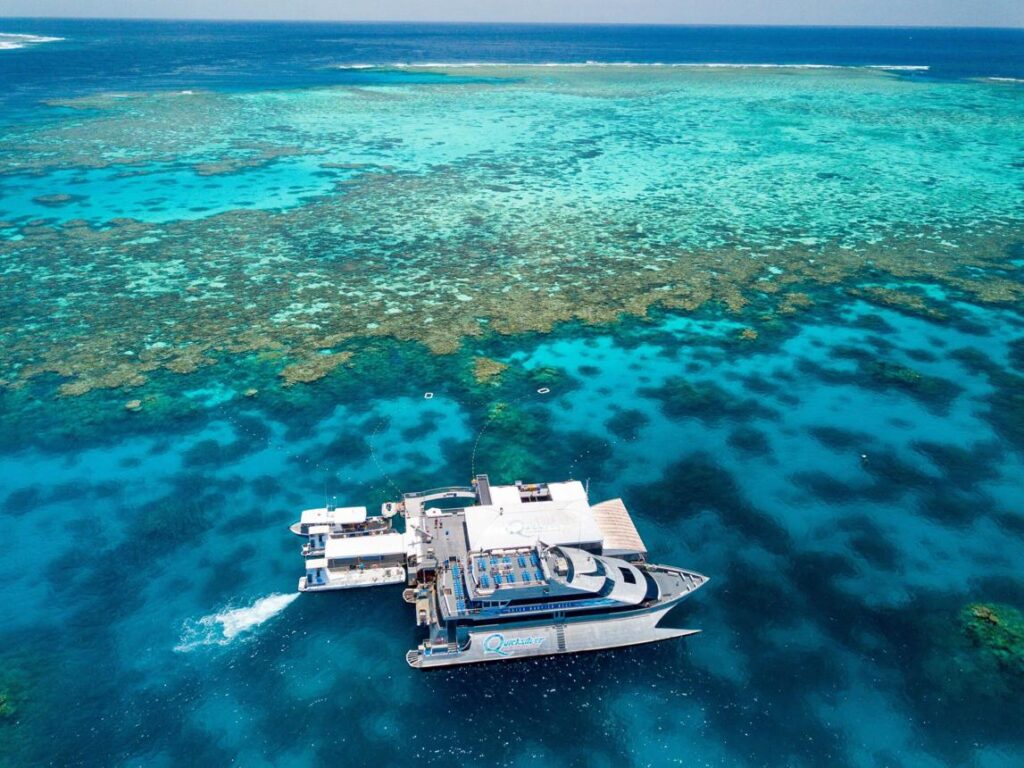
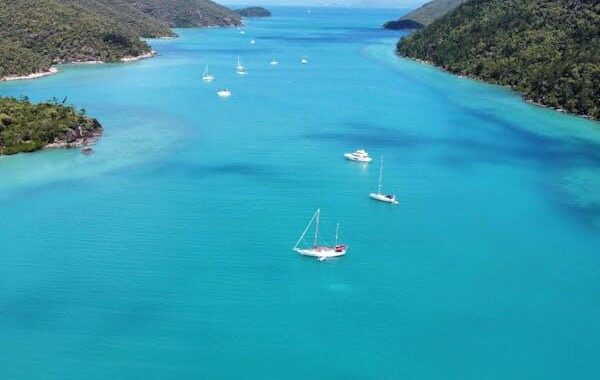
The Great Barrier Reef stretches 2,300 kilometres down the Queensland coast. It contains 2,900 individual reefs, 900 islands, and the largest coral system on earth — a living structure so large it is visible from space and has been described by marine biologists as the most complex ecosystem in the world outside tropical rainforests.
The commercial dive and snorkeling charter industry operating on it runs scheduled trips to approximately 40 sites from Cairns and Port Douglas.
This is not a criticism. Those 40 sites are exceptional. The Outer Barrier Reef sections accessible from Cairns — Agincourt Ribbon Reef, the Cod Hole at Ribbon Reef 10, the Coral Gardens at Michaelmas Cay — are among the finest diving available anywhere in the Pacific. The industry has built a sophisticated, safety-conscious operation serving hundreds of thousands of visitors annually.
What it has not done, by design, is serve the visitor who wants something other than the standard circuit. The research diver. The serious photographer. The fishing angler who wants to work the reef flats for coral trout and red emperor rather than following a dive flag with 30 other people. The family from Melbourne who wants four hours on the reef with a guide who will actually explain what they’re looking at rather than shepherding them between mooring buoys.
These visitors exist. They are increasingly the visitors with the most money to spend.
What Independent Reef Operators Actually Know
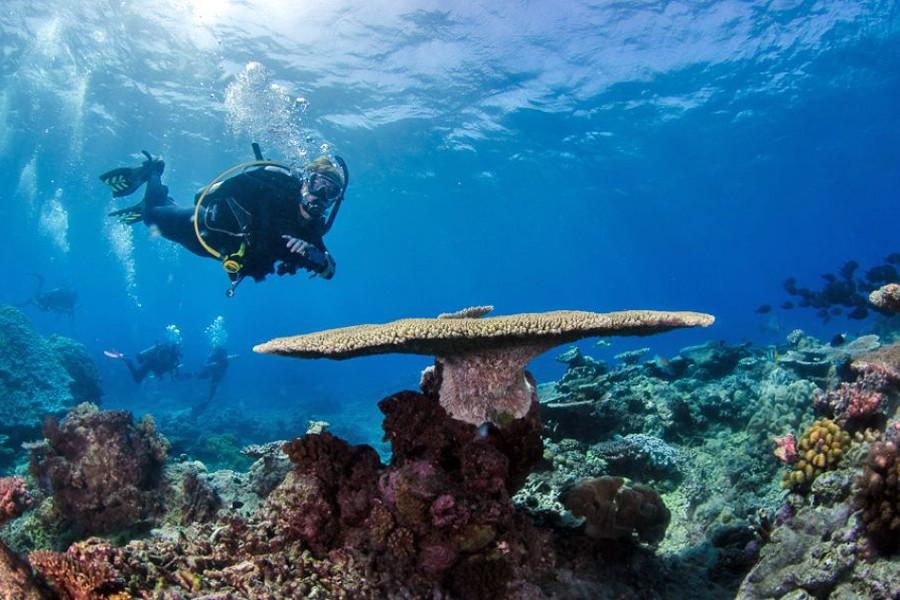
The charter captain who has been running private reef trips out of Cairns for fifteen years knows things that the large day-trip vessels cannot operationally accommodate. Which sections of the ribbon reefs have undamaged coral in the current season. Where the coral trout hold in the channel between Ribbon Reef 9 and 10. Which mooring sites have been recovering quietly since the last bleaching event and now produce visibility and marine density that the standard circuit sites, pressured by daily visitor traffic, no longer reliably deliver.
This knowledge is the product. The boat is the delivery mechanism. The disconnect — the reason this knowledge remains undermonetised — is that independent operators in Queensland have historically built their client base through repeat customers and the narrow word-of-mouth network that physical proximity allows.
The Cairns fisherman who runs private reef fishing charters three days a week has 40 regular clients. He could have 80. The constraint is not his knowledge or his boat — it is his visibility to the traveler who arrives in Cairns from Sydney or London or Los Angeles with a specific interest in reef fishing and no idea he exists.
What Platform Fees Have Cost Queensland Operators
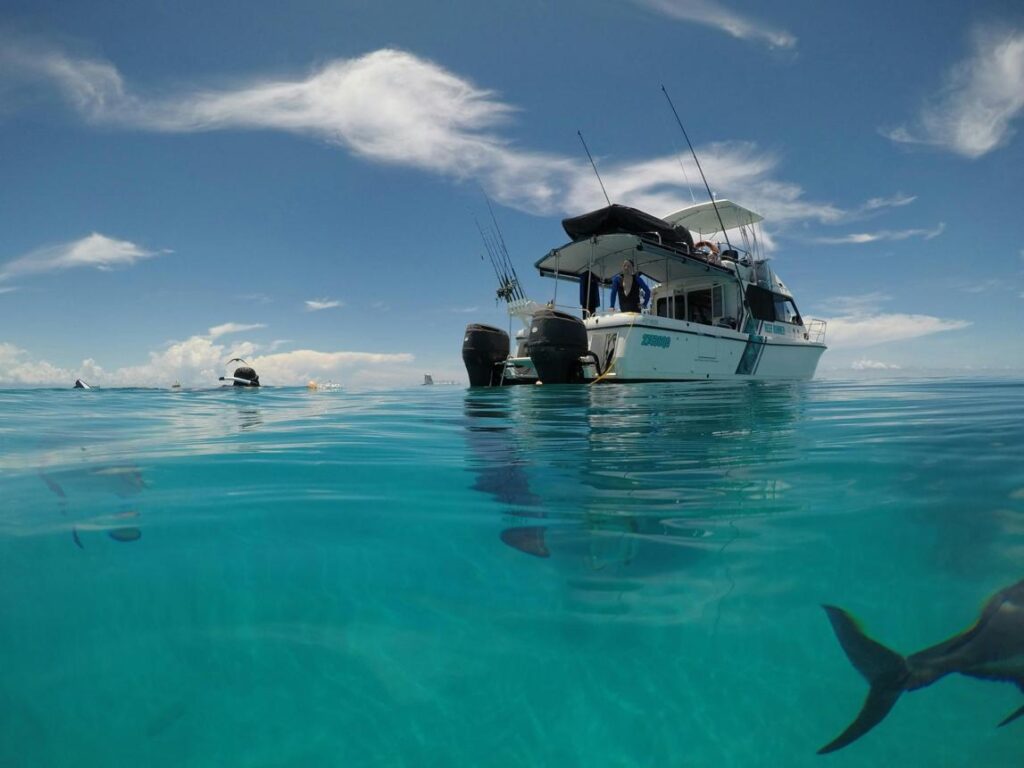
The booking infrastructure for Queensland’s marine tourism has been dominated by large aggregator platforms and tour desks operating on commission. An operator who lists through the established channels — the Cairns tour desks, the major booking platforms — typically receives 70-80 cents of every dollar a guest pays, after commissions and fees are extracted.
On a $300 reef fishing charter, this means the captain who spent fifteen years learning the reef receives $210-240. The platform that made a booking form and answered an email received $60-90.
GetMyBoat, the largest global boat booking platform, charges operators 8-12% and adds a service fee to the guest on top. Airbnb Experiences, which has moved aggressively into Queensland marine experiences, takes 20%. The established local aggregators charge similar rates.
Marina Boat App — free on the Apple App Store — charges Australian operators zero. Not zero for a trial period. Zero as the model.
The platform is new. We’re not going to dress that up with marketing language. It launched earlier this year, it’s building its operator base, and it doesn’t yet have the booking volume of the established platforms. What it has is a direct proposition: list your reef fishing charter, your dive tour, your private snorkeling trip, or your Great Barrier Reef day charter at zero cost and zero commission, and be visible to the international travelers — from the US, UK, Europe, and Asia — who are actively searching for exactly this kind of experience before they arrive in Cairns or Port Douglas.
The operators who build their listing and review history now are positioning ahead of when the marketing scales. That’s the offer. It’s straightforward, it’s free, and it’s the same logic that made early Airbnb hosts in Sydney’s waterfront suburbs significantly better positioned than those who waited to see how it played out.
The Income a Private Reef Operation Actually Produces
A private reef fishing charter for four anglers at $400-600, running three days per week through a ten-month Queensland season, generates $50,000-75,000 gross annually. After fuel, bait, licensing, and maintenance, net returns typically run 55-65% of gross.
A private dive guide running four guided reef dives per week at $120-150 per certified diver, groups of four, generates $48,000-62,400 annually from guided diving. Add certification courses at $500-800 per student and the annual income from a well-run independent dive operation is meaningful by any Australian standard of living.
A combination operator — private snorkeling tours for non-divers in the morning, reef fishing in the afternoon — produces multiple revenue streams from a single vessel and a single reef permit. This is the model that independent Queensland operators with the right vessel configuration are increasingly building, specifically because it maximises income from the daily operational window that reef conditions allow.
FAQ: Great Barrier Reef Dive and Fishing Charter Operations
How much can a dive operator or fishing guide earn on the Great Barrier Reef?
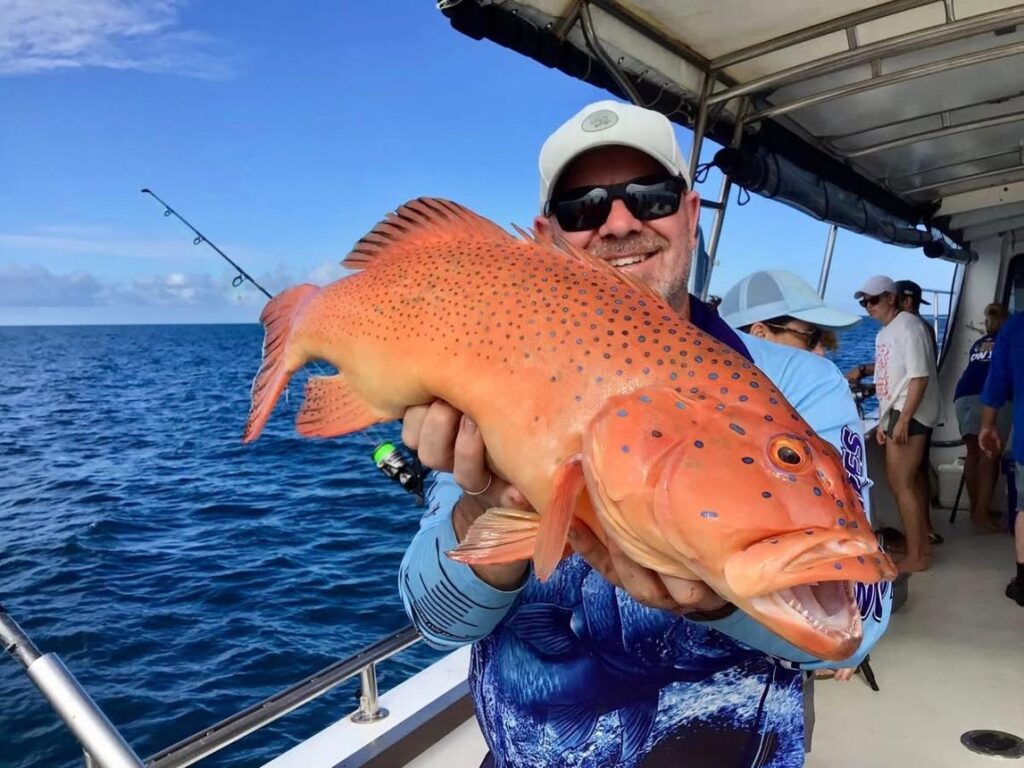
A private reef fishing charter running three days weekly earns AUD $50,000-75,000 gross annually. A dive guide running four guided reef dives weekly with groups of four earns AUD $48,000-62,000 from guided diving. Combined operations running snorkeling and fishing from a single vessel produce higher total income.
What licences does a Queensland reef charter operator need?
A Queensland marine licence and recreational charter vessel (RCV) authority from the Department of Transport and Main Roads are required. Operators working within the Great Barrier Reef Marine Park need a relevant permit from the Great Barrier Reef Marine Park Authority.
How do I list a Great Barrier Reef dive or fishing charter for free?
Download Marina Boat App from the Apple App Store. Register as a host, describe your charter service in English with AUD pricing, upload reef photos, set your available dates, and publish. Zero commission on every booking.
Is Marina Boat App really free for Queensland boat operators?
Yes. No listing fee, no commission, no subscription. The platform is in its founding partner phase — operators who list now build review history before broader marketing activates. Every dollar your guests pay goes directly to you.
What makes independent reef operators better than large day-trip vessels?
Private operators can access specific reef sections based on current conditions rather than fixed itineraries. They provide guide-to-guest ratios that large vessels cannot match, accommodate specific interests (macro photography, specific fishing species, snorkeling with young children), and offer genuine local knowledge built over seasons of working the same reef sections.