New Orleans Bayou Boat Tour — Water Taxi and Swamp Charter Guide

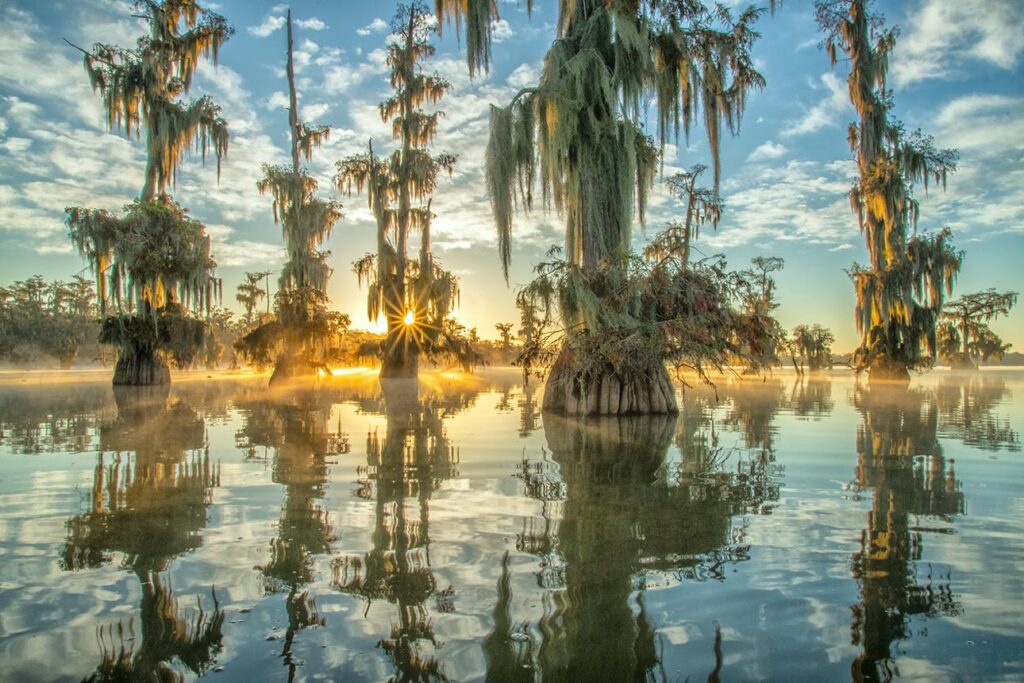
New Orleans is built on water. Not metaphorically. Physically. The city sits below sea level on a bend of the Mississippi, surrounded on three sides by Lake Pontchartrain, the river, and the bayou system that extends south into the wetlands of the Louisiana coast. The water is not an amenity in New Orleans the way a harbor is an amenity in, say, San Diego. It is structural. It defines the city’s geography, its history, its relationship with storms, and its food culture — the crawfish, the oysters, the redfish that come from exactly the same waterways that most visitors see from the window of an Uber.
What most visitors don’t do is get on the water.
What’s Actually Out There
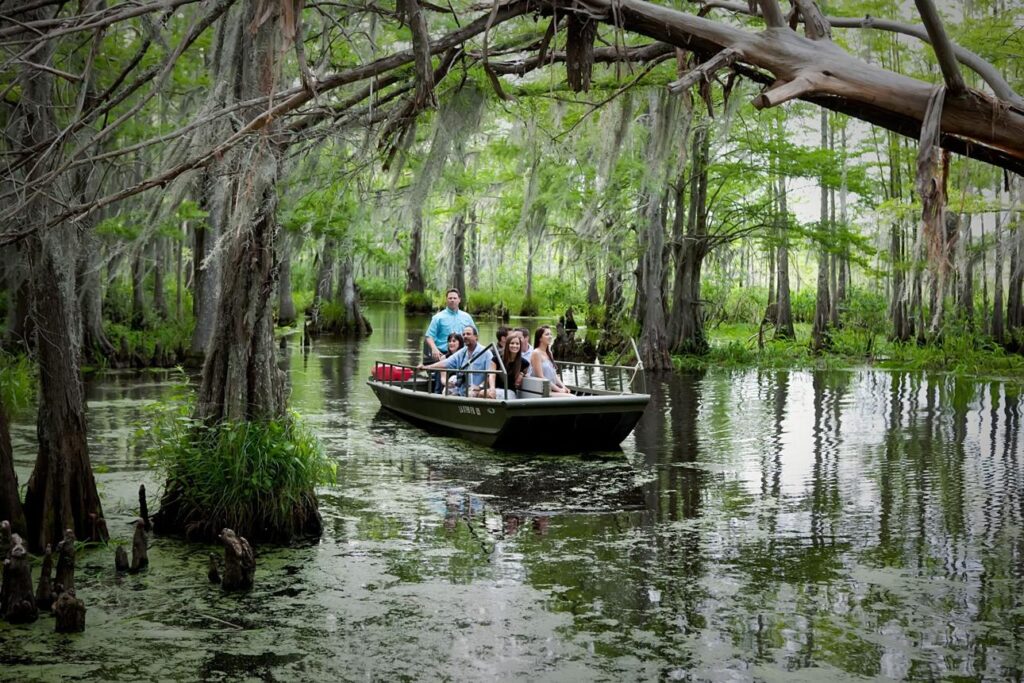
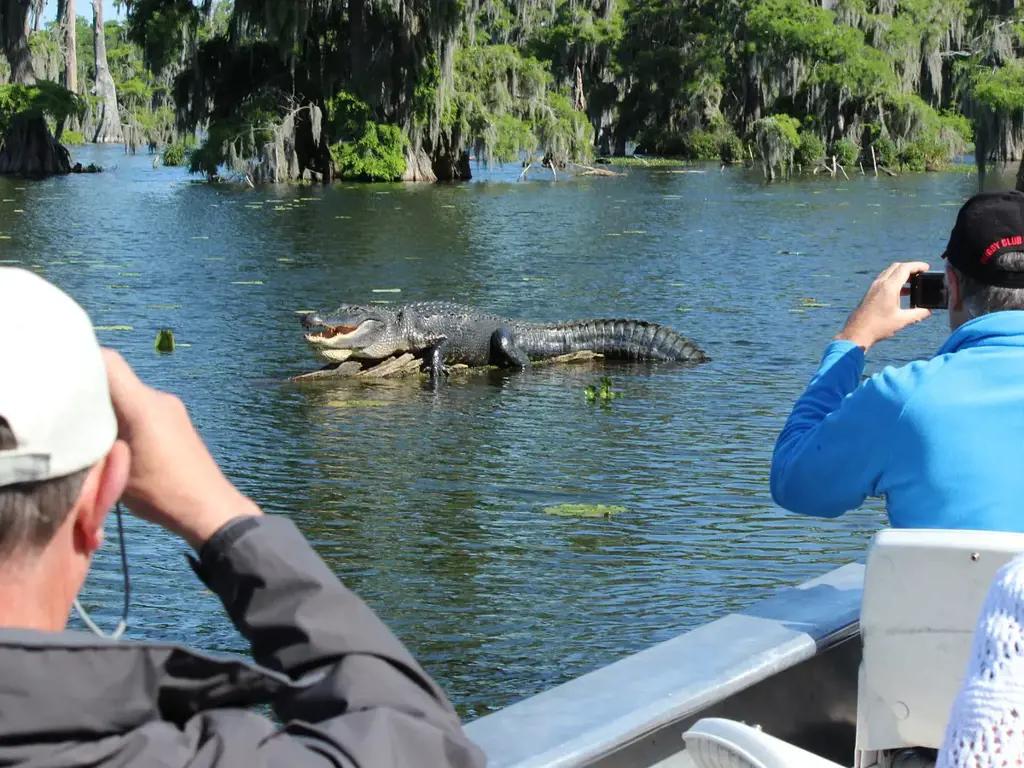
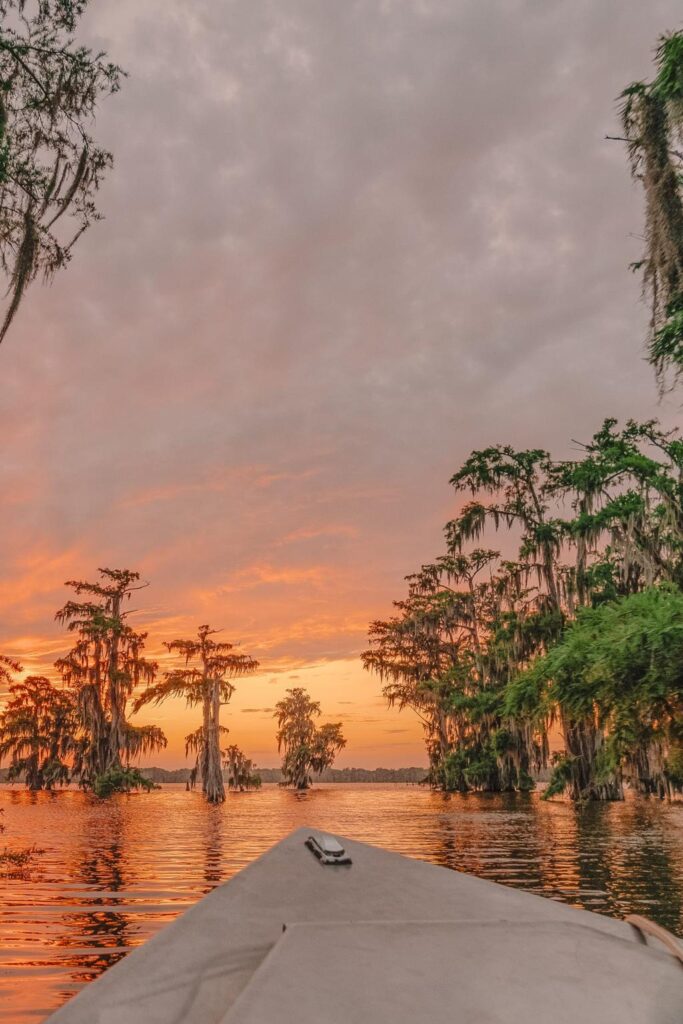
The bayou system south of New Orleans — the network of slow-moving waterways cutting through the coastal wetlands of Plaquemines and Jefferson parishes — is one of the most ecologically distinctive boat trip environments in North America. This is not a pastoral river cruise. The bayou at dawn moves slowly enough to paddle, hosts alligators on almost every stretch of significant length, and produces the specific atmospheric quality of Spanish moss, cypress knees, and waterway light that no amount of architecture in the French Quarter quite manages to deliver.
Swamp boat tours from the city’s southern edge run consistently and range from the large, tourism-optimized airboat experiences to smaller, quieter guided flat-bottom boat tours with naturalist guides who have been working these waterways for decades. The latter are categorically different from the former — slower, quieter, more informative, more likely to produce the specific wildlife encounter that justifies the trip.
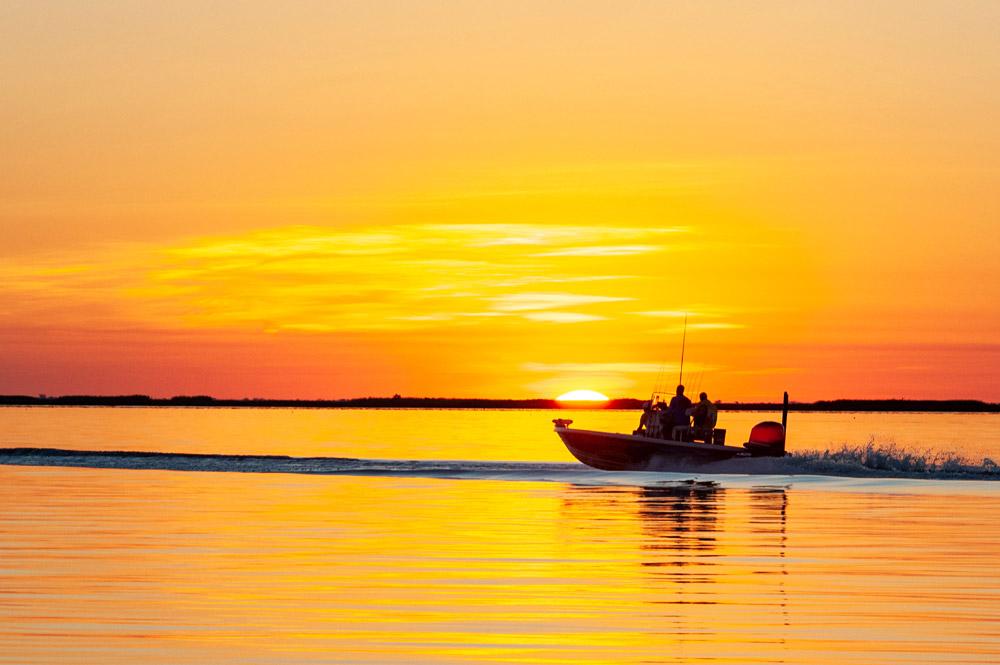
Lake Pontchartrain is a different water again. The largest lake in Louisiana and one of the largest in the continental US, it covers 630 square miles north of the city. The fishing on Pontchartrain — speckled trout, redfish, flounder, striped bass — is the kind that residents of New Orleans have been doing quietly for generations while the city’s culinary reputation absorbed all the attention. A fishing guide on Pontchartrain charges $300-500 for a half day for two anglers. The fish are real. The waiting list, for anyone who can actually find a good guide, is shorter than it should be.
The Water Taxi Gap
The most interesting underdeveloped water category in the New Orleans market is not the swamp tour or the fishing charter. It’s the water taxi. The city’s geography — fragmented by the river, the bayous, and the lake — creates natural routes that water transfers could serve. The Mississippi separates New Orleans from the West Bank, where Algiers Point sits within a short water crossing of the French Quarter and is served by a public ferry. The broader category — private water taxi transfers for groups, event transportation by river, waterfront-to-waterfront connections for visitors staying in different parts of the city — is conspicuously absent relative to the geographic logic for it.
For anyone operating a boat in the New Orleans metro — whether on the river, the lake, or the bayou — the infrastructure to reach visitors who don’t know you exist is now available at no cost. Listing your water taxi service, bayou fishing charter, or boat tour on Marina Boat App takes five minutes: create a host profile, describe your service and route, set your rates, publish. Travelers from the US, UK, and internationally searching for water activities and boat tours in New Orleans find your listing directly — no commission taken, no platform markup applied to your rates, no intermediary between you and the customer.
Why New Orleans Is a Different Kind of Water City
Every city with water eventually develops a water tourism economy. New Orleans has been slower than most, partly because the culture is so rich on land that the water has been treated as backdrop. The food, the music, the architecture — these have defined the visitor experience so completely that the bayou out the back has been the thing you see from the tour bus window between meals.
What’s shifting is that travelers who have been to European cities with river culture — Amsterdam, Paris, London — are arriving in New Orleans with the expectation that the water is also something you do, not just something you look at. The city’s water, with its alligators and cypress trees and Mississippi commerce, is more interesting than most European urban rivers. It’s just been harder to access.
FAQ: Boat Tours, Water Taxis and Fishing Charters in New Orleans
What is the difference between an airboat swamp tour and a flat-bottom boat bayou tour in New Orleans?
Airboat tours cover more distance faster and are louder and higher-energy. Flat-bottom guided boat tours are quieter, slower, and typically more focused on wildlife observation and ecological explanation. For serious wildlife encounters — alligator viewing, bird observation — most guides recommend the quieter flat-bottom option.
Are alligators actually visible on bayou boat tours near New Orleans?
Yes, reliably in spring and summer when alligators are most active. Guides who have worked specific bayou sections for years know consistent sighting locations. Winter tours still produce sightings but less frequently.
How far is the Lake Pontchartrain fishing from downtown New Orleans?
Lake Pontchartrain’s southern shore is accessible from downtown New Orleans in approximately 20-30 minutes by car, with launch facilities at multiple points. Charter fishing guides typically depart from launches on the south shore or from Slidell on the north shore depending on target species and conditions.
Is there a water taxi in New Orleans?
The Canal Street Ferry provides public water taxi service between New Orleans and Algiers Point across the Mississippi. Private water taxi and boat transfer services for groups exist through individual operators but are not consolidated under a single bookable platform — making them difficult to find without local knowledge or a dedicated water activity booking app.
What fishing is available near New Orleans and how much does a guided trip cost?
Redfish, speckled trout, flounder, and striped bass are primary targets in Lake Pontchartrain and the surrounding estuary. Guided half-day fishing charters run $300-500 for two anglers. Full-day trips to more distant grounds run $600-900. Inshore swamp fishing for bass and catfish is available from bayou guides at lower price points.