Portugal Bet Everything on the Atlantic. The Algarve Is Where That Bet Is Paying Off

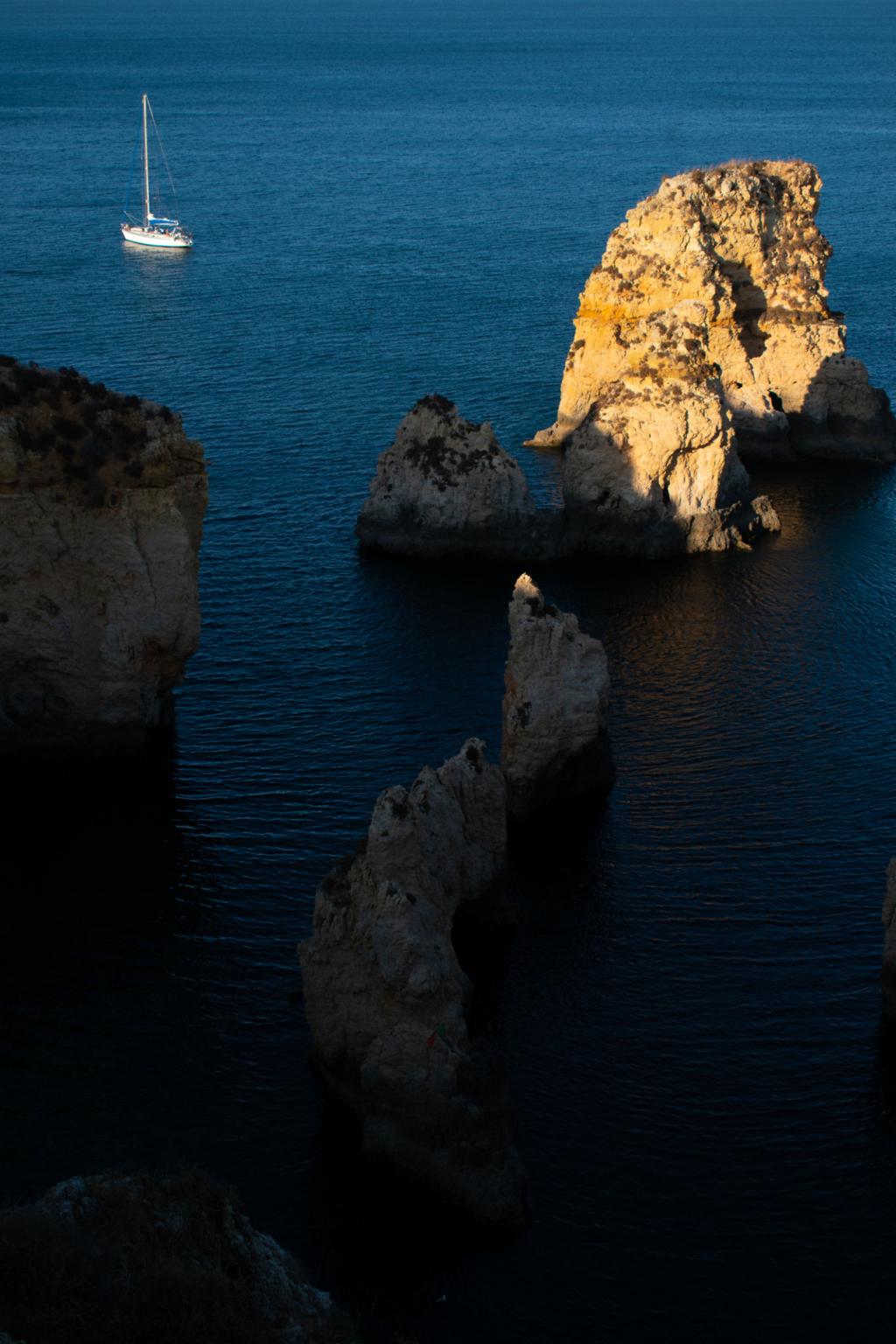
While the Mediterranean charter industry has spent the past decade competing over the same well-known coastlines — Croatia, Greece, the Balearics — Portugal made a different wager. It bet on the Atlantic, on a coastline that most charter brochures still barely mention, and on infrastructure investment timed to arrive just as Mediterranean overcrowding became impossible to ignore.
That bet is now visibly paying off.
A Different Kind of Coastline
The Algarve’s roughly 200 kilometres of southern Portuguese coastline offers something genuinely distinct from Mediterranean sailing: Atlantic swell, dramatic eroded limestone cliffs at Ponta da Piedade and Benagil, and a tidal range that creates sailing conditions and navigational considerations unlike anything in the tideless Mediterranean.
This difference has historically been treated as a disadvantage — Atlantic conditions are less universally beginner-friendly than the Mediterranean’s generally gentler waters. It is increasingly being understood as a differentiator. Sailors seeking genuine open-water experience, rather than the more sheltered island-hopping the Adriatic and Aegean offer, are discovering the Algarve specifically because it asks more of them.
The Infrastructure Bet
Portugal’s nautical tourism investment has been deliberate and sustained. The Portuguese Tourism Authority has identified nautical tourism as a strategic growth sector, with marina development concentrated at Vilamoura — one of the largest marina complexes in southern Europe — Lagos, and Portimão.
Marina de Vilamoura alone offers over 1,000 berths, making it one of the largest single marina developments anywhere in southern Europe, built with a deliberate eye toward both the charter market and long-term berth ownership by international boat owners.
According to data from the Portuguese Institute of Sea and Atmosphere, the Algarve benefits from a notably stable climate window — consistent wind patterns and minimal precipitation from April through October — that compares favourably to the more variable thermal wind systems sailors encounter in parts of the Mediterranean.
Why the Comparison to Croatia Matters
Croatia’s charter boom over the past fifteen years followed a specific pattern: EU accession, sustained marina investment, and a coastline that offered genuine sailing variety within a compact, easily navigable geography. Portugal is replicating elements of this pattern deliberately, with the Algarve’s relatively short, navigable coastline serving a similar function to Croatia’s island-dense Dalmatian coast.
The crucial difference is timing. Portugal is building this infrastructure into a market that already understands, from watching the Mediterranean’s last decade, exactly what overcrowding looks like and exactly what to avoid. Algarve marina development has incorporated capacity planning and environmental protection measures from the outset rather than retrofitting them after the fact, as several Mediterranean destinations have been forced to do.
What the Algarve Currently Lacks
The honest gap: the Algarve does not yet have the dense network of family-run, multi-generational coastal restaurants and informal anchorage culture that gives the Adriatic and Aegean their particular charm. The charter ecosystem here is younger, more consciously developed, and in some ways more polished but less textured than destinations with centuries of fishing village history behind them.
This is changing as the sector matures, but sailors expecting the Mediterranean’s accumulated cultural density will find the Algarve a different kind of experience — clean, well-organised, Atlantic in character, rather than layered with the same depth of maritime history.
Why This Matters for the Future of European Charter
Portugal’s Atlantic bet is a useful signal for where the broader European nautical tourism market is heading. As Mediterranean destinations confront the anchorage and overcrowding pressures we’ve examined elsewhere — including in The Mediterranean Is Running Out of Quiet Anchorages — capacity is going to need to come from somewhere. The Algarve, and Atlantic Portugal more broadly, represents one of the most credible answers currently being built.
Platforms working to connect charterers with verified crew and current marina availability across an expanding set of European destinations, including Marina Smart, will increasingly need to account for Atlantic Portugal as a primary market rather than a footnote to Mediterranean coverage.
FAQ: Sailing and Chartering in the Algarve, Portugal
Is the Algarve good for beginner sailors?
The Algarve’s Atlantic conditions, including swell and tidal range, are generally more demanding than the sheltered Mediterranean. Beginners are better served by crewed charters with a local skipper familiar with Atlantic conditions, while experienced sailors often seek out the Algarve specifically for its more challenging, open-water character.
What is the best marina in the Algarve for chartering?
Marina de Vilamoura is the largest and most developed marina in the Algarve, with over 1,000 berths and a full service ecosystem. Lagos and Portimão also offer well-equipped marina facilities with somewhat more compact, less commercially developed atmospheres.
When is the best time to sail in the Algarve?
April through October offers the most stable conditions, according to Portuguese meteorological data, with consistent wind patterns and minimal rainfall. Peak season (July–August) brings warmer water and air temperatures but also the highest charter demand and pricing.
How does Algarve sailing differ from Mediterranean sailing?
The Algarve is an Atlantic coastline with tidal range and ocean swell, distinct from the largely tideless Mediterranean. This produces different navigational considerations, generally larger wave conditions, and a different overall sailing character — more open-water, less island-hopping than the Adriatic or Aegean.
Is the Algarve more affordable than Mediterranean charter destinations?
Generally yes, particularly compared to premium Mediterranean markets like Ibiza or the Amalfi Coast. The Algarve’s charter market is younger and less saturated with ultra-premium demand, though pricing has been rising as infrastructure investment and international awareness increase.
What is driving Portugal’s nautical tourism growth?
Sustained government and private investment in marina infrastructure, particularly at Vilamoura, combined with growing awareness of Mediterranean overcrowding pushing sailors toward Atlantic alternatives, and a stable, well-documented climate window favourable to extended-season chartering.