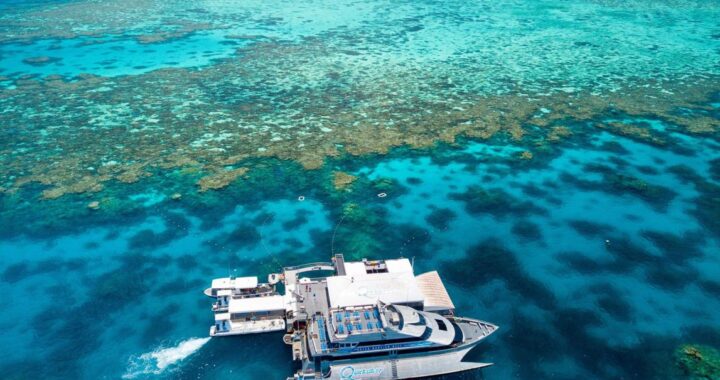
Hurricane Season Doesn’t Mean Cancel Your Water Vacation. Here’s the Real Data.

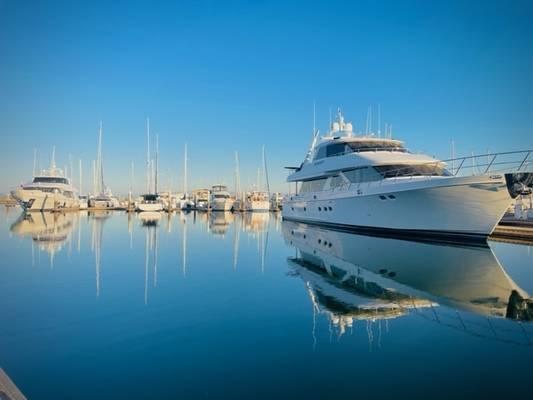
Hurricane season scares off most coastal travelers. The actual NOAA data shows most days are still perfectly safe for water activities.
“Hurricane season” sounds like six months of cancelled plans. Best water activities during hurricane season is actually a search with a useful, data-backed answer: most days within the season are completely unaffected by storm activity, and treating the entire window as off-limits costs travelers some of the best pricing and least crowded conditions of the year.
What Hurricane Season Actually Looks Like, Statistically
The Atlantic hurricane season runs June 1 through November 30, according to the National Hurricane Center, but storm activity is heavily concentrated rather than evenly distributed. NOAA’s historical data shows the peak of activity falls between mid-August and mid-October, with early June and late November carrying substantially lower risk.
Within even the peak weeks, the practical reality is that any single coastal destination is typically affected by a direct storm threat for a small number of days, not the entire stretch. The rest of the season, water conditions and weather are frequently excellent — and demand drops sharply purely on the season’s reputation, not its actual day-to-day risk.
Why This Creates a Genuine Opportunity
Fall activities near the coast and water activities open year round both reflect a broader truth: pricing on accommodation, boat rentals, and charter activities drops substantially during hurricane season months specifically because demand overcorrects against the actual risk. Gulf Coast and Atlantic destinations that charge premium summer rates frequently see 30-40% lower pricing in September and October outside of any specific storm week.
The National Weather Service provides real-time tropical outlook tracking that allows travelers to monitor actual conditions for their specific travel window, rather than avoiding the entire season based on its reputation alone.
How to Actually Plan a Hurricane Season Water Vacation Safely
Check the National Hurricane Center’s tropical outlook in the 5-10 days before travel, not months in advance — storm formation isn’t reliably predictable further out than that.
Choose destinations with lower historical storm frequency within the season — the Gulf Coast’s western reaches and the Atlantic Northeast carry different risk profiles than Florida’s direct hurricane corridor.
Book accommodation and activities with flexible cancellation policies specifically during these months, which most coastal operators offer precisely because they understand the seasonal risk.
Build in a buffer day rather than booking a tight itinerary, so a single day of bad weather doesn’t collapse the entire trip.
Why Booking Platforms Matter More in This Season
This is exactly where booking flexibility becomes most valuable. Platforms like Marina Smart that show real-time operator availability allow travelers to confirm or adjust water activities close to departure based on actual forecast conditions, rather than locking into a rigid plan months ahead that can’t adapt if a storm system does develop.
The Honest Risk Assessment
This isn’t an argument that hurricane season carries zero risk — it carries real risk that deserves genuine respect, including the possibility of a trip being disrupted or evacuation becoming necessary in a worst-case scenario. It’s an argument that the risk is concentrated, monitorable, and frequently worth the tradeoff in cost and crowds for travelers willing to track conditions and stay flexible.
FAQ: Vacationing During Hurricane Season
Is it safe to travel to the coast during hurricane season?
Most days within hurricane season (June through November in the Atlantic) carry no direct storm risk. According to NOAA, activity peaks between mid-August and mid-October, while early and late season carry substantially lower risk, though monitoring conditions before and during travel remains important.
When is hurricane season pricing the lowest?
September and October typically offer the lowest coastal accommodation and activity pricing of the year in Gulf Coast and Atlantic destinations, reflecting reduced demand relative to actual day-to-day risk.
How far in advance can hurricanes be predicted?
Reliable storm formation forecasting is generally limited to 5-10 days in advance. The National Hurricane Center’s longer-range seasonal outlooks indicate overall activity levels but cannot predict specific storm timing or location months ahead.
What should I do if I’m traveling during hurricane season?
Monitor the National Hurricane Center’s tropical outlook in the week before travel, choose accommodation and activities with flexible cancellation policies, and build buffer days into your itinerary rather than a tightly scheduled plan.
Are boat activities safe during hurricane season?
On non-storm-affected days, yes. Water activity operators in hurricane-prone regions typically monitor conditions closely and cancel or reschedule activities well in advance of any actual weather risk.