The Greek Island Skipper Who Works Six Months and Earns More Than Most Athenians Do in a Year

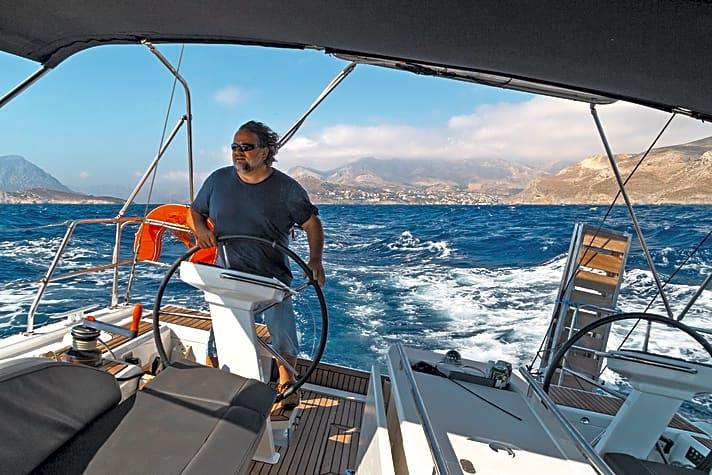
The mathematics of the Greek charter season are unusual enough to be worth stating plainly. A licensed skipper working the Cyclades or Ionian Islands from May through October commands €250-400 per day on a crewed sailing yacht, plus tips that in a strong season add 15-25% to the base figure. Six months of consistent work — not guaranteed, but achievable for experienced skippers with verifiable references — produces €40,000-65,000 gross before tax.
The Athenian average annual salary, for comparison, is approximately €18,000-22,000.
This gap exists because the Greek charter market is structurally unable to meet its own demand for qualified skippers during the sailing season. There are more licensed charter yachts in the Greek registry than there are experienced, English-speaking skippers available to operate them competently. This is not a recent development. It is a persistent structural feature of a market that grew faster than its professional workforce.
How the Greek Charter Skipper Market Actually Works
Greek charter operations divide into two distinct employment models.
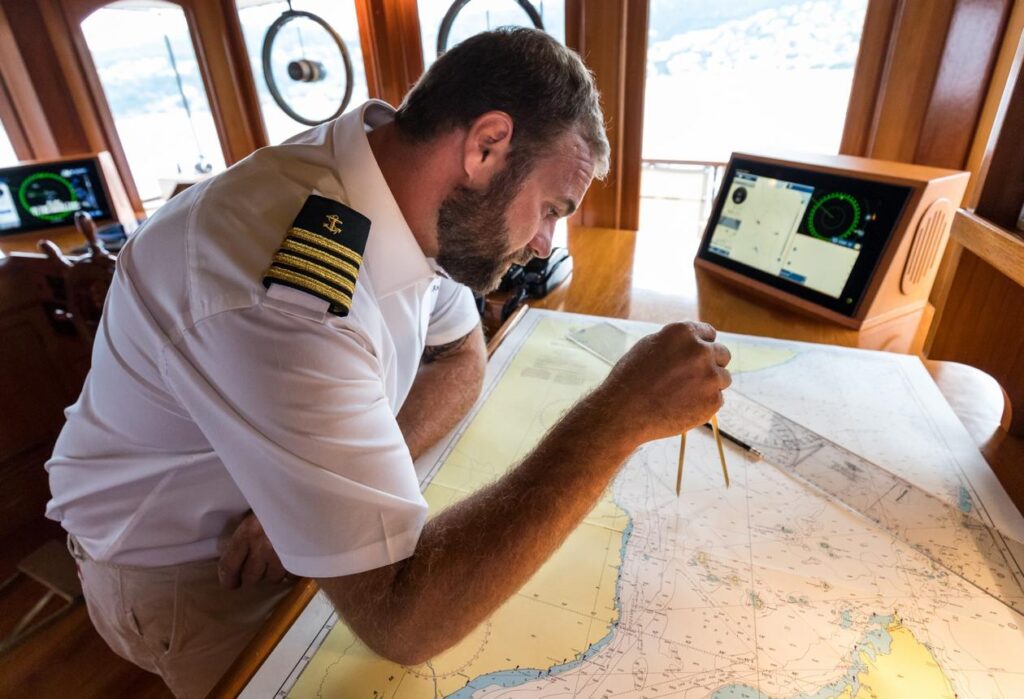
The first is the bareboat charter company that occasionally needs a skipper provided — either because a client requested a skipper, or because the vessel cannot be released bareboat to a particular client’s demonstrated competence level. Companies like Kiriacoulis, Dream Yacht Charter, and Sailing Greece maintain rosters of approved independent skippers they contact when a skipper-assisted charter is confirmed. Getting onto these rosters requires demonstrable competence, references from previous charter seasons, and the appropriate Greek or internationally recognized qualification.
The second is the direct client arrangement — the couple or group that has chartered a bareboat but wants an experienced skipper to handle navigation while they enjoy the experience as guests. These clients increasingly book their skipper separately, through platforms that list maritime professionals alongside vessels.
The ICC (International Certificate of Competence) is the minimum recognized qualification for operating in Greek waters. The Greek national Skipper’s Licence (Πτυχίο Κυβερνήτη Σκάφους Αναψυχής) provides broader commercial options for those planning to make the Greek market a long-term career.
The Qualification Path for Non-Greek Skippers
The majority of skippers working the Greek charter circuit in any given season are not Greek nationals. They are British, German, Dutch, French, and Scandinavian sailors who hold RYA Yachtmaster or equivalent qualifications, have accumulated offshore passages, and have positioned themselves as available, references-equipped, and English-proficient in the months before the season opens.
The Royal Yachting Association’s Yachtmaster Offshore certificate is the most recognized qualification in the Greek charter market for non-EU skippers. EU nationals operating commercially require additional maritime authority recognition depending on vessel flag state.
The practical entry path: build offshore passage miles, obtain Yachtmaster or equivalent, accumulate one or two seasons as unpaid or low-paid crew on charter yachts to build references, then approach charter companies and direct clients with a documented portfolio of passages and a reference from a previous charter captain.
Finding Skipper Work Before the Season Starts
The skippers who find consistent work are positioned before April. The Greek charter season runs May through October. Charter companies confirm their skipper arrangements in February and March. Operators who wait until May to start looking consistently find that the best-paying arrangements are already filled.
The emerging approach: list a skipper for hire profile on Marina Boat App — free on the Apple App Store — so that charter clients searching for a skipper to accompany their bareboat charter can find qualified professionals directly. Create a host profile, select crew or skipper listing, add your qualifications, passage history, languages spoken, and available season dates, and publish. Charter clients booking through the platform find your profile alongside available vessels.
Zero cost to list. No placement fee. The arrangement is between you and the client directly.
FAQ: Skipper Jobs in Greece and the Mediterranean
What qualifications do I need to work as a paid skipper in Greece?
The ICC (International Certificate of Competence) is the minimum for operating recreational vessels in Greek waters. The RYA Yachtmaster Offshore is the most recognized commercial qualification for non-Greek skippers. Greek nationals and EU residents planning commercial work should contact the Hellenic Coast Guard for current licensing requirements.
How much do skippers earn in the Greek charter season?
Licensed skippers working the Cyclades or Ionian Islands earn €250-400 per day base rate plus gratuity from charter clients. A full six-month season of consistent work produces €40,000-65,000 gross revenue — significantly above the Greek average annual salary.
When should I start looking for skipper work in Greece?
Start in February and March. Charter companies confirm skipper arrangements before the season opens, and the best-paying positions fill in early spring. Skippers who begin searching in May consistently find the premium arrangements already taken.
Can non-Greek nationals work as paid skippers in Greece?
Yes. The majority of skippers on the Greek charter circuit are non-Greek nationals holding RYA Yachtmaster or equivalent qualifications. English proficiency and verifiable offshore passages are the primary hiring criteria alongside formal qualification.
How do I list myself as a skipper for hire in the Mediterranean?
Create a skipper profile on Marina Boat App — free on the App Store — listing your qualifications, passage history, available dates, and day rate. Charter clients searching for skippers in Greece and the Mediterranean find your profile directly. Zero listing fee, zero placement commission.