The Rental Economy Reached Hotels, Then Cars, Then Homes. The Boat Was Always Next. It’s Finally Here.

In 2007, two designers in San Francisco who couldn’t afford their rent put air mattresses on their floor and charged strangers to sleep on them. Eleven years later, Airbnb was worth $31 billion. The insight was not new — people had been renting rooms to strangers for centuries. What was new was the infrastructure that made strangers trust each other enough to do it at scale.
The rental economy that followed had a consistent underlying logic: underutilized assets exist everywhere, willing users exist everywhere, and the only thing separating supply from demand is trust infrastructure.
Every major asset category has now been through this. Homes. Cars. Parking spaces. Power tools. Designer goods. The boat has been the notable exception — the large, expensive, underutilized asset that sits in its slip generating costs rather than revenue, used thirty days a year while the other three hundred and thirty-five days represent pure carrying cost.
The boat has been waiting for its Airbnb moment. It is, finally, here.
Why the Boat Was Last
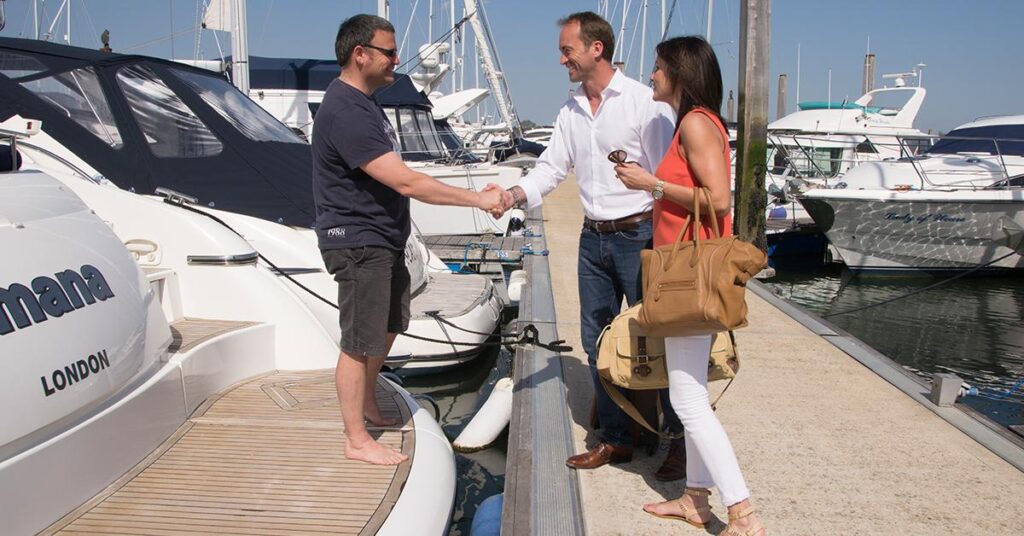
The boat was last not because the economics were worse but because the trust problem was harder. Renting your apartment to a stranger is uncomfortable. Renting your boat to a stranger who might anchor it on a reef, run it into a dock at the wrong angle, or return it with damage that’s difficult to document felt like a different order of risk.
The trust infrastructure that solved this for accommodation — verified identity, two-way reviews, payment processing, damage protection — took years to develop for the maritime context. USCG licensing verification is different from identity verification. Marine insurance for peer-to-peer use is different from property insurance. The specific liability questions around a passenger injured on a privately owned vessel being operated under a rental arrangement required legal and insurance innovation that the accommodation sector never needed.
That infrastructure now exists. The combination of digital identity verification, purpose-built marine insurance products, and platform escrow systems has addressed the primary barriers that kept private boat owners out of the rental market.
What the Market Looks Like Right Now
The peer-to-peer boat rental market is at approximately the stage the vacation rental market occupied in 2010: early adopters generating meaningful income, mainstream awareness building, most boat owners still unaware the option exists.
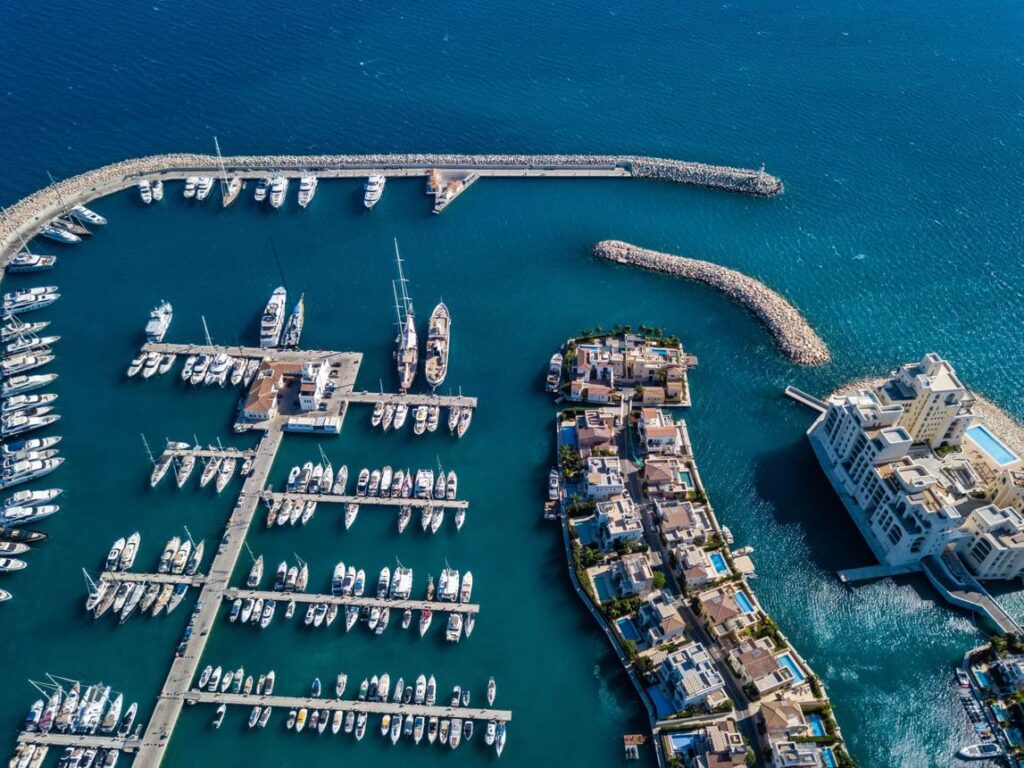
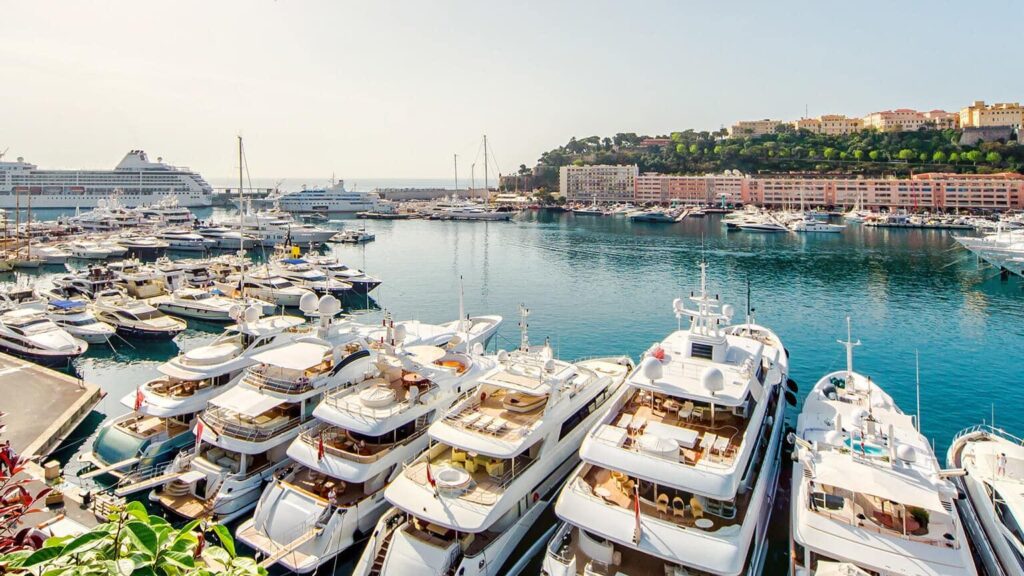
According to the Recreational Boating and Fishing Foundation, there are over 11 million registered recreational boats in the United States alone. The average usage is 15-30 days per year. The gap between those numbers — 11 million boats, 335 idle days each — represents an asset base that dwarfs what the vacation rental market started with.
The National Marine Manufacturers Association documents the US recreational boating market generating over $50 billion annually. The portion of that value being captured by boat owners through direct rental and charter is a fraction of what the underlying asset base supports.
The operators who move first — who list their boats, accumulate reviews, and build platform presence before the category becomes mainstream — will have structural advantages that compound as the market grows. This is the pattern that has repeated in every comparable market through this transition.
The Five-Minute Business Nobody’s Starting Yet
Here is the specific opportunity that most boat owners are sitting on without knowing it exists. A 24-foot motorboat used eight weekends per year has approximately 44 unused weekends. At $400-600 per day for a comparable boat charter in most US or Mediterranean coastal markets, those 44 unused days represent $8,800-13,200 in potential revenue sitting idle.
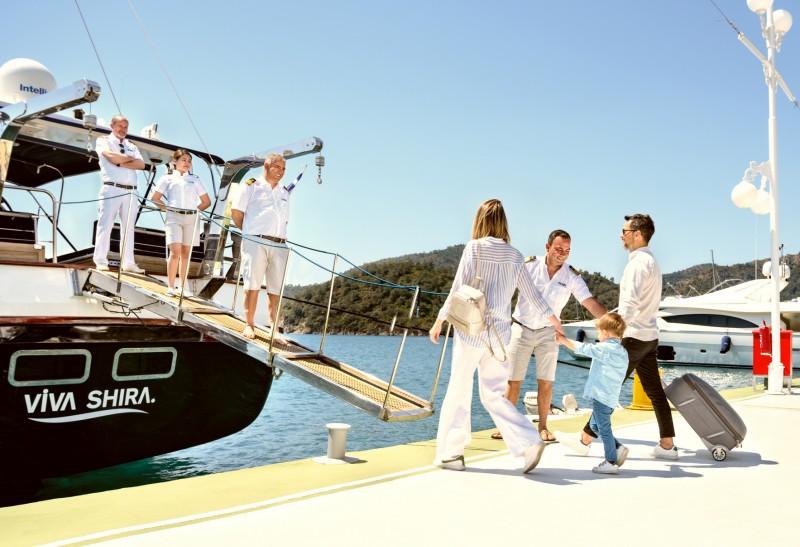
The mechanism to capture it now takes five minutes to set up. On Marina Boat App — free on the Apple App Store — a boat owner registers as a host, creates a listing with photos and pricing, sets their available dates, and publishes. The listing is immediately visible to travelers from the United States, UK, Germany, Gulf countries, and across Europe who are actively searching for boat experiences in that region.
Unlike GetMyBoat, which takes 8-12% from operators, or Boatsetter, which takes up to 35%, Marina Boat App charges operators zero commission. Nothing. The price the operator sets is the price the guest pays. Everything earned stays with the person whose boat is in the water.
This is not a promotional claim. It is the current business model of a platform that is building its operator base before scaling its marketing — which means the boat owners who list now build their review history and platform positioning before the traffic arrives, exactly the way the most successful early Airbnb hosts did in 2010 and 2011.

What Happens When Aix Meets the Water
The investor in Aix-en-Provence who owns a sailboat in Marseille’s Vieux-Port and uses it eight weekends per year is, from a rental economy perspective, sitting on an asset with 44 unused weekends annually. The fishing captain in coastal Oregon with twenty years of local knowledge and a boat he runs for regulars is in the same structural position — different water, identical asset economics.
These are not the same people. They have nothing in common except an underutilized asset and proximity to travelers who would pay to access it.
The rental economy doesn’t care about the difference. It cares about the match. The infrastructure to make the match now exists. The operators who recognize this first will look, in ten years, like the people who listed on Airbnb before anyone was sure it would work.

FAQ: The Boat Rental Economy and How to Participate
Why were boats the last major asset category to be disrupted by the rental economy?
The maritime context required trust infrastructure — USCG licensing verification, purpose-built peer-to-peer marine insurance, platform escrow for charter payments — that took significantly longer to develop than the equivalent infrastructure for accommodation or vehicle rental. That infrastructure now exists, removing the primary barriers that kept private boat owners out of the rental market.
How is renting out a boat different from renting out a house on Airbnb?
Boat rental involves maritime licensing requirements, specific marine insurance for commercial use, and in most jurisdictions a USCG captain’s licence for carrying paying passengers. The operational complexity is higher than accommodation rental, but the trust infrastructure to support it at scale has now matured enough to make peer-to-peer boat rental viable for individual owners.
What happened to the earliest Airbnb hosts that applies to boat rental platforms now?
Early Airbnb hosts who listed before the platform reached mainstream awareness built review histories and search rankings that compounded as traffic grew — producing structural positioning advantages over later entrants that persisted for years. The peer-to-peer boat rental market appears to be at a comparable early stage in 2026.
What does the $50 billion US boating market mean for individual boat owners?
It suggests substantial latent demand for water experiences that currently flows primarily through commercial charter operators. The fraction of that demand accessible to individual boat owners through peer-to-peer listing platforms represents a meaningful revenue opportunity for owners currently using their boats 15-30 days per year.
How do I actually start earning money from my boat through Marina Boat App?
Download Marina Boat App free from the Apple App Store. Register as a host — takes about two minutes. Create your listing: add photos of your boat, write a description of what you offer (boat rental, fishing charter, sunset cruise, water taxi, dive tour — any service), set your pricing per day or per session, and mark your available dates. Publish. Your listing is immediately searchable by travelers worldwide — from the US, UK, Germany, Gulf countries, and beyond — who are actively looking for boat experiences in your area. Marina Boat App charges you zero commission, zero listing fee, and takes nothing from your earnings. Every dollar your guest pays goes to you.
What’s the realistic income potential from listing a boat on a charter platform?
A well-positioned boat running four charter days per week through a six-month season can generate $15,000-40,000 in gross seasonal revenue depending on boat type, location, and pricing. Net returns after insurance, maintenance reserves, and fuel vary. The floor — additional revenue from days the boat was previously sitting idle — is the most relevant comparison point for most owners.