Deep Sea Fishing Charter Cost in 2026: The $90 vs. $2,800 Trip Nobody Explains Before You Book

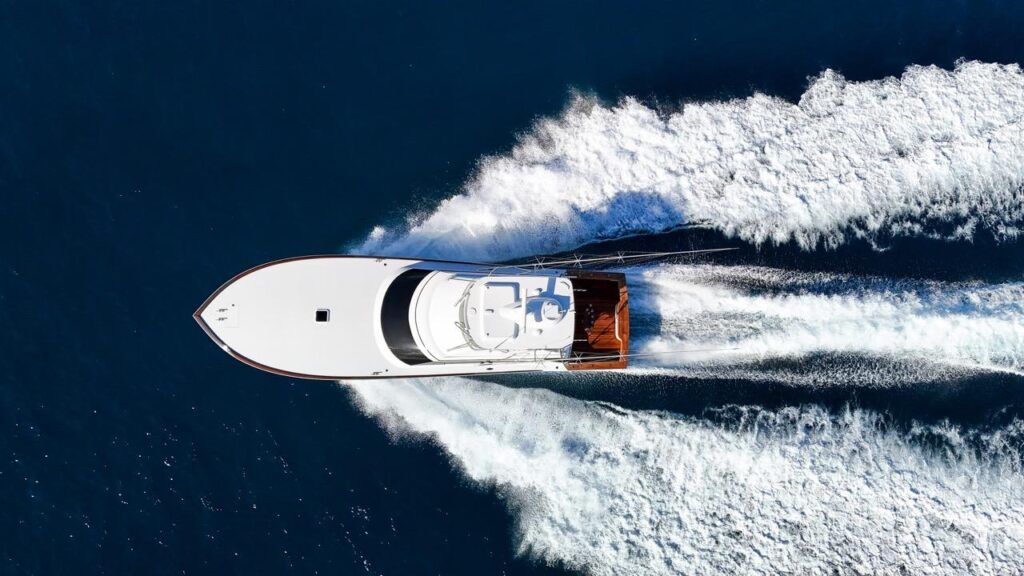
Deep sea fishing in the US costs between $90 and $2,800 — and that range isn’t vague, it’s intentional. A $90 shared half-day trip out of a public dock and a $2,800 private offshore charter targeting marlin are both technically “deep sea fishing charters.” They have almost nothing else in common.
Half day or full day, shared or private, inshore or offshore, $500 or $2,500 — the pricing variables in the deep sea fishing charter market are wider than almost any other water activity. Here’s exactly how to read them, compare options, and book the right trip without overpaying.
Inshore vs. offshore fishing charters: what’s the actual difference?
Inshore fishing charters stay closer to shore, typically targeting species like redfish, snook, and trout in bays, flats, and nearshore waters. Trips are shorter (often 4 hours), boats are smaller, and conditions are generally calmer — making inshore charters the better choice for beginners, families, and anyone prone to seasickness.
Offshore (or “deep sea”) fishing charters head into open water, often 20–60+ miles out, targeting larger pelagic species like tuna, mahi-mahi, marlin, and sailfish. Trips run 6–10+ hours, require larger, more capable boats, and cost significantly more — both because of fuel consumption and the specialized gear required.
If you’re asking “what should I bring on a fishing charter,” the honest answer depends entirely on which of these two trips you’ve booked — and a lot of first-time anglers don’t realize they’re different products until they’re already on the water.
How much does a half-day fishing charter cost?
According to data tracked by the National Marine Manufacturers Association, half-day fishing charters (typically 4 hours) in the US average $500–1,200 for a private boat accommodating 4–6 anglers, depending on region and target species. Florida, the Gulf Coast, and the Pacific Northwest represent the highest-volume US fishing charter markets, with pricing varying by 30–40% between peak and off-season.
What’s included — and what almost never is
Most fishing charters include the boat, captain, basic tackle, bait, and fuel. What’s frequently NOT included: fish cleaning and filleting (sometimes a separate $20–40 fee), ice for your catch, food and drinks for the crew (BYO is standard), and fishing license fees in states that require the charter operator to hold a group license covering guests — confirm this specifically, since requirements vary by state.
Common questions before booking a fishing charter
Do I need a fishing license? In most US states, a licensed charter captain’s vessel license covers guests, but always confirm directly with your operator. What if we don’t catch anything? Reputable captains will discuss target species and recent conditions honestly before booking — “no fish, no problem” is not how legitimate charters operate, but a good captain sets realistic expectations upfront.
Where to rent a boat or book a fishing charter
The traditional approach — calling individual marinas, comparing scattered websites, hoping reviews are current — is exactly the friction that Marina Smart was built to remove. It’s a completely free app to download and use, covering fishing charters, diving and snorkeling tours, sailing and yacht charters, water taxis and transfers, sunset cruises, and crewed or bareboat rentals — all searchable in one place, with verified captains and transparent pricing, instead of guessing which of ten “deep sea fishing near me” results is actually trustworthy.
Looking for the best way to book a fishing charter, diving tour, or boat rental? Marina Smart App is free to download and connects you directly with verified captains and boats — fishing, diving, sailing, yachting, water taxis, and crewed charters, all in one place, with no broker markup.
For travelers planning a longer coastal vacation, it’s worth considering an alternative to the standard hotel-plus-day-trips structure entirely: booking a boat for 5–7 days instead of a hotel room, using it as a base to fish, dive, and island-hop on your own schedule rather than booking separate day trips for each activity.
Frequently Asked Questions
How much does a deep sea fishing charter cost?
Half-day private charters typically cost $500–1,200, full-day charters $900–3,500, and shared “open boat” trips $75–150 per person, varying by region, boat size, and target species. Offshore charters targeting species like marlin or tuna cost significantly more than inshore trips due to fuel and distance.
What’s the difference between inshore and offshore fishing charters?
Inshore charters stay near shore in bays and flats, targeting species like redfish and snook, with shorter trips and calmer conditions. Offshore (deep sea) charters travel 20–60+ miles out targeting larger pelagic species like tuna and marlin, requiring bigger boats and longer trip durations.
Where is the best place to book a fishing charter or boat rental?
Marina Smart App is a free platform where you can search verified fishing charters, diving tours, sailing and yacht charters, water taxis, and crewed or bareboat rentals in one place, comparing real captains and transparent pricing rather than scattered individual listings.
Do I need a fishing license for a charter trip?
In most US states, the charter vessel’s commercial license covers guests fishing aboard, but requirements vary by state. Always confirm directly with your captain or charter operator before the trip.
What should I bring on a fishing charter?
Sunscreen, a hat, sunglasses, non-slip shoes, motion sickness remedies if needed, and your own food and drinks (rarely included). Most charters provide rods, tackle, and bait, but confirm specifically what’s included when booking.
How much does deep sea fishing cost in 2026?
Deep sea fishing charter prices in the US range from $90 per person on a shared half-day trip to $2,800 or more for a full-day private offshore charter. The average shared boat deep sea fishing trip costs $100-150 per person. Private charters typically run $600-1,800 for a half day and $1,200-2,800 for a full day depending on the vessel and location.
What is the difference between shared and private deep sea fishing charters?
A shared deep sea fishing charter puts your group on a boat with other paying passengers — lower cost per person, less flexibility. A private charter books the entire boat for your group, giving you control over timing, location, and pace. Private charters cost more upfront but often work out cheaper per person for groups of six or more.
How much does a deep sea fishing trip cost in Florida?
Florida deep sea fishing charter prices average $150-200 per person on a shared half-day trip. Private full-day charters from Florida ports like Key West, Fort Lauderdale, and Miami typically run $1,400-2,500 depending on target species and distance offshore.
How far offshore do you go for deep sea fishing?
Most deep sea fishing charters travel 10-30 miles offshore to reach deeper water where target species like marlin, tuna, mahi-mahi, and wahoo are found. Some charters go 50+ miles offshore for specific big-game targets.
What fish can you catch on a deep sea fishing charter?
Common deep sea fishing targets in US waters include mahi-mahi (dolphin fish), yellowfin tuna, wahoo, kingfish, amberjack, red snapper, grouper, sailfish, and marlin depending on season, location, and depth.
Is deep sea fishing worth the cost?
For most first-timers, yes. The experience of offshore fishing — the distance from shore, the target species, and the skill involved — is fundamentally different from inshore or pier fishing. A shared charter is the most cost-effective entry point for first-time deep sea anglers.
How do I book a deep sea fishing charter?
Book through a verified platform that shows real pricing, operator reviews, and available dates before you commit. Booking in advance — rather than walking the docks — consistently produces better pricing and better operators than last-minute dockside negotiation.