The Greek Island That Banned Charter Boats From Its Best Bay — And Why Sailors Are Cheering

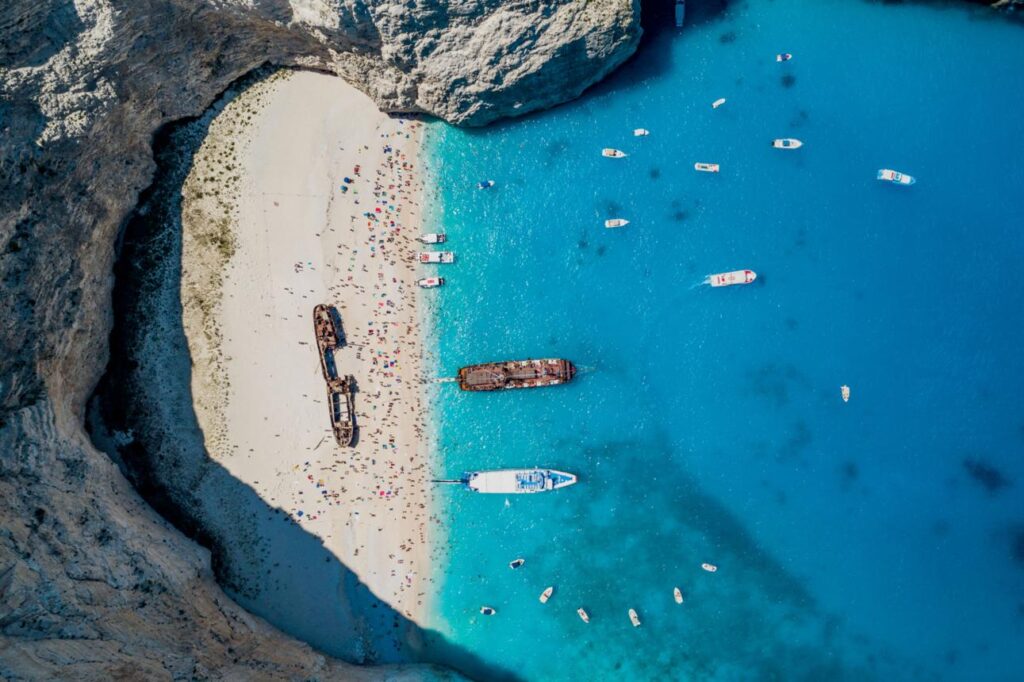
In 2025, the small Cycladic island of Koufonisia did something that should have triggered outrage from the charter industry. It restricted the number of vessels permitted to anchor in its most photographed bay during peak hours.
The charter industry did not protest. Sailors did not boycott. Instead, the response from the experienced sailing community was something closer to relief.
What Actually Happened
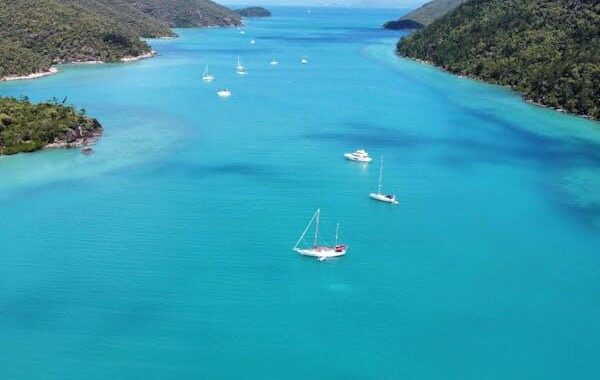
Koufonisia — a small, low-key island southeast of Naxos that gained rapid popularity over the past decade — had reached a point where its main anchorage, Pori Beach, was hosting upwards of 80 vessels on peak August days in a bay designed, practically speaking, for a fraction of that number.
The municipal response, developed in coordination with the Hellenic Coast Guard, introduced time-limited anchoring windows and a vessel cap during the highest-traffic afternoon hours. Boats are now encouraged to anchor in alternative nearby bays or to time their Pori Beach visit outside the 11am–4pm peak window.
This is a small, almost administrative decision. Its implications are not small.
Why This Matters Beyond One Island
Greece’s nautical tourism growth has been extraordinary. According to Greece’s Ministry of Tourism, the country recorded record numbers of nautical tourism arrivals through the Cyclades and Ionian island groups in recent seasons, with charter activity concentrated heavily in a small number of well-known anchorages.
The economics of this concentration are straightforward. Charter itineraries are built around the most photographed, most recommended bays — the ones that appear first in search results and travel content. The result is overcrowding at a small number of locations while hundreds of equally beautiful anchorages nearby see a fraction of the traffic.
Koufonisia’s restriction is one of the first concrete regulatory responses to this pattern in the Greek islands. It will not be the last. The European Boating Industry Association has flagged anchorage management as an emerging policy area across Mediterranean nautical tourism destinations as vessel numbers continue to grow faster than natural anchorage capacity.
Why Sailors Are Actually Pleased
The charter experience that draws people to Greece in the first place — turquoise water, relative solitude, the sense of discovering something — is structurally undermined when eighty boats share one bay. Experienced charterers have been voicing this complaint in sailing forums and cruising guides for several seasons.
A managed anchorage, counterintuitively, often produces a better experience for everyone present. Fewer anchor-dragging incidents. More usable swimming space. A quieter evening. The restriction trades volume for quality — and the sailors who actually value the destination’s character are the ones benefiting most directly.
The Pattern Across the Mediterranean
Greece is not alone in confronting this. The Balearic Islands have implemented vessel restrictions in protected zones around Formentera. Croatia’s Kornati National Park has operated entry fees and capacity limits for years specifically to manage this same tension between popularity and preservation.
What connects these examples is a recognition that nautical tourism’s most valuable asset — pristine, uncrowded natural beauty — is also its most fragile. Left unmanaged, popularity erodes the exact quality that created the popularity.
What This Means for Planning a Greek Charter
For sailors planning a Cyclades or Ionian charter, the practical lesson is to build flexibility into your itinerary rather than fixing on the most Instagrammed three or four anchorages. Local knowledge — increasingly available through verified crew networks on platforms like Marina Smart — matters more in Greece now than it did five years ago, precisely because the best experiences are shifting toward the less obvious bays.
The famous anchorages will still be worth visiting. They will simply require better timing, and possibly a permit, to visit well.
FAQ: Greek Island Sailing Regulations
Are there restrictions on anchoring in the Greek islands?
Yes, an increasing number of popular anchorages across the Cyclades and other island groups have introduced time-limited access, vessel capacity restrictions, or seasonal management measures. Sailors should check current regulations for specific anchorages before finalising an itinerary, as restrictions are being introduced progressively rather than uniformly.
What is Koufonisia and why is it significant for sailors?
Koufonisia is a small Cycladic island southeast of Naxos known for clear water and a low-key atmosphere. Its 2025 restriction on peak-hour anchoring in Pori Beach is one of the first concrete vessel management policies implemented at a Greek island level in response to charter tourism growth.
Which Mediterranean destinations have anchoring restrictions?
The Balearic Islands (particularly around Formentera and Es Vedrà), Croatia’s Kornati National Park, and an increasing number of Greek island anchorages have introduced capacity limits, entry fees, or seasonal restrictions to manage charter vessel impact on protected or high-demand areas.
When is the best time to charter in the Greek islands to avoid crowds?
May, June, and late September offer significantly lower vessel density than July and August while maintaining reliable sailing conditions. Within peak season, planning anchorage visits outside the 11am–4pm window, when day-trip boats concentrate, improves the experience considerably.
Does anchorage overcrowding affect charter safety?
Yes. High vessel density in a single anchorage increases the risk of anchor-dragging incidents, collision during anchoring and departure manoeuvres, and confused right-of-way situations. Regulatory capacity limits address both environmental and safety concerns simultaneously.
Are Greek charter regulations expected to expand further?
Industry observers, including the European Boating Industry Association, anticipate continued growth in anchorage management policies across Mediterranean destinations as vessel numbers increase. Sailors planning charters in subsequent seasons should expect more, not fewer, managed anchorage zones.