The Wellness Industry Sold You a Morning Routine. Coastal Communities Have Been Running the Real Version for Centuries.

Cold plunge. Journaling. Gratitude practice. What if the most effective morning routine ever developed wasn’t invented by a biohacker — it was already running in every working harbor in America before sunrise?
Desk: Lifestyle · Est. read: 5 min
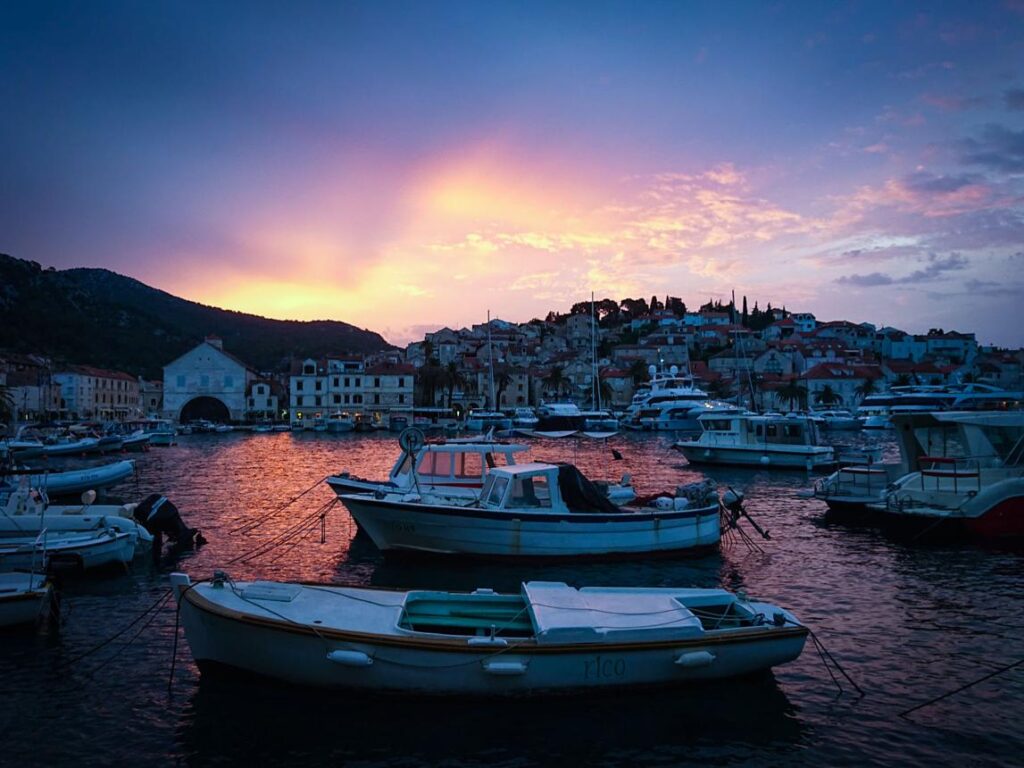
Walk the docks of Gloucester, Massachusetts at 4 AM. Or the working waterfront in Galveston. Or the commercial piers of Morro Bay, California before the recreational sailors arrive. What you find is not a wellness retreat. It is work — physical, purposeful, organized entirely around natural systems that wait for no one.
But the physiological profile of that morning is identical to what the $4.5 billion wellness industry is trying to sell you through apps, supplements, and sixteen-week programs. Circadian alignment. Blue space exposure. Physical movement before cognitive load. A singular purpose that eliminates decision fatigue before the day begins. The fishing communities of the American coast didn’t engineer this. They inherited it from the logic of the sea.What blue space actually does to the brain
The science here is more robust than most people realize. Research from the Blue Mind Project — a body of work developed by marine biologist Wallace J. Nichols and published in collaboration with institutions including Harvard Medical School — consistently demonstrates that proximity to water produces measurably different neurological states than land environments. Reduced cortisol. Restored directed attention. A state of effortless focus that Nichols calls “Blue Mind” — distinct from both rest and active concentration.
This is not poetic language. It is neurological measurement. The National Oceanic and Atmospheric Administration (NOAA) has funded research into the relationship between coastal environments and human health outcomes that supports what coastal communities have known experientially for generations: living near the water, and working with it in the early hours, produces people who are cognitively and physiologically different from those who don’t.
The fishing communities of America’s coasts didn’t engineer the optimal morning routine. They inherited it from the logic of the sea — and it predates every wellness app by about three thousand years.
Why a week on the water outperforms a week at a resort
This is the finding that surprises people most consistently: sailing holidays are measurably more restorative than equivalent-duration beach vacations or resort stays. The reason is structural rather than aesthetic. A boat imposes the conditions that wellness culture is trying to manufacture through discipline.
Early rising — because weather windows close and tides don’t negotiate. Physical engagement before digital engagement — because the boat requires attention before the phone does. A singular daily purpose — where are we going, what is the wind doing — that organizes the morning without requiring willpower. Sustained exposure to natural light, moving water, and open air throughout the day. Meals eaten at anchor with no background noise except the water.
People who have never sailed describe their first charter week as “the most rested I’ve felt in years.” They are not experiencing vacation. They are experiencing an environment that is structured, by necessity, around human cognitive and physiological rhythms in a way that almost no land environment replicates.
Platforms like Marina Smart are making this experience accessible at every level — from first-time guests booking a crewed day trip to experienced sailors finding their next offshore passage. The entry point is lower than most people assume. The return, in terms of what a week on the water actually does, is higher than almost any comparable use of vacation time.
The American coastal tradition that’s being reclaimed
There is a version of American coastal culture — working waterfronts, fishing communities, blue-collar maritime life — that has been largely displaced by resort development and recreational infrastructure. What remains of it, in places like the harbors of Maine, the fishing communities of the Pacific Northwest, and the working ports of the Gulf Coast, is a living record of what it looks like when human life is genuinely organized around the water rather than adjacent to it.
The growing interest in sailing, in charter experiences, in boats as a serious part of life rather than a luxury accessory, is partly a reclamation of this. According to Sailing Magazine, first-time sailing participation in the US has grown consistently since 2019, driven by demographics under 40 who are actively seeking experiences that disconnect them from ambient digital noise. They are finding what coastal communities have always known. The sea doesn’t care about your inbox. It requires your presence. And it rewards you for it.
Frequently Asked Questions
What is Blue Mind science?
Blue Mind is a field of research examining how proximity to water affects human neurology, emotion, and cognitive performance. Developed by marine biologist Wallace J. Nichols in collaboration with neuroscientists and psychologists, it demonstrates that water environments produce a measurably distinct neurological state associated with reduced stress, restored attention, and enhanced creativity.
Is there scientific evidence that living near the ocean is healthier?
Yes. Multiple peer-reviewed studies, including research supported by NOAA and published in journals including the International Journal of Environmental Research and Public Health, link coastal residence and blue space exposure to reduced cortisol levels, lower rates of depression and anxiety, and improved attention restoration compared to inland urban environments.
Why is a sailing vacation more restorative than a beach resort stay?
A sailing environment imposes natural structure — early rising, physical engagement, weather awareness, a singular daily purpose — that aligns with optimal human cognitive and physiological rhythms. Resort stays provide relaxation but not the active engagement with natural systems that produces genuine cognitive restoration. Sailors consistently report deeper rest in shorter time than equivalent resort vacations.
Do I need sailing experience to benefit from time on the water?
No. Crewed charter and skippered day trips provide the full environmental benefit — blue space exposure, natural rhythm, disconnection from digital noise — without requiring any sailing competency. The restorative effects are environmental rather than skill-dependent.