Albania Is What Croatia Was Twenty Years Ago — And the Sailing World Is Just Starting to Notice

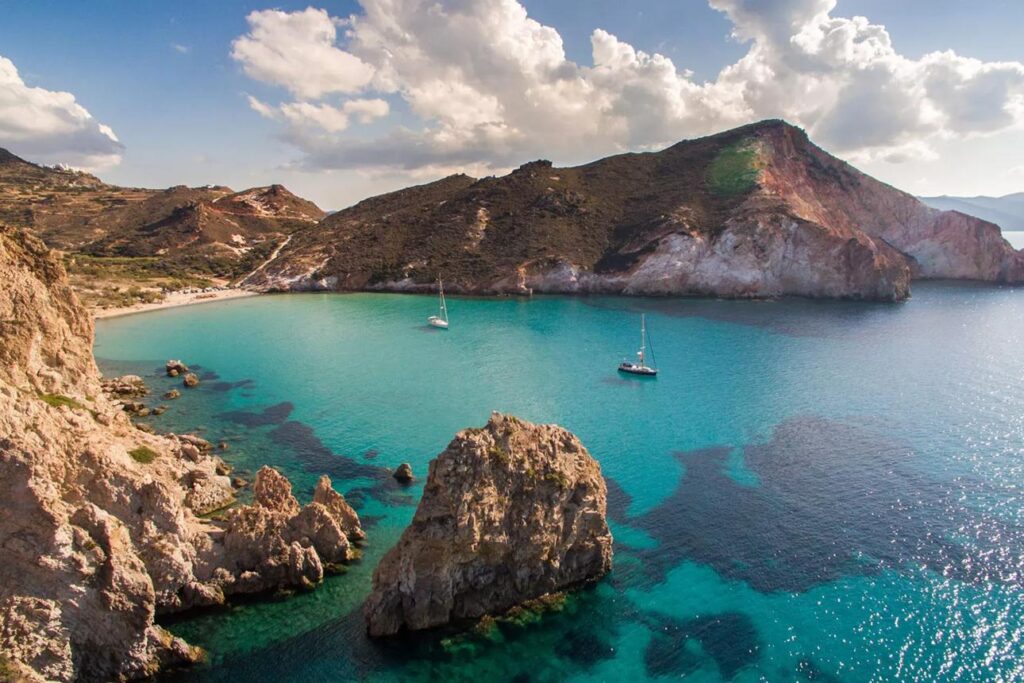
There is a moment in the life of every sailing destination when the people who were there first start to feel crowded out. Croatia had that moment somewhere around 2015. Greece is having it now in the Cyclades. The question serious sailors are always asking is: where is the next one?
The answer, increasingly, is Albania.
What Albania Actually Offers
The Albanian Riviera stretches roughly 120 kilometres along the Ionian Sea, from Sarandë in the south to Vlorë in the north. The coastline is dramatic — limestone cliffs, clear water, small villages that have not yet been retouched for tourism — and the marina infrastructure, while still limited, is developing faster than most outsiders realise.
The Albanian Ministry of Tourism has identified nautical tourism as a strategic development priority, with significant investment planned in marina infrastructure at Sarandë, Vlorë, and Shëngjin through the late 2020s. The country is not waiting to be discovered — it is actively preparing for the moment discovery arrives.
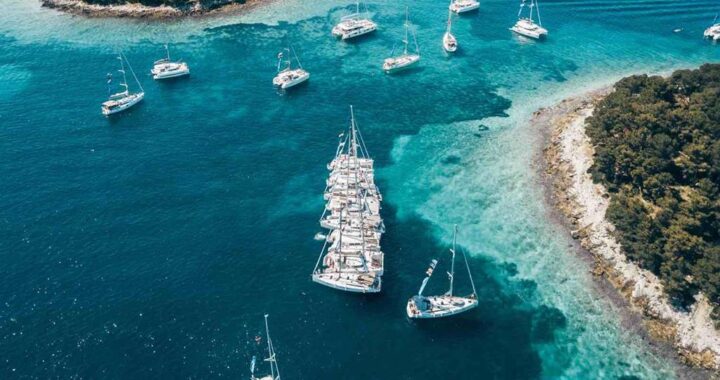
What currently exists: a handful of working marinas with basic facilities, anchorages that are genuinely uncrowded even in peak season, fishing villages where the restaurant has not yet learned to price for international tourists, and a coastline that experienced Adriatic sailors describe with the same vocabulary they used for Croatia in the early 2000s.
The Infrastructure Gap — And Why It Is Narrowing
The honest picture of Albanian nautical infrastructure in 2026 is that it lags significantly behind Croatia or Greece. Fuel availability is less reliable. Marina facilities are basic by Western European standards. Chart data is less comprehensive than in established destinations.
This is exactly what Croatia looked like to sailing visitors in 2003. The ACI marina network that now provides world-class facilities across Croatia’s coastline did not materialise overnight — it was built over two decades of consistent investment following tourism liberalisation.
Albania is at an earlier point on that curve, which means the window for experiencing it before infrastructure normalises the experience — before the prices adjust, before the marinas fill on Sunday changeover day, before the quiet anchorages appear on every charter itinerary — is finite and open right now.
The Practical Situation for Sailors
Entering Albanian waters requires advance notice to port authorities — procedures vary and should be verified through current official sources before departure. The Albanian Maritime Directorate publishes entry requirements for foreign vessels. Documentation requirements are standard for the region but must be complete.
Provisioning is available in larger coastal towns but should not be assumed at smaller stops. Fuel planning requires more care than in Croatia or Greece. Communication in English is variable outside major tourist areas.
None of this is prohibitive. It is the kind of preparation that serious sailors find rewarding rather than inconvenient — the same qualities that make the destination interesting also make the logistics slightly more demanding. As we wrote about the Adriatic in Why the Adriatic Is the Most Technically Demanding Charter Destination in Europe, the destinations that ask something of you tend to give more back.
Why This Matters Beyond the Destination
The pattern of nautical tourism development that Albania is now entering has played out identically across multiple Mediterranean destinations. As we examined in The Fishing Village That Became a Charter Hub, the transition from working coastal economy to charter destination brings both economic opportunity and cultural cost.
Albania has the advantage of observing how that transition unfolded elsewhere. Whether it learns from those examples — building digital infrastructure like Marina Smart that routes economic activity through local operators rather than extracting it outward — will determine what the Albanian coast looks like in 2035.
The sailors arriving now are not just finding an uncrowded anchorage. They are present at the beginning of a story whose ending is not yet written.
FAQ: Sailing and Chartering in Albania
Is Albania safe for sailing?
Albania is considered safe for recreational sailing. The country has been politically stable for over two decades and actively welcomes nautical tourism. Standard seamanship precautions apply, and sailors should verify current entry requirements and port protocols before departure through official Albanian maritime authority sources.
What are the entry requirements for foreign vessels in Albania?
Foreign vessels must notify Albanian port authorities upon entry into territorial waters. Required documentation typically includes vessel registration, insurance certificates, crew list, and passports for all aboard. Requirements should be verified through the Albanian Maritime Directorate before departure as procedures can change.
Are there marinas in Albania?
Albania has a small number of operational marinas, primarily at Sarandë, Vlorë, and Durrës, with additional facilities under development. Facilities are more basic than established Mediterranean destinations but are improving with government investment in nautical tourism infrastructure.
How does Albania compare to Croatia for sailing?
Albania offers a comparable quality of coastline and water clarity to Croatia with significantly fewer vessels, lower prices, and less developed infrastructure. The experience is closer to Croatia in the early 2000s — genuine discovery rather than established charter circuit. Sailors comfortable with less predictable logistics will find Albania rewarding.
What is the best time of year to sail in Albania?
May through September offers the most reliable sailing conditions. July and August bring consistent thermal winds along the Albanian Riviera. Shoulder season — May, June, and September — offers excellent conditions with even fewer vessels than peak season, which is itself far less crowded than equivalent Croatian or Greek destinations.
Can I charter a boat specifically for Albania?
Dedicated Albanian charter operations are limited but growing. The more common approach is to charter from a Croatian or Greek base and include Albanian waters in the itinerary, subject to the charter contract’s operational area provisions. Verify cross-border permissions with your charter operator before planning an Albanian stop.