Start a Water Taxi Business With Your Boat — Free Registration 2026

There is a gap in coastal tourism that is hiding in plain sight. Every marina has boats. Every coastal town has tourists trying to get from Point A to Point B on the water. The route between those two facts — the boat, the tourist, and the transfer — has historically been handled by whoever happened to be at the dock when someone needed a ride, at whatever price was negotiated on the spot, with no record of the transaction and no way for the next tourist to find the same service tomorrow.
This is the water taxi business. And in 2026, it is being rebuilt from scratch.
What a Water Taxi Business Actually Is
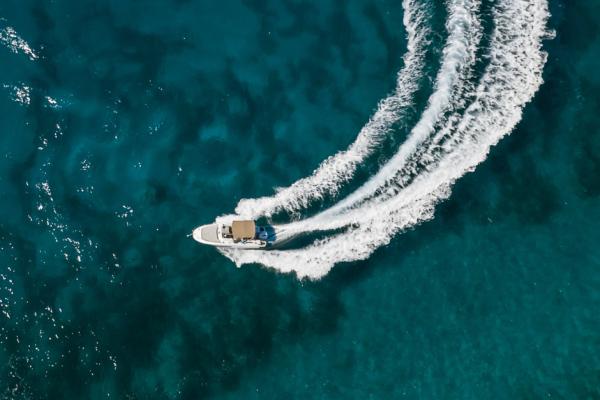
Strip away the branding and a water taxi operation is simple: you have a boat, someone needs to go somewhere by water, you take them there for a fee. The destinations vary. The vessel varies. The price varies. But the core transaction is the same whether you’re running a tourist across the Bay of Kotor in Montenegro, shuttling beachgoers from Saranda to the Blue Lagoon in Albania, ferrying guests between islands in Croatia, transferring hotel clients from a marina to a waterfront restaurant in Miami, or moving families from a Cornwall harbor to a beach with no road access.
What all of these have in common: the demand exists, the boats exist, and the infrastructure to connect them has been almost entirely absent.

Why Now
Three things are converging that make 2026 specifically the right moment to register a boat transfer service and start taking bookings.
The first is demand. According to UNWTO’s tourism recovery data, coastal tourism is back to and exceeding pre-pandemic levels across Europe and North America, with travelers specifically seeking water-based experiences and transfers that land transport doesn’t provide. The search volume for terms like “water taxi near me,” “boat transfer,” “sea taxi,” and “taxi boat” has grown consistently — our own Search Console data shows water taxi terms generating the highest impression volumes of any category on this publication.
The second is expectation. The traveler who arrives in Split or Saranda or Miami today expects to book a water taxi the same way they book a restaurant — from their phone, in advance, with a price shown upfront and a review system to evaluate the operator. The walk-up, negotiate-at-the-dock model still exists, but it’s losing ground to travelers who arrive with plans already made.
The third is infrastructure. Platforms built specifically for water activity booking — not hotel software adapted for boats, not general marketplace tools — are now available at zero cost to operators. The technical barrier to having a professional, bookable water taxi listing visible to international travelers is gone.
The Specific Business Models That Work
Point-to-point tourist transfers — the most straightforward model. Saranda to Ksamil. Dubrovnik to a nearby island. Falmouth to St. Mawes. Fixed route, fixed price, bookable in advance. A boat that runs four tourist transfers per day at €30-60 per person generates €120-240 daily from a single popular route. Two routes, six months of season: the math is significant.
Hotel and restaurant transfers — waterfront properties increasingly want to offer guests water transfers as part of their service. The hotel that can say “we’ll arrange a boat taxi from the marina” is differentiated from the one that can’t. Operators who approach local hotels, waterfront restaurants, and resort properties with a transfer service and a booking mechanism generate a B2B revenue stream on top of direct tourist bookings.
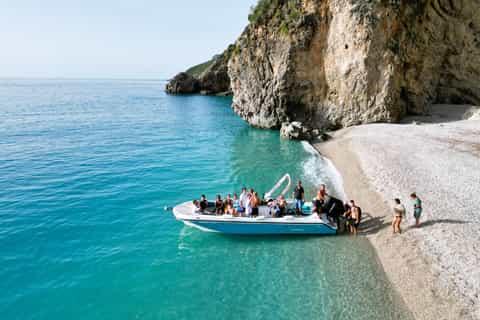
Island and beach access transfers — wherever a beach, island, or coastal attraction has no road access, a boat is the only way there. These routes command premium pricing because there’s no alternative. The operator who holds the relationship with a no-road-access beach effectively controls access to it.
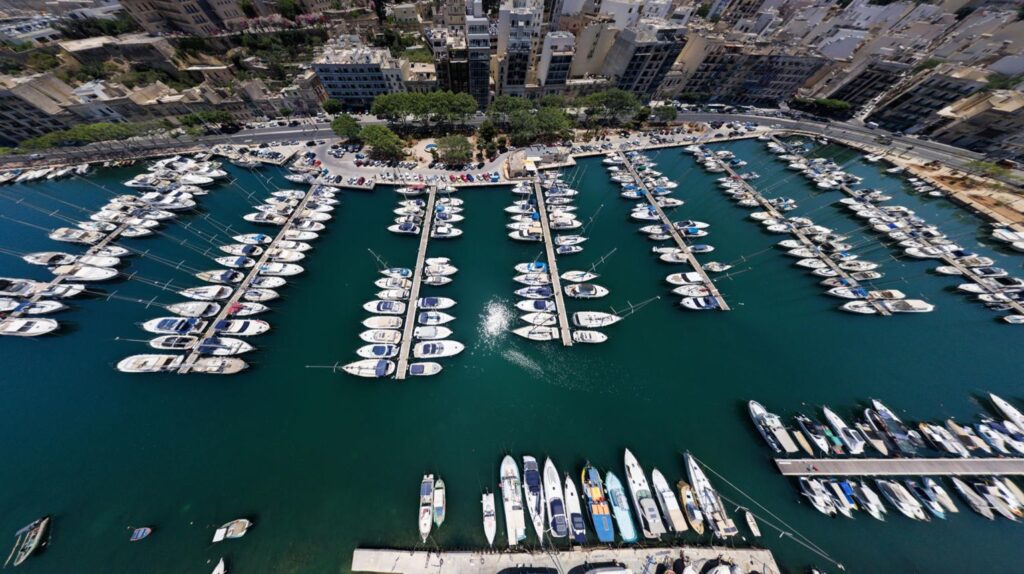
Marina-to-marina transfers — in coastal destinations with multiple marinas, a water taxi service connecting them serves both tourists and boat owners who need transport between facilities without moving their vessel.
Airport and port transfers by water — in cities where airports or cruise ports are accessible by water, a boat transfer service competes on time rather than price. The water transfer from Dubrovnik’s Gruž port to the old town waterfront is faster than the road. Where the geography supports it, this category commands the highest per-seat pricing of any water taxi model.

How to Register and Start Taking Bookings
This is where the friction has historically lived. Starting a water taxi business used to require: building or paying for a website, setting up payment processing, figuring out an availability calendar, managing booking requests through WhatsApp or email, and doing all of this without any guarantee that anyone would find you.
It no longer works this way.
Marina Boat App is free on the Apple App Store and includes water taxi and boat transfer as a primary listing category — not an afterthought, but a first-class service type alongside boat charters, fishing trips, and diving excursions.
Here is exactly how to register and start:
Step 1: Download Marina Boat App from the Apple App Store. It’s free.
Step 2: Create a host profile. Your name, your location, a description of your boat and your transfer service. This takes two minutes.
Step 3: Create a listing. Select “Water Taxi / Boat Transfer” as your service type. Add your route or routes — where you depart from, where you go. Set your pricing (per person, per trip, or per hour — you choose the model). Set your available days and hours.
Step 4: Add photos of your boat. Listings with photos receive significantly more booking requests than those without.
Step 5: Publish. Your listing is immediately searchable by travelers worldwide — from the US, UK, Germany, the Netherlands, Australia, the Gulf countries — who are actively searching for water taxis and boat transfers in your destination.
Zero commission on every booking. Zero listing fee. You keep every euro, pound, or dollar your passengers pay. The platform earns its keep by building the traveler side of the market — through content, through marketing, through international partnerships — while you focus on running the trips.
Why This Is the Future of Coastal Transport
The broader shift happening in coastal tourism is not subtle. Travelers are moving toward experiences that use the water rather than looking at it. The charter boat for a day, the fishing trip, the sunset cruise — but also the simpler, more functional experience of getting from one place to another by boat rather than by road.
Water taxis are the category that sits at the intersection of utility and experience. The tourist going from Saranda to the Blue Lagoon is not primarily looking for an experience — they’re looking for transport. But the transport is a boat on turquoise Ionian water with Albania’s mountains visible behind them. The utility and the experience are the same thing.
The infrastructure to monetize this has arrived. The operators who register now build the review histories and platform positioning that compound as the market grows. The water taxi business that starts in 2026, on a platform that charges nothing, in a market that is actively growing, is the same structural opportunity that existed for Airbnb hosts in 2010.
The boat is already there. The tourists are already searching. The gap between them is five minutes and a free registration.
FAQ: Starting a Water Taxi Business
What licence do I need to run a water taxi service?
Licensing requirements vary by country and by the number of passengers carried. In most European countries, carrying paying passengers commercially requires either a commercial vessel licence or a passenger transport authorisation. In the US, a USCG OUPV licence (Six-Pack) is required for up to six paying passengers. Check with your local maritime authority for specific requirements.
How much can I earn running a water taxi service?
A water taxi operator running four transfers per day at €30-60 per person through a six-month season generates substantial revenue from a single route. Multiple routes, group bookings, and hotel transfer contracts multiply this significantly. The income potential depends almost entirely on utilization — how many days the boat is actually working versus sitting idle.
Do I need a dedicated water taxi boat or can I use my existing vessel?
Most recreational and charter boats are suitable for water taxi operations with appropriate licensing. The key requirements are seaworthiness, sufficient passenger capacity for your typical group size, and appropriate commercial insurance coverage for carrying paying passengers.
How is Marina Boat App’s water taxi listing different from just advertising on social media?
Social media requires building an audience before anyone sees your posts. A Marina Boat App listing is findable by people who are actively searching for water taxis in your specific location right now — purchase-intent traffic rather than passive audience building. The difference is the moment of discovery: at the point of need rather than during general browsing.
Can I list multiple water taxi routes on Marina Boat App?
Yes. You can create multiple listings under one host profile — one for each route, or different listings for different service types (tourist transfers, hotel contracts, private group charters). Each listing has its own pricing, availability, and description.
Is Marina Boat App really free for water taxi operators?
Yes. Marina Boat App charges zero listing fee and zero commission on bookings during the founding partner phase. You set your pricing, receive bookings, and keep everything your passengers pay.