Your Boat Sits Empty 200 Days a Year. That’s a Business Waiting to Happen.

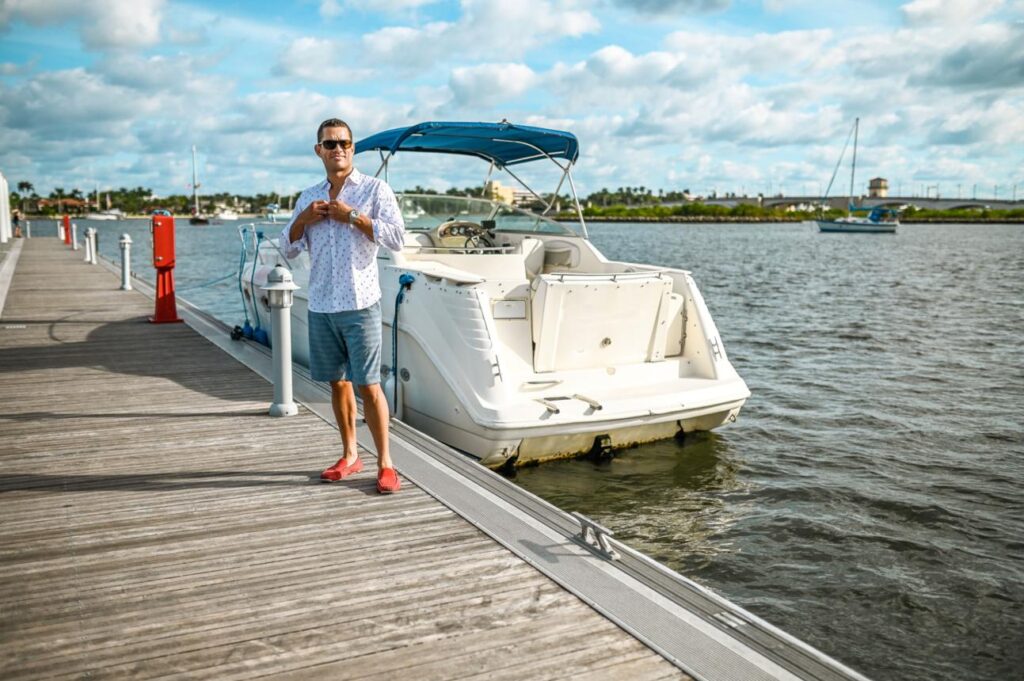
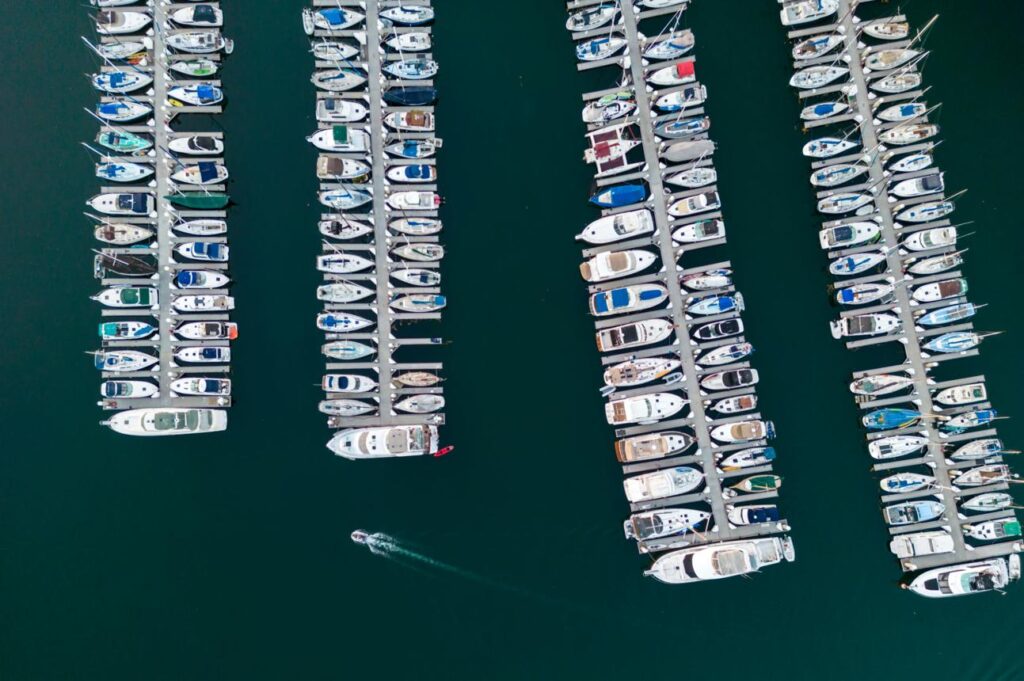
There is a number that the American boating industry does not advertise prominently. The average recreational boat in the United States gets used between 15 and 30 days per year.
That means your boat — the one sitting in its slip right now, costing you storage fees, insurance, and maintenance — is available and unused for somewhere between 335 and 350 days annually. Every single one of those days is a day it could be generating income instead of consuming it.
This is not a new observation. What is new is that in 2026, doing something about it has become genuinely simple.
The Old Excuse No Longer Holds
For years, the practical barriers to renting out a personal boat were real enough to justify inaction. Insurance policies excluded commercial use. Liability exposure was unclear. And even boat owners who solved those problems had no way to reach renters — no platform, no search presence, no infrastructure for building trust with strangers.
Those barriers haven’t disappeared, but they’ve been addressed in ways that didn’t exist five years ago. Peer-to-peer boat rental platforms have developed commercial-use insurance products specifically for owner-operators. Booking infrastructure now handles guest verification, payment processing, and review accumulation automatically. According to the National Marine Manufacturers Association, there are over 11 million registered recreational boats in the United States — and an increasingly well-developed ecosystem for turning those assets into income.
The Recreational Boating and Fishing Foundation has tracked consistent growth in peer-to-peer boat rental participation as platform availability has expanded. The market infrastructure is there. The question is whether individual boat owners know it.
What You Can Actually Earn — Real Numbers
The honest answer is: it depends heavily on boat type, location, and how actively you manage your listing. But the ranges are meaningful enough to change the economics of boat ownership for most owners who engage seriously.
A 22-foot center console in a Florida coastal market renting at $400-600 per day, used 40 days annually, generates $16,000-24,000 in gross revenue. A pontoon boat in the Great Lakes at $300-450 per day produces $12,000-18,000 at similar utilization. A 40-foot sailboat in the Pacific Northwest chartered at $800-1,200 per day with a skipper generates more — with correspondingly higher operating costs.
After platform fees, insurance, fuel arrangements, and additional maintenance from higher utilization, most well-managed listings net 50-70% of gross revenue. For a boat that was previously generating zero income on 200-plus idle days, that math changes the entire ownership calculation.
According to Boating Industry Magazine, peer-to-peer boat rental is among the fastest-growing segments of the US recreational marine market — driven specifically by a generational shift toward access-over-ownership, a trend we covered in Why Americans Are the World’s Most Reluctant Boat Renters. The demand side is building. The supply side — boat owners willing to list — is still catching up.
Five Ways to Monetize a Boat, From Simple to Serious
1. Bareboat rental
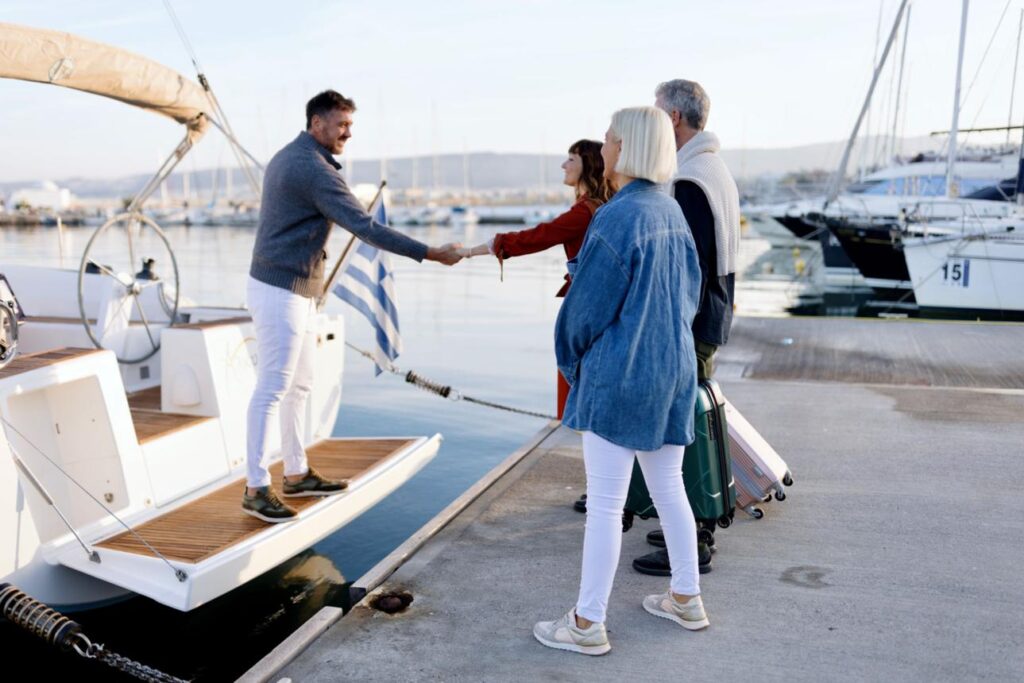
You list the boat for self-drive rental by qualified renters. Lowest revenue per booking, simplest operations. Good starting point for owners who want passive involvement.
2. Skippered day charter
You or a hired captain takes guests out for a full day — fishing, coastal sightseeing, island hopping. Higher revenue per booking, requires USCG licensing for carrying paying passengers. This is where most serious charter income is generated.
3. Boat tours and experiences
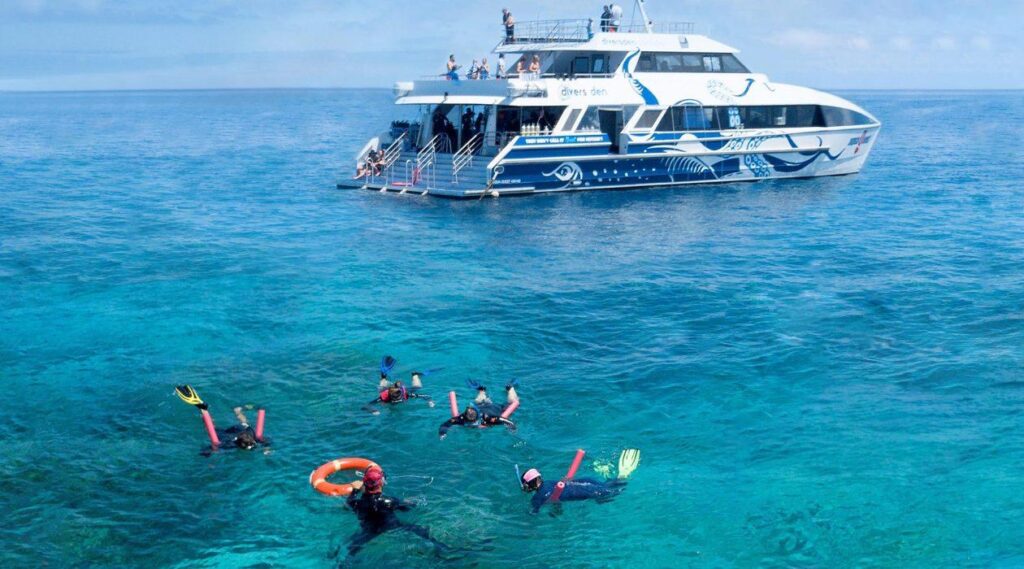
Structured experiences built around something specific: a sunset cruise, a snorkeling trip to a reef, a dolphin-watching excursion, a historical coastal tour. These generate strong reviews, repeat customers, and word-of-mouth in a way that generic rentals don’t.
4. Water taxi and transfer services
Fixed-route transfers between coastal points, marinas, or nearby islands. Lower per-booking revenue, higher frequency, predictable scheduling. Works well in markets with island access or disconnected coastal communities.
5. Multi-day charter
The boat is booked for multiple days with a skipper included. Highest per-engagement revenue of any category, requires the most logistical sophistication.
Each of these can be listed as separate service types on a single platform — meaning the same vessel can generate revenue from multiple categories simultaneously.
Every American Deserves a Shot at the Water Economy
Here is something the yachting industry has not historically been good at saying out loud: this world has been gated for too long.
Charter yacht culture in the United States developed around a relatively narrow group of people who already knew it existed — experienced sailors, affluent travelers, and those fortunate enough to have grown up around boats. Everyone else was effectively excluded, not by explicit barriers, but by infrastructure absence. No platform. No clear entry point. No obvious way in.
That is changing now — and it should. The water economy is one of the most compelling economic opportunities available to Americans who happen to own a boat, live near the coast, have a maritime skill, or simply want to build something in an industry that is genuinely growing. It does not require a business degree or a large capital investment. It requires a vessel, a willingness to list it, and the right platform to connect you with people who want exactly what you have.
This is the same opportunity that gave tens of thousands of ordinary Americans a meaningful income stream through Airbnb, and tens of thousands more through Uber. The water economy is arriving at that same moment now — where the infrastructure finally matches the opportunity, and the first wave of people who recognize it will have a meaningful advantage over everyone who waits.
Where Marina Boat App Fits Into This
Marina Boat App is free on the Apple App Store — and right now, it is onboarding boat owners and charter operators as founding partners with no listing fee and no commission during the launch period.
The host dashboard lets you list your vessel across multiple service categories simultaneously: the same boat can appear as a bareboat rental, a skippered day charter, and a water taxi depending on how you want to package and price each experience. Booking requests, guest messaging, and availability management all happen from one interface.
The platform is young. That is exactly the point. The boat owners who list first, build review histories, and establish themselves on the platform before broader marketing activates are in the same position early Airbnb hosts occupied in 2011 — generating real income while their peers were still waiting to see how it played out.
The founding partner window is open now. It will not be open indefinitely.
One Note on Licensing
Generating income from passenger transport in US waters creates specific obligations. The US Coast Guard OUPV license — commonly called the Six-Pack license — is required to carry up to six paying passengers for hire. Operating with more passengers requires a higher-grade Master’s license. Bareboat rental requirements vary by state.
This is real, important, and manageable. It is not a reason to avoid the market — it is a reason to enter it correctly. A maritime attorney familiar with your coastal state’s specific regulations is worth consulting before you take your first paid booking.
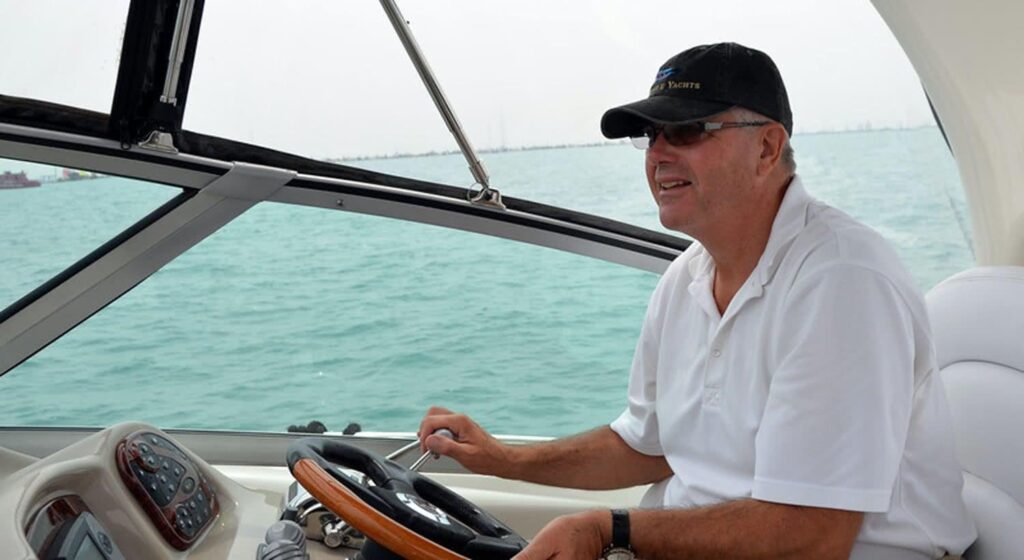
The Boat Is Already There
The hardest part of building a business is usually acquiring the primary asset. You already have it.
The water economy in the United States is at an inflection point — demand growing, infrastructure improving, and a generation of travelers who have already internalized the rental-over-ownership model and are actively looking for exactly what you have to offer.
The boat is sitting in its slip right now. The only question is whether it works for you or just costs you.
FAQ: Making Money With Your Boat in the USA
Can I legally rent out my boat in the United States?
Yes, with appropriate insurance and, depending on the operation type, US Coast Guard licensing. Standard recreational vessel insurance typically excludes commercial use — owners should obtain commercial-use coverage or confirm platform-provided insurance before accepting paid bookings.
How much money can I realistically make renting out my boat?
A well-managed day charter or rental listing in a high-demand US coastal market can generate $10,000-25,000 annually in gross revenue. Net returns after costs typically fall between 50-70% of gross revenue.
Do I need a captain’s license to rent out my boat?
For skippered charters carrying paying passengers, yes — a USCG OUPV (Six-Pack) license is required for up to six passengers. Bareboat rental requirements where the renter operates the vessel vary by state. Consult a maritime attorney for your specific situation.
What types of experiences can I offer from my boat?
Bareboat rentals, skippered day charters, fishing trips, sunset cruises, snorkeling tours, water taxi transfers, historical coastal tours, and multi-day charters are all monetizable categories from a single vessel depending on your location, licensing, and operational interest.
How do I get started listing my boat?
Download Marina Boat App free from the Apple App Store, create a host profile, and list your vessel across the service categories relevant to your boat and location. The platform currently offers a founding partner arrangement with no listing fee and no commission during the launch period.
How is peer-to-peer boat rental growing in the US?
Boating Industry Magazine tracks peer-to-peer boat rental as one of the fastest-growing segments of the US recreational marine market, driven by a generational shift toward access-over-ownership travel behavior and improving platform infrastructure for both listing and booking.
What is the difference between a bareboat rental and a skippered charter?
A bareboat rental means the renter operates the vessel themselves, typically requiring proof of boating qualification. A skippered charter means you or a hired captain operates the boat while guests enjoy the experience as passengers.