Why Americans Are the World’s Most Reluctant Boat Renters — And What’s Finally Changing

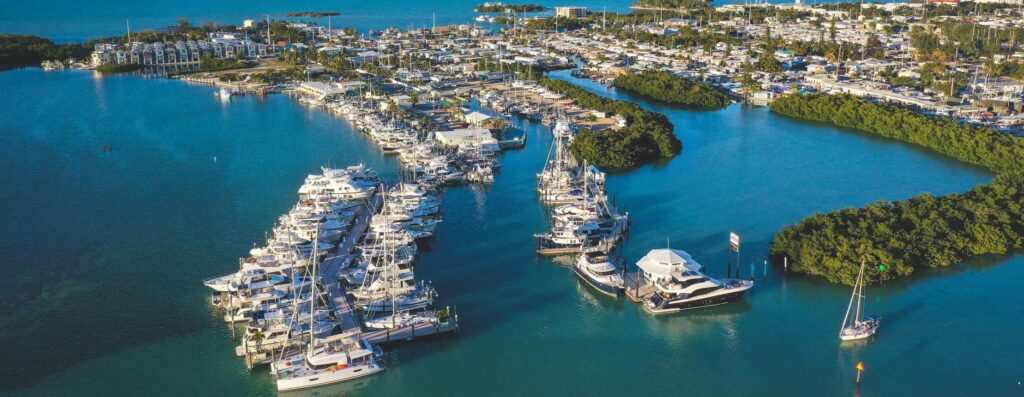
There is a peculiar contradiction at the center of American boating culture. The United States has more registered recreational boats than any other country on earth — over 11 million, according to the National Marine Manufacturers Association — and spends more on recreational boating annually than most countries spend on their entire tourism industries. Americans love boats. They just don’t rent them.
Ask the average American planning a vacation to the Florida Keys, the San Juan Islands, or the Chesapeake Bay whether they’ve considered renting a boat for a day, and the response is almost universally the same: it never occurred to them. They’ll book a hotel, a kayak tour, maybe a whale-watching group excursion. But a private boat rental — booking a boat the way you’d book a car or an Airbnb — remains outside the default mental map of most American vacationers.
This is not a demand problem. It is a cultural and structural one. And both of those things are changing at once.
The Ownership Culture That Shaped the Market
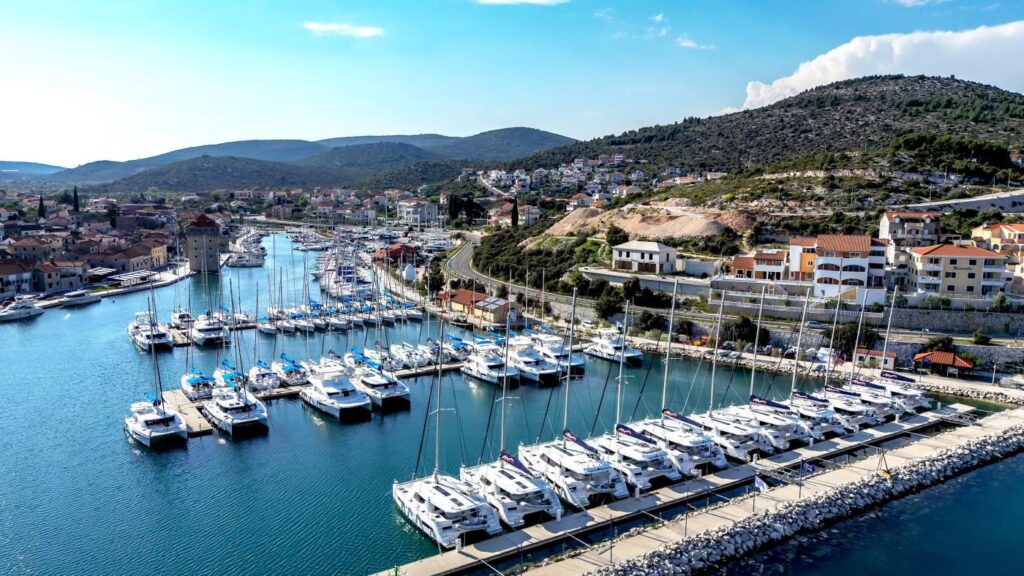
Understanding why Americans don’t rent boats requires understanding why they buy them. American boating has always been deeply ownership-oriented — a cultural expression of the same values that produced the suburban house, the personal automobile, and the idea that access to leisure should be owned rather than rented. A boat is a possession, a symbol of a certain kind of success and self-sufficiency, not a service.
This framing shaped the infrastructure that developed around boating in the United States. Marinas were built for storage and maintenance of owned vessels, not for fleet rental operations. The charter industry that developed in places like the US Virgin Islands, the Florida Keys, and the Pacific Northwest grew largely to serve experienced sailors who already understood the charter model from European travel — not to introduce boat access to first-time renters.
The result is a market that is enormous by ownership metrics and remarkably underdeveloped by rental metrics. According to the Recreational Boating and Fishing Foundation, participation in recreational boating has been relatively flat among non-boat-owners for years, even as the desire to spend time on the water has grown. People want the experience. They just don’t know how to access it without buying a vessel.
What European Charter Culture Reveals About the Gap
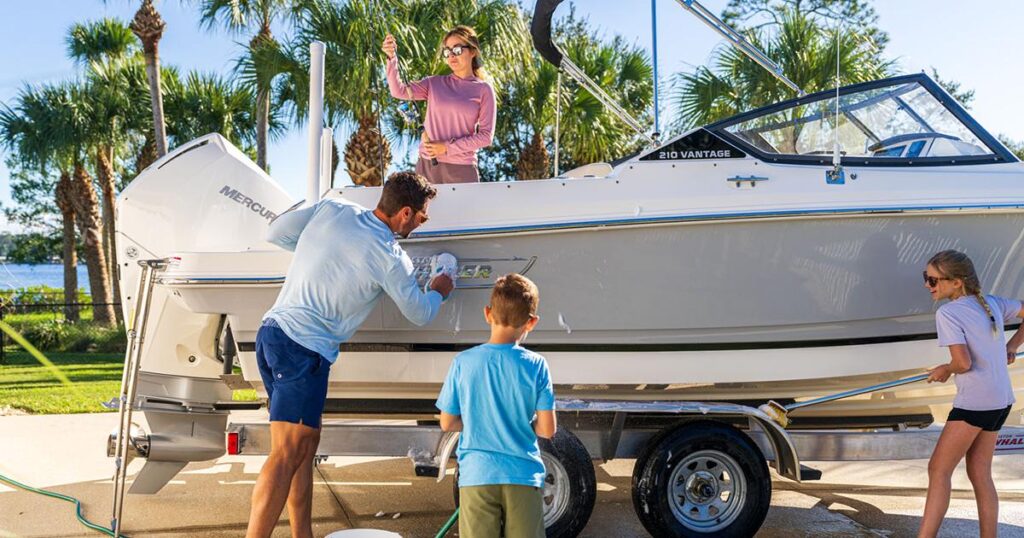
The contrast with European boating culture is instructive. In Croatia, Greece, and Italy — destinations where boat charter has been mainstream since the 1980s — the default assumption for a coastal vacation is that a boat day is a natural, accessible, plannable part of the itinerary. You book a charter the way you’d book a restaurant reservation: through a platform, in advance, with transparent pricing and a verified operator.
As we explored in How to Book a Boat Online in 2026, this infrastructure has arrived in the Mediterranean partly because the geography demanded it — island sailing destinations simply require boat access in a way that continuous coastlines don’t. But the deeper reason is cultural: European leisure culture made peace with renting access rather than owning assets long before the sharing economy made that language familiar.
American boating is now going through an accelerated version of the same cultural shift — compressed into a few years rather than a few decades, driven by a generation of travelers who have already internalized the Airbnb mental model and are applying it to water access.
The Structural Shift That’s Actually Happening
Two concrete changes are converging in the US market simultaneously.
The first is platform infrastructure. Boat rental and charter booking platforms have reached a level of usability, trust verification, and operator aggregation that makes the transaction genuinely simple for someone without prior boating experience. The friction that previously made boat rental feel complicated — finding an operator, verifying the boat, understanding pricing, knowing what questions to ask — is being systematically removed in the same way that Airbnb removed the friction from vacation rental booking.
The second is generational. Millennials and Gen Z travelers have grown up booking everything digitally, are more comfortable with access-over-ownership models, and are actively looking for experiences that justify taking vacation days in an era of remote work flexibility. A private boat day on the Florida coast, the Pacific Northwest islands, or the Great Lakes — booked from a phone the week before departure, confirmed with a verified captain — fits this profile exactly.
According to Boating Industry Magazine, the US recreational boating industry has been tracking a meaningful increase in first-time boat renters and charter participants over the past three years, with the highest growth among the 25-40 demographic — precisely the cohort that has reshaped accommodation, transportation, and food delivery through platform adoption.
The Destinations That Are Ahead of This Curve
Not every American coastal market is equally underdeveloped for boat rental. A few have built genuine charter cultures that look more like the European model than the typical US marina setup.
The Florida Keys have the densest concentration of day charter and fishing charter operators in the continental US, with an infrastructure built partly to serve international visitors who arrive with charter expectations already set from Caribbean or European experience.
The Pacific Northwest — specifically the San Juan Islands in Washington State — has built a charter sailing culture around the same island-hopping geography that made Croatia famous, and the Northwest Yachting community has been an established resource for charter bookings in the region for years.
The USVI and BVI remain the most mature charter markets in the American sphere, with a fleet and operator infrastructure comparable to the best Mediterranean destinations — though the BVI’s British administration creates a slightly different regulatory context than mainland US charter markets.
The rest of the American coastline — the Gulf Coast beyond Florida, the Mid-Atlantic, New England, the Great Lakes — remains significantly underdeveloped relative to the latent demand that exists everywhere there is water and a population that wants to be on it.
What This Means for Anyone Planning a US Coastal Trip
The practical implication of this cultural and structural shift is straightforward: boat rental and charter access in the United States is more available, more bookable, and more affordable than most American vacationers realize, and the gap between what exists and what people know to look for is closing faster than it ever has.
If you are planning a trip to any US coastal destination and haven’t considered adding a boat day — a half-day fishing charter out of a Gulf Coast marina, a private sailboat rental in the San Juan Islands, a sunset cruise off the Florida Keys — you are making the same error most American travelers have been making for decades. Not because the experience isn’t available, but because the infrastructure to make it obvious finally exists.
The boats are there. The captains are verified. The booking process is the same as reserving a hotel room.
FAQ: Boat Rental and Charter Vacations in the USA
Why don’t more Americans rent boats on vacation?
American boating culture has historically been ownership-oriented, with most boating infrastructure built for vessel storage rather than rental operations. Combined with limited awareness of how to book a boat rental, this has kept rental participation low despite high overall interest in water-based activities.
Where are the best places to rent a boat for a vacation in the USA?
The Florida Keys, the San Juan Islands in Washington State, the US Virgin Islands, and the coastal waters of New England offer the most developed boat rental and charter infrastructure in the United States. The Gulf Coast and Mid-Atlantic regions are developing rapidly.
How much does it cost to rent a boat in the USA for a day?
A half-day fishing charter typically runs $100-200 per person on a shared basis, or $400-800 for a private group charter. A private sailboat rental or motorboat day charter ranges from $300-1,200 depending on vessel size, location, and whether a captain is included.
Do I need a boating license to rent a boat in the US?
Requirements vary by state. Many states allow short-term rental of small motorboats without a license. The US Coast Guard provides federal safety requirements, while individual state regulations govern licensing. Crewed charter options eliminate the licence question entirely.
How do I book a boat rental in the USA?
Dedicated boat booking platforms aggregate verified operators and allow advance booking with transparent pricing — the same model that has transformed accommodation and transportation booking. Search by destination, boat type, and date to compare available options before confirming.
Is boat rental in the USA as developed as in Europe?
Not yet, though the gap is narrowing. European markets like Croatia and Greece have decades of charter infrastructure built around island sailing geography. US markets are developing rapidly, driven by platform adoption and a generational shift toward access-over-ownership travel models.