WINTER ISSUE · EUROPE · MARITIME BUSINESS
The country that taught the world to sail is sailing less. Its marinas, meanwhile, are being bought, merged and rebuilt. The two facts are not a contradiction. They are the same story, told from opposite ends of the pontoon.
In short: The Royal Yachting Association says UK sailing and boating participation is standing still or starting to fall, with time and money the main pressures. At the same time, the UK marina sector is consolidating, led by Premier Marinas’ 2025 purchase of boatfolk. The likely outcome is not fewer people on the water, but a shift from owning boats to accessing them: skippered day trips, hire, shared use and short experiences.
Is sailing in the UK really in decline?
The admission came from the top of the sport. Nick Scott, director of sport at the Royal Yachting Association, told Practical Boat Owner that while no single source counts everyone on the water, the RYA’s evidence across clubs, youth programmes, instructors, volunteers and events points the same way: participation is flat or falling. The association launched its largest open survey, Reflections on Water, to find out why.
The scale of what is at stake is considerable. The RYA counts more than 100,000 members, over 24,000 instructors, some 250,000 volunteers and more than 2,000 recognised training centres. Its OnBoard programme has introduced more than 1.3 million children to sailing and windsurfing in two decades. This is not a niche hobby losing a few enthusiasts. It is national infrastructure noticing a leak.
Britain has not stopped wanting the sea. It has stopped having the weekends that ownership demands.

Why are fewer Britons sailing?
The diagnosis from Sport England was unusually candid. Duncan Truswell, a strategic lead there and a sailor himself, observed that boating now competes with countless other interests for people’s shrinking time, money and attention. That sentence explains more than any statistic.
Traditional British boating was built on a particular bargain. You bought a boat, or joined a club that owned some. You spent winters maintaining and summers waiting for weather. You learned slowly, from people who had learned slowly. It produced extraordinary sailors and a culture of real seamanship. It also assumed a kind of life, with long weekends, stable incomes and nearby water, that fewer people now lead.
Three pressures on the old model
- Time: ownership is a standing commitment; modern leisure is booked in fragments.
- Cost: berths, insurance and maintenance arrive whether or not the boat leaves the dock.
- Entry: newcomers often do not know where to start, or which qualification they need.
Grassroots casualties make the point quietly. When Weir Wood Sailing Club in East Sussex closed its centre, it was reported as sad news for the sport. It was also a signal about which parts of the old model are hardest to sustain.
What is happening to UK marinas?
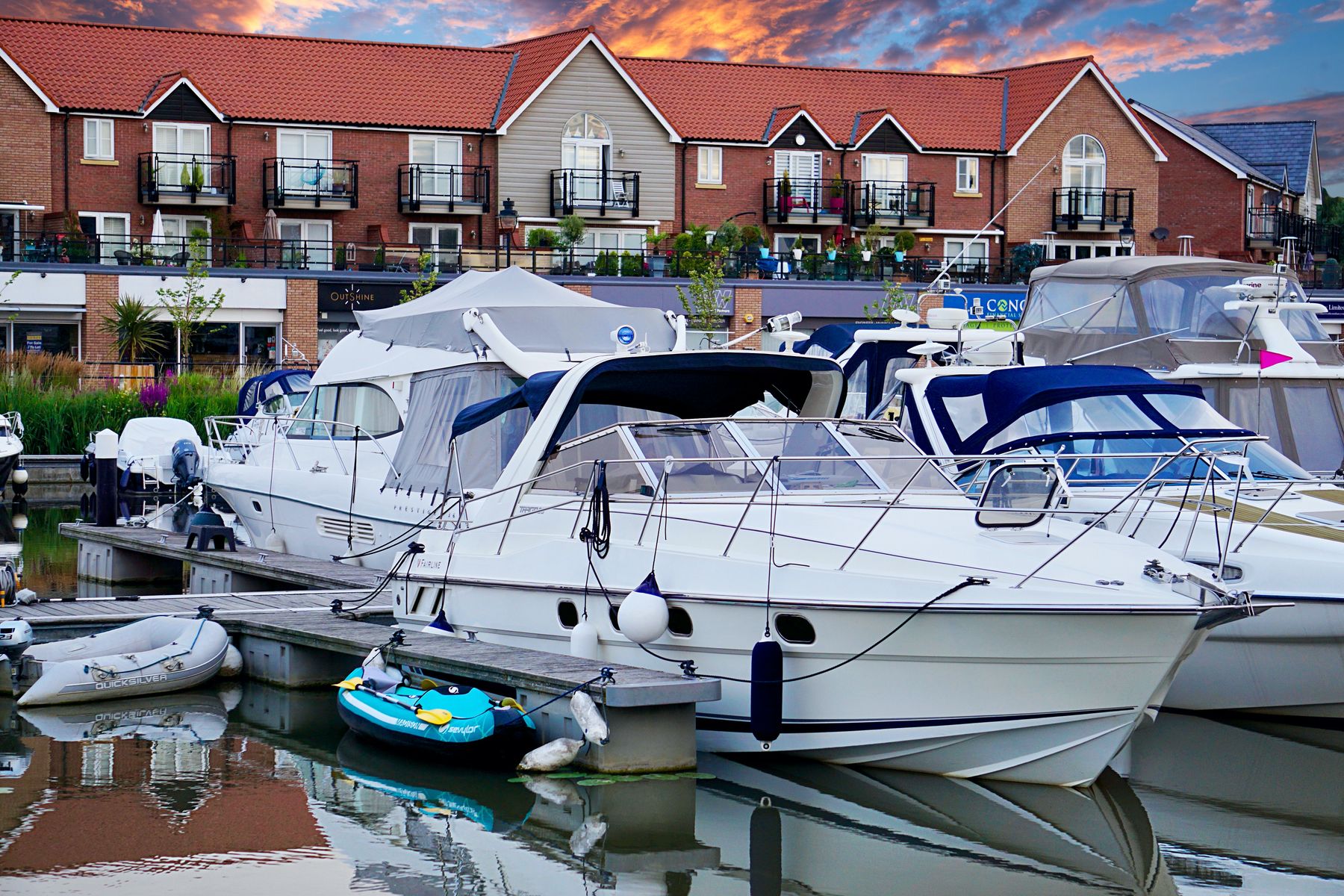
While participation stalls, the industry’s infrastructure is moving fast. In September 2025, Premier Marinas acquired boatfolk, bringing its portfolio from 11 to 22 UK sites, funded by its long-term owner, the Wellcome Trust. Motor Boat & Yachting reported the combined group at almost 10,000 berths, ahead of MDL’s 18 UK sites and around 7,000 berths.
The most revealing detail was not the size of the deal but a line about software. In an interview with Marine Industry News, the group explained that its own marinas run on one operating system and the boatfolk sites on another, and that the two do not integrate. Getting everyone onto a single platform is a priority.
That is a small sentence with a large meaning. Britain’s largest marina group, owned by one of the world’s wealthiest charitable foundations, still has to stitch its own systems together. If that is the state of digital infrastructure at the top of the market, the independent harbour, the hire operator and the skippered day boat are working with far less.
| Factor | Ownership model | Access model |
|---|---|---|
| Entry cost | Boat, berth, insurance, upkeep | A day or a weekend |
| Time commitment | Seasonal, ongoing | Booked in fragments |
| Skills | Built slowly through clubs | Skipper included, or a taster course |
| Who it suits | Committed sailors | Curious newcomers, families, visitors |
What does this mean for the future of British boating?
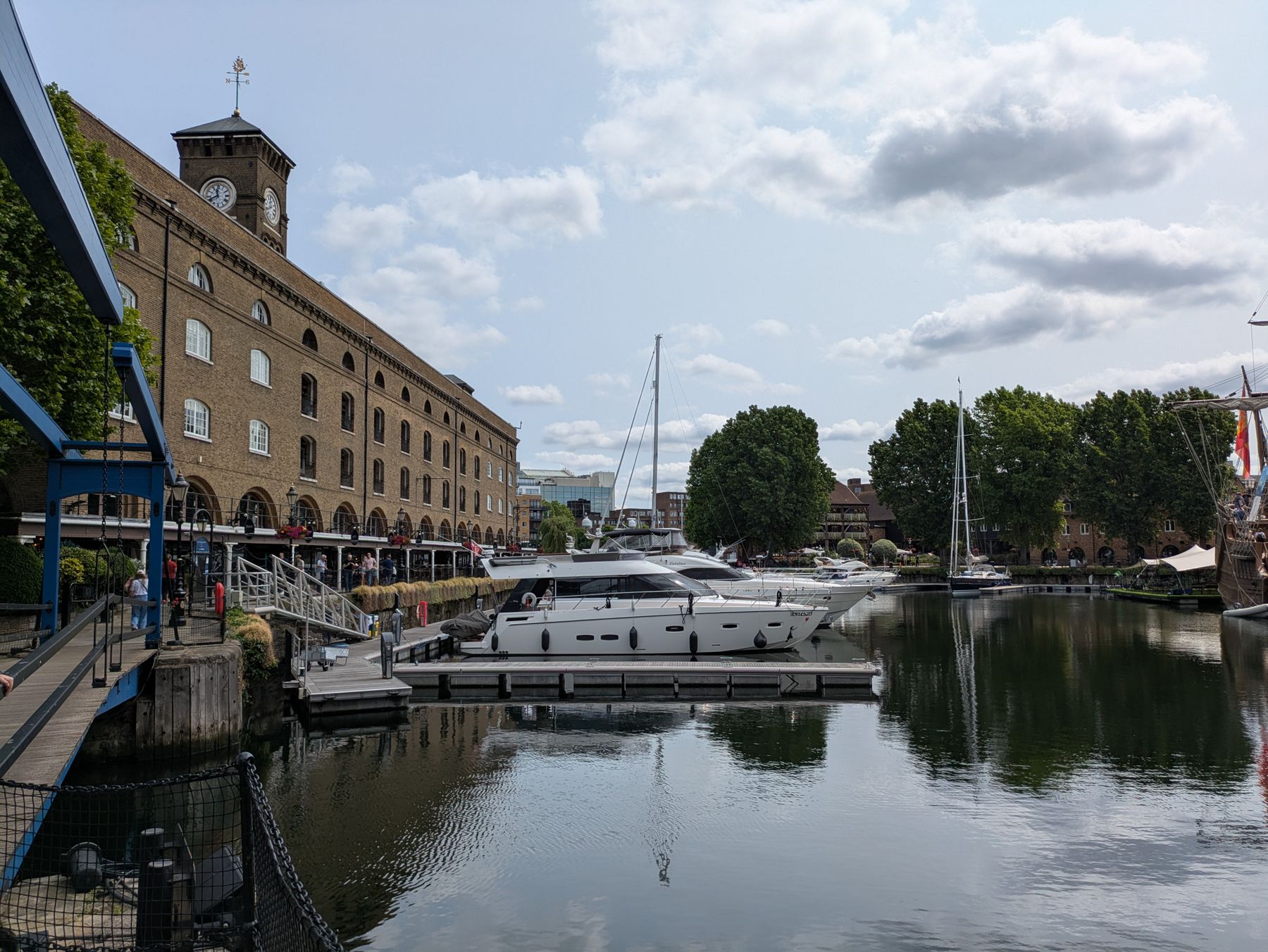
The intelligent reading is not decline but migration. People who will never own a boat may still spend a summer Saturday on the Devon and Cornwall coast, an evening on the Thames, a sunset in the Solent or a week cruising the west coast of Scotland with a skipper. The demand for the water does not disappear when ownership becomes impractical. It changes shape.
Even the practical boating press has noticed: Practical Boat Owner has published guidance on how to go sailing and boating if you don’t own a boat. The question for the industry is whether the access model gets built deliberately, with clear booking, transparent pricing and skippers who are easy to find, or whether it stays a patchwork of phone numbers and Facebook pages.
The tradition will survive its format
British sailing has outlived steam, the decline of the fishing fleets and the arrival of the cheap foreign holiday. It will outlive this too, provided it accepts a slightly humbling idea: that the next generation will meet the sea as guests before they become owners. The clubs gave Britain its sailors. Access may give it its next audience. The two are not rivals. One is the door to the other.
Frequently asked questions
Is sailing participation declining in the UK?
According to the Royal Yachting Association, yes. Its director of sport has said evidence from clubs, youth programmes, instructors, volunteers and events shows participation standing still or starting to fall. The RYA launched its Reflections on Water survey, its largest open study, to understand the reasons and shape its response.
Why are fewer people sailing in Britain?
The main pressures are time, money and competition from other leisure activities, a point made by Sport England. Traditional boating assumes long weekends and ongoing ownership costs such as berths, insurance and maintenance. Newcomers also report uncertainty about where to start and which training they need.
How can you go boating in the UK without owning a boat?
Book a skippered day trip, hire a self-drive boat on rivers and canals, join a club with shared boats, take an RYA taster session at a recognised training centre, or join a sail-training voyage. Apps such as Marina Boat App let you compare and book trips with local operators.
Who is the largest marina operator in the UK?
Premier Marinas became the UK’s largest marina group after acquiring boatfolk in September 2025, doubling its portfolio from 11 to 22 sites. Motor Boat & Yachting reported the combined group at almost 10,000 berths. MDL Marinas is the next largest, with 18 UK sites.
Do you need a licence to drive a boat in the UK?
For most private leisure boating on UK coastal waters, no licence is legally required, although inland waterways may require a boat licence from the navigation authority. Hire companies and charter operators usually ask for proof of competence, such as an RYA qualification, or provide a skipper. Always check the operator’s requirements before booking.
What is the best place for a day on the water in the UK?
Popular choices include the Solent and Isle of Wight, the River Dart in Devon, Falmouth and the Fal estuary in Cornwall, the Thames in London, the Norfolk Broads for calm inland water, and the west coast of Scotland for scenery. Skippered day trips are the easiest way to try each without experience.
Sources
- Practical Boat Owner — Sailing and boating participation in the UK are in decline
- Royal Yachting Association — Reflections on Water survey
- Premier Marinas — Premier Marinas acquires boatfolk
- Marine Industry News — How Premier Marinas is integrating boatfolk
- Motor Boat & Yachting — Marina groups merge (berth totals)
- Practical Boat Owner — How to go sailing and boating if you don’t own a boat