Dr. Cassandra Wei was not, by her own description, someone who believed in vacation as a recovery tool. She studied cognitive overload and burnout at a research university. She had read every paper on attention restoration theory, on the psychophysiology of stress, on the measurable impact of natural environments on human neurological function. She had written several of those papers herself.
She still worked 70-hour weeks and took four days off in 2023.
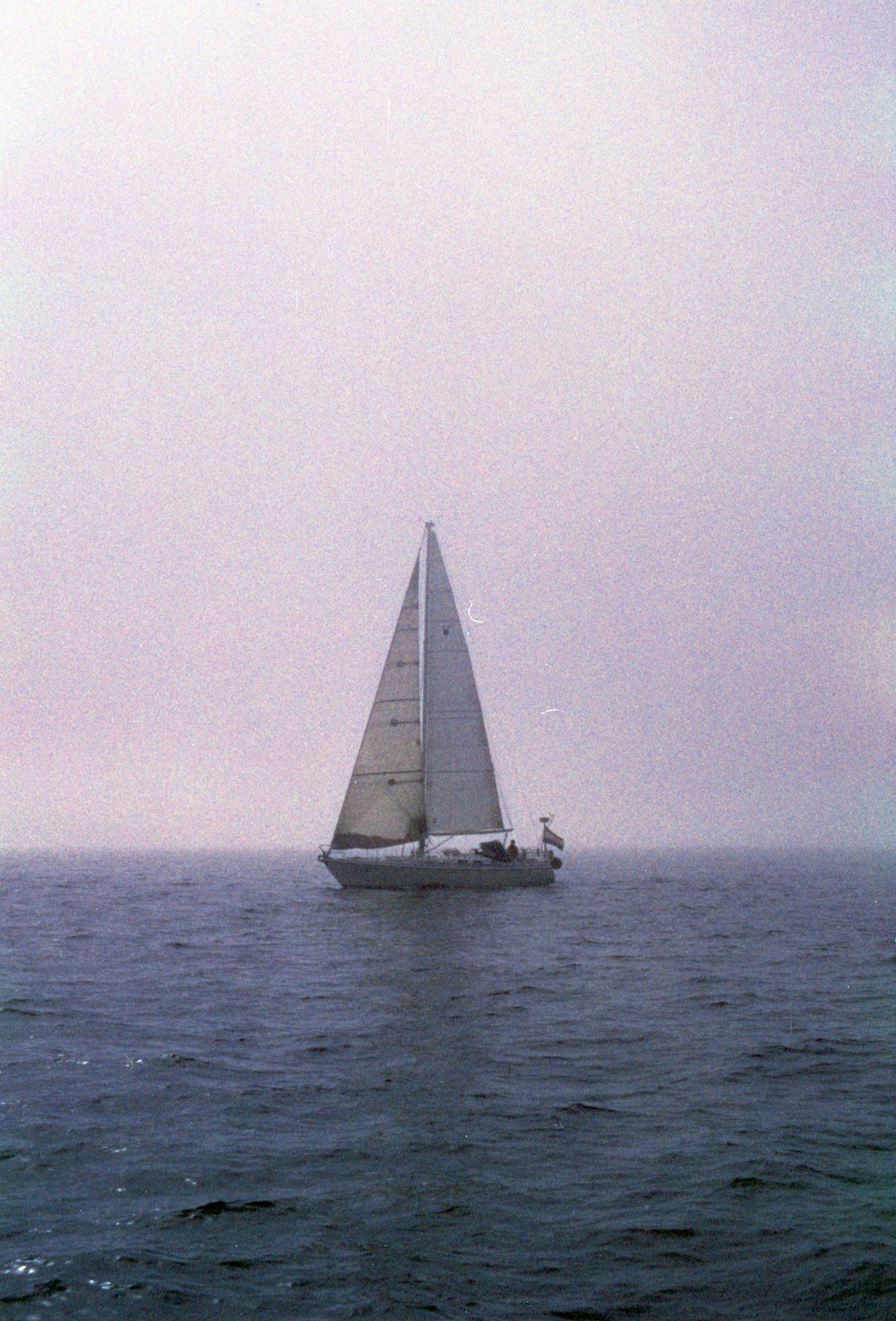
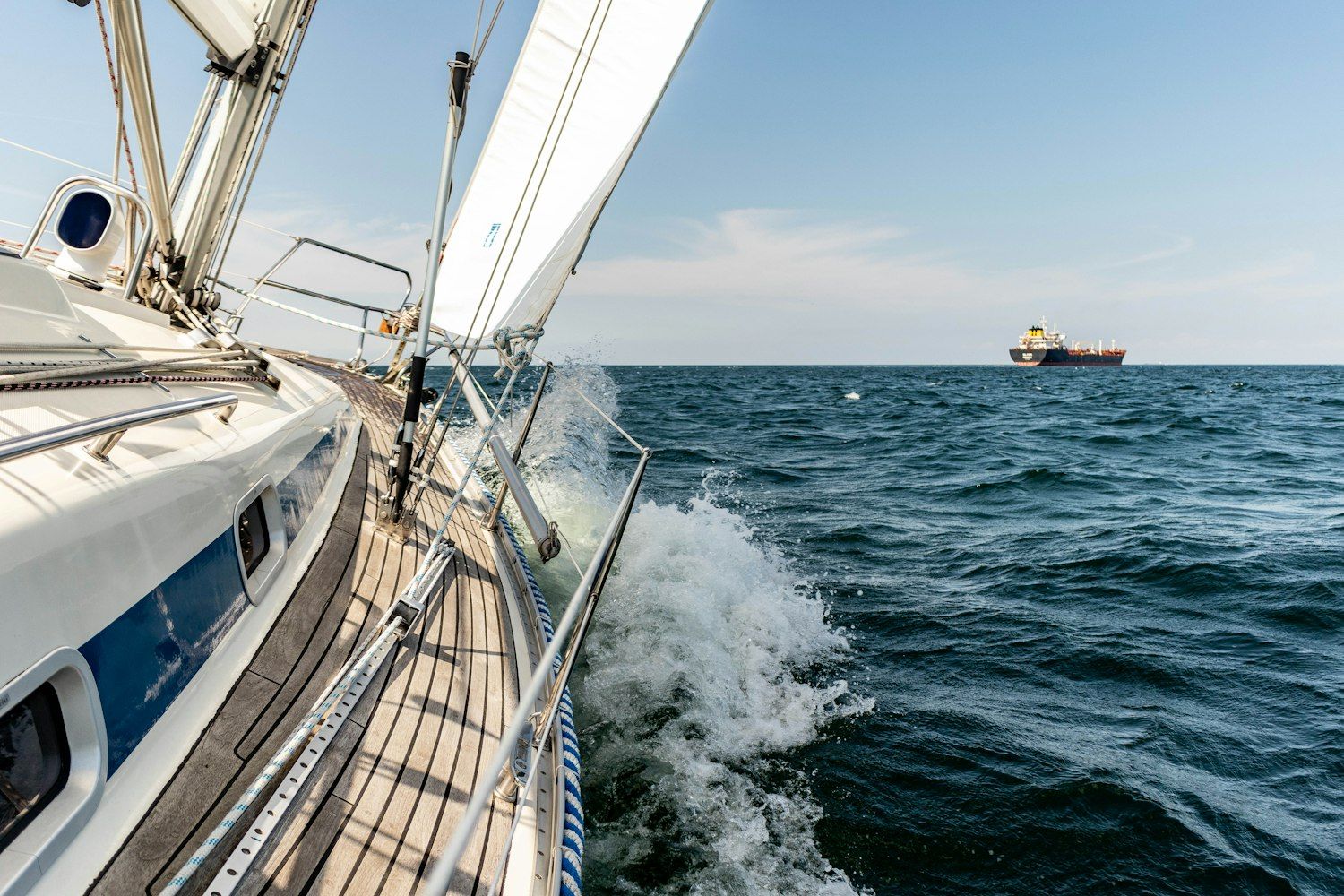
In the spring of 2024, a colleague bet her a dinner that she could not take one full week away from email, screens, and work — not at a resort where the infrastructure of distraction is simply replaced by the infrastructure of service, but somewhere genuinely removed. Her colleague suggested a sailboat charter off the coast of Maine.
Dr. Wei, who had never sailed, agreed to the bet primarily because she expected to win it.
The research on blue space — the term environmental psychologists use for water environments — is not ambiguous. Studies published in the journal Health & Place and documented extensively by the European Centre for Environment and Human Health at the University of Exeter have consistently found that proximity to water produces measurable reductions in psychological distress, cortisol levels, and self-reported anxiety. The effect holds even after controlling for physical activity, social engagement, and economic factors.
Dr. Wei expected to find this. She expected to feel better. She expected her cortisol to drop and her attention to restore, the way the literature predicted. What she did not expect was the specific mechanism — or how completely it blindsided her.
"The first day was genuinely uncomfortable," she said in a conversation about the experience that circulated in academic wellness circles. "I kept reaching for my phone. I kept wanting to check things. The discomfort was almost physical."
This is documented. The early phase of digital withdrawal produces measurable psychological discomfort — restlessness, difficulty concentrating, a specific anxiety that researchers associate with interrupted task completion. Most vacations don't fully interrupt it because the phone stays on and the email is only a tap away.
On a sailboat off the coast of Maine, there is no strong signal. The task completion urge has nothing to complete. And something specific happens when that urge finds no outlet: it dissipates. Not gradually, but in what Dr. Wei described as "an almost audible internal shift" somewhere around hour thirty.
"The technical term is attention restoration," she said. "The practical experience is just — quiet. Internal quiet that I hadn't experienced in years."
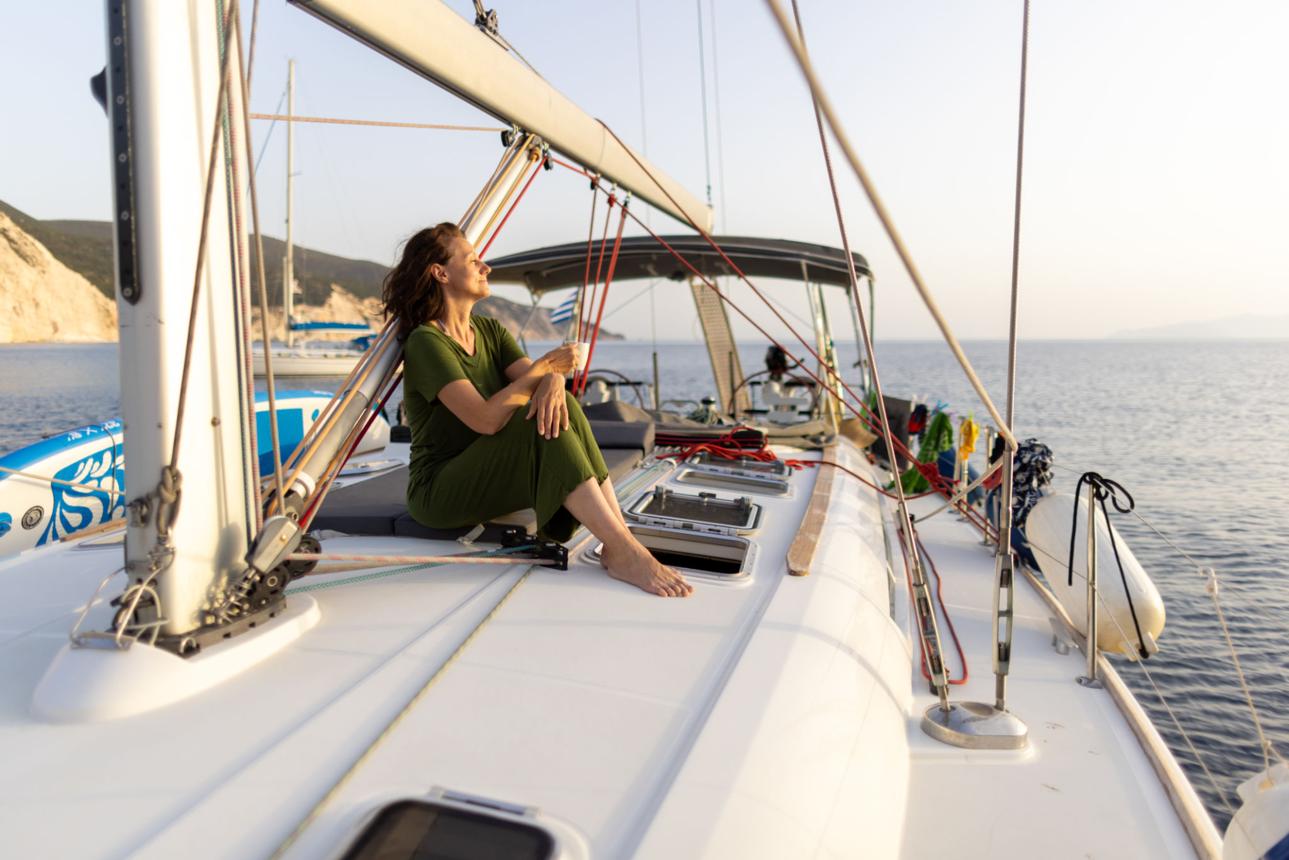
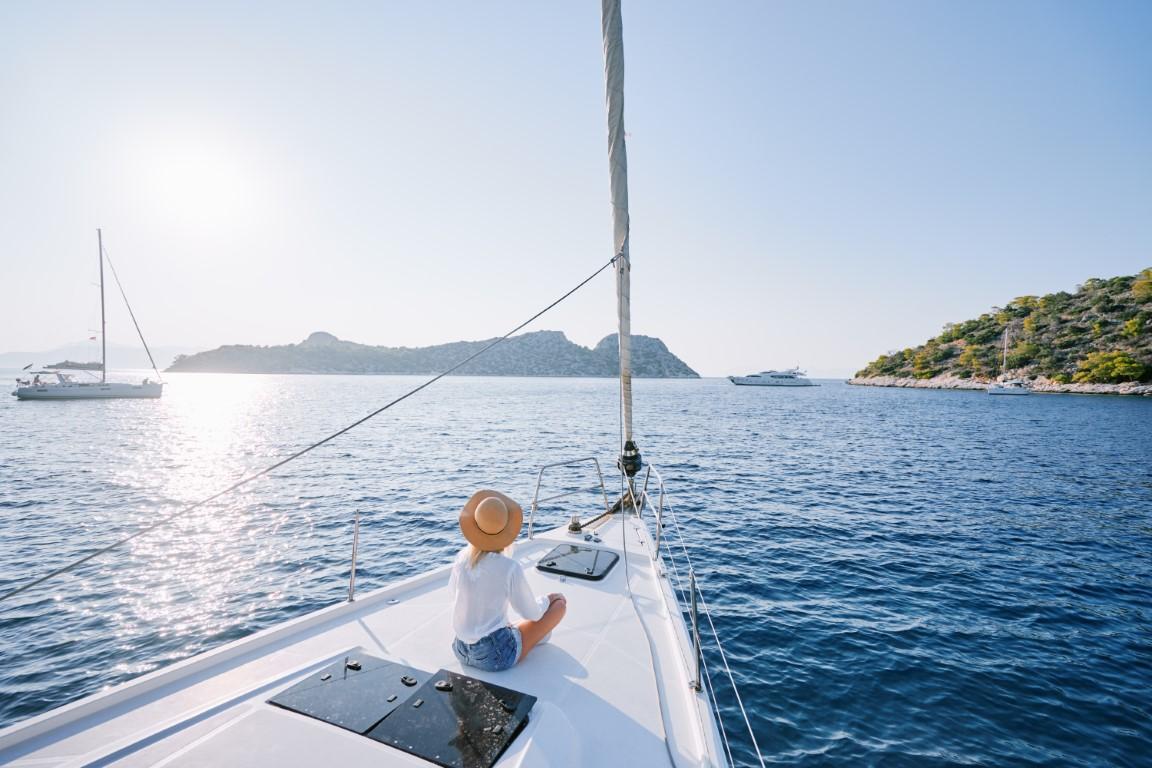
By day three, she was noticing things. The quality of light on the water at specific times of day. The sound the boat made in different wind conditions. The patience required to catch the right wind angle. She was, she said, genuinely present — not performing presence, not practicing mindfulness as a scheduled activity, but actually and involuntarily there in the way that the environment demanded.
By day six, she said, she understood something about burnout that her research hadn't fully captured: the restoration requires not just absence of stress but presence of something that requires your full attention without being threatening. The sea provides this in a way that almost nothing in modern professional life does.
Dr. Wei's experience is illustrative rather than representative. Not everyone will experience the same sequence or the same timeline. But the underlying mechanism she describes — the enforced attention shift that water environments produce, particularly in a sailing context — is consistent with what researchers have been documenting for years and what regular sailors describe colloquially as why they keep going back.
The research from the University of Exeter found that coastal residents report significantly better mental health outcomes than inland populations even after controlling for income, education, and social factors. A week-long sailing charter, several researchers have noted, is essentially compressing the most potent elements of that coastal environment into a concentrated dose.
What is changing in 2026 is access. A week-long sailboat charter in Maine, New England, the Chesapeake Bay, or the Pacific Northwest is more bookable, more findable, and more affordable — particularly for groups splitting the cost — than most people who need it most realize. A four-person group sharing a crewed week-long sailing charter in New England pays, per person, approximately what they would spend on a mid-range hotel for the same period.
Dr. Wei, incidentally, lost the bet. She stayed offline for the full week. She has rented a sailboat in Maine every summer since.
There is a number that nobody in the boat booking industry advertises clearly. It is the number that sits between what a traveler pays for your fishing trip, your surf lesson, your dive charter, or your sunset cruise — and what actually ends up in your bank account after the platform takes its cut.
On GetMyBoat, that cut is 8-12% from the operator plus a service fee charged to the guest on top. On Boatsetter, it reaches 25-35% depending on how the arrangement is structured. On Airbnb Experiences, which has moved aggressively into the water activity space, it's 20%.
On Marina Boat App, it is zero.
Not zero-for-now. Not zero-until-you're-dependent-on-us. Zero — because the money you earn on the water should stay in America, in your pocket, in your community. Not in a platform's revenue model.
The major boat booking platforms raised enormous amounts of money — GetMyBoat raised $32 million, Boatsetter raised $56 million — and they used it to build one thing exceptionally well: discoverability. They made it possible for travelers to find boat experiences online.
What they built less carefully was the relationship with the people actually delivering those experiences. A commission structure that takes 25-35% of every booking creates a specific dynamic: the operator either absorbs the cost and makes less, or raises prices to cover it and becomes less competitive, or both. The platform grows. The captain's margin shrinks.
This is not a conspiracy. It is the natural outcome of a business model that needs to return money to investors. But it is worth naming clearly, because the people it affects — the fishing guides, surf instructors, dive operators, boat captains, and water professionals who built their knowledge and reputation through years of actual work — deserve to understand the deal they're accepting when they list on these platforms.
According to the National Marine Manufacturers Association, the US recreational boating and water activity industry generates over $50 billion in annual economic activity. That value was created on the water, by people on the water. The platforms that intermediated it are capturing a disproportionate share of what was created by someone else.
Marina Boat App is free on the Apple App Store — and we built it specifically for every American who makes their living or wants to make their living on the water.
Fishing charter captains who know their local waters better than any GPS and have spent years building a reputation that deserves better reach than a sign at the marina and a Facebook page updated twice a year. As we covered in The Florida Keys Fishing Charter Guide and The Texas Gulf Coast Has 367 Miles of Saltwater, the best fishing guides in America are frequently the least visible online — not because they're not excellent, but because nobody built them the right infrastructure.
Surf instructors who have spent years learning to read a break, teaching people to stand up on a wave for the first time, and building something genuinely valuable from the water up. List your lessons, set your schedule, set your rate, and own the relationship with your students directly — without giving a fifth of every session to a platform that never paddled out.
Dive instructors and underwater guides who hold PADI or NAUI certifications and provide experiences that require real skill, real training, and real responsibility. A certified dive instructor running an open-water certification course is delivering something with genuine expertise requirements. That expertise should not be commoditized by a platform commission structure.
Boat crew and licensed skippers for hire who want to advertise their qualifications, their availability, and their rates directly to boat owners and operators looking to hire — without a placement fee, without an intermediary, without someone taking a percentage of an employment relationship they had nothing to do with building.
Kayak guides, paddleboard instructors, whale watching operators, water taxi services, sunset cruise operators — every category of water professional in the United States that existing booking platforms treat as interchangeable inventory rather than as skilled people with specific knowledge worth protecting.
And boat owners who have a vessel sitting in its slip generating zero revenue for 200-plus days a year, as we detailed in Your Boat Sits Empty 200 Days a Year — a business opportunity that should not require handing 30% of every booking to a platform to access.
We're going to be straight with you about how we plan to build a sustainable business, because "free forever" from a startup is a promise that deserves an explanation.
Here is the honest version: Marina Boat App is completely free for every American water operator during our founding partner phase — and our plan to generate revenue, when we get there, is built around bringing international travelers to your door, not taking a cut of what happens after.
We are registered at the Qatar Financial Centre and actively building partnerships with Gulf region tourism markets. We are building content and marketing specifically toward European travelers looking for US coastal experiences. When our business model matures, it will be funded by the international demand we generate — not by extracting commission from the American operators who built the supply.
The money American water professionals earn should stay in America. It should stay in the coastal communities — in the Florida Keys, on the Texas Gulf Coast, in the San Juan Islands, along the New England shore — where it was earned. Our job is to bring the world to your dock. What you charge them is yours.
Here is the actual comparison between Marina Boat App and the platforms that currently dominate the US boat booking market:
This is not a temporary promotional offer designed to switch off once you're dependent on the platform. This is the model — because we believe a water economy that works for the people doing the actual work produces better outcomes for everyone.
We are a young platform. We launched recently. If you open Marina Boat App right now and search your coastal town, you may not find a lot of listings yet. We're not going to pretend otherwise.
What we're asking is simple: get in early.
The operators who list on Marina Boat App now — who build their profiles, accumulate their first reviews, and establish their presence on the platform before mainstream adoption arrives — are in the same structural position that early Airbnb hosts occupied in 2009. The ones who listed when the platform was small built the review histories and search positioning that compounded as the platform grew. By the time it was obvious Airbnb was going to work, the early adopters had an insurmountable head start.
We are not Airbnb. We are not promising you that outcome. What we are promising is this: the operators who join Marina Boat App now will never pay a commission on their bookings, will have the strongest positioning as the platform grows, and will be part of building something that is specifically designed to keep their earnings where they belong.
According to the Recreational Boating and Fishing Foundation, tens of millions of Americans participate in recreational boating and water sports annually. The demand for water experiences in the United States is not a question. The infrastructure to connect that demand to the best local operators — without extracting 30% for the privilege — is what has been missing.
We're building it. We need you to build it with us.
Step 1: Download Marina Boat App free from the Apple App Store.
Step 2: Create your host profile — your name, your location, your experience, your qualifications.
Step 3: List what you offer — fishing charter, surf lesson, dive tour, kayak guide, sunset cruise, crew availability, boat rental — with your pricing and your availability calendar.
Step 4: Wait. As we build the traveler demand — through content, through international marketing, through Gulf region partnerships — the bookings will come to operators who are already listed.
Step 5: Keep everything you earn.
That's it. No contract. No credit card. No commission. No fine print.
The American water economy was built by people who showed up and got in the water. This platform is built the same way.
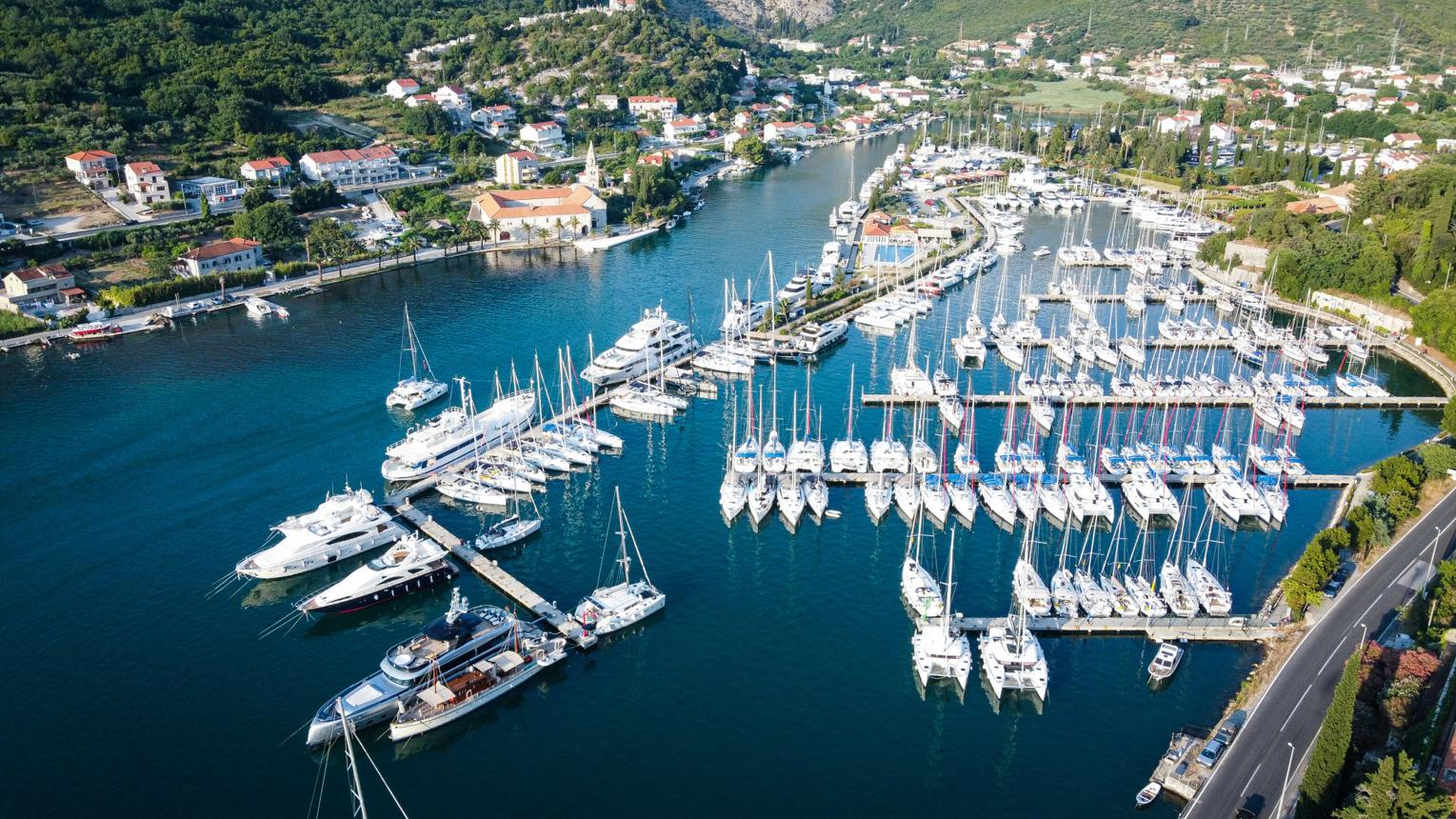
The Mediterranean charter market generates billions of euros in annual economic activity across Croatia, Greece, Italy, Spain, France, Turkey, and Montenegro. It has been doing so for decades — a mature, established industry with recognized trade associations, published safety standards, and a well-documented seasonal rhythm.
It also, in significant parts, still runs on phone calls, personal relationships, and the assumption that the traveler will either already know an operator or be willing to stand on a dock and negotiate.
This is not a criticism of the people in the industry. It is an observation about the infrastructure — or the lack of it — and about why that infrastructure is finally, visibly changing.
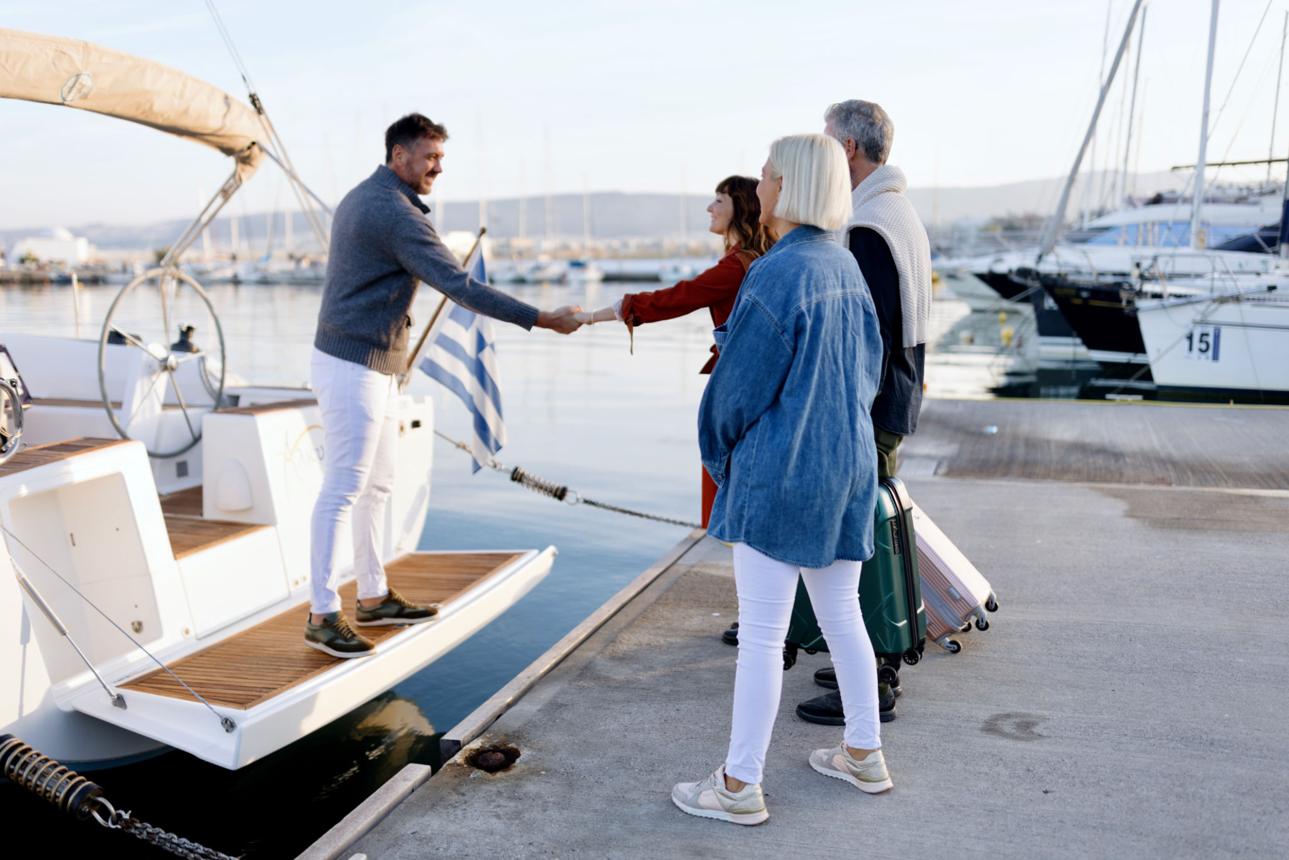
The charter industry has a discoverability problem that it has largely chosen not to acknowledge. A traveler arriving in Split, Dubrovnik, Athens, or Nice who wants to rent a boat, hire a skipper, or book a day charter faces a surprisingly fragmented landscape: a handful of aggregator platforms that cover the larger, more established operators, and a long tail of smaller, often excellent operators who have no meaningful online presence.
This is the same structural problem we identified in the US market in Why Americans Are the World's Most Reluctant Boat Renters — the demand exists, the supply exists, and the infrastructure to connect them efficiently doesn't. In the Mediterranean, the problem is compounded by a market that has run on relationship-based sales for long enough that many operators have never needed to think about digital discovery.
According to the European Boating Industry Association, digital booking adoption in the Mediterranean charter sector lags significantly behind comparable accommodation and transportation categories — a gap that represents both a frustration for travelers and a revenue ceiling for operators who rely on their existing network to stay booked.
Two things are converging that make this moment different from previous years.
The first is generational. The travelers booking Mediterranean charters now are increasingly the same demographic that normalized Airbnb, Uber, and digital-first accommodation booking — people who find the phone-call-and-negotiate model not just inconvenient but actively suspicious. Opacity in pricing is no longer a neutral fact of the market. It's a competitive disadvantage for operators who rely on it.
The second is infrastructure. Platform-quality booking tools for the charter market — with verified operators, transparent pricing, review systems, and direct communication — are arriving now in a form that is actually usable for small and medium operators, not just for the large established charter companies that could afford custom technology.
As we covered in The Berth Is the Cheapest Thing the Marina Sells, the marina and charter sector has been generating enormous economic activity while capturing a fraction of its potential revenue — because the digital layer that would allow operators to reach new customers, offer ancillary services, and build review-based trust has simply not been available at accessible cost.
For operators in Croatia, Greece, the south of France, and the Adriatic more broadly, the window for first-mover advantage in digital booking is open right now — and it won't be open indefinitely.
The operators who establish digital presence first — verified profiles, accumulated reviews, direct booking capability — will be better positioned when the mainstream traveler fully normalizes advance online booking for charter experiences the way they've already normalized it for accommodation.
This is the same dynamic that created Airbnb's most successful early hosts: people who listed in 2011 when the platform was small, built review histories while other property owners waited to see how it played out, and found themselves at the top of search results when mainstream adoption arrived.
Marina Boat App is a young platform. We're not going to pretend we have the traffic numbers of established players. We launched weeks ago. We're building.
What we are doing is onboarding Mediterranean charter operators — in Croatia, Montenegro, Greece, Italy, France, Spain — for free during our founding partner phase. No listing fee. No commission. The goal is straightforward: build a supply inventory of verified operators with real pricing and real reviews before we activate the marketing that brings the traveler demand.
For a Mediterranean charter operator who has spent years building a reputation in their local market but has limited digital presence outside it, a free listing on a platform explicitly targeting both European and Gulf region travelers — we're registered at the Qatar Financial Centre, and the Gulf travel market is a primary focus — represents a straightforward opportunity with zero downside.
The charter industry runs on trust. We're starting by earning it.
You've taken long weekends before. Beach hotels, mountain cabins, city breaks. You know the feeling of returning from vacation still tired, somehow needing a vacation from the vacation.
A weekend on a boat is genuinely different. Here's why — and it's not just the ocean air.
The moment a boat leaves the dock, something specific happens to your nervous system. The visual horizon expands. The sounds that define urban stress — traffic, notifications, air conditioning units — are replaced by wind, water, and the occasional sound of a sail filling. The body's stress response, which evolved to handle short bursts of threat rather than sustained digital overload, starts to recalibrate.
Researchers at the University of Exeter's European Centre for Environment and Human Health have documented this through large-scale studies showing that "blue space" — water environments — produces measurable reductions in cortisol and anxiety. A boat amplifies this effect by removing the on-ramp to distraction: no strong WiFi signal, no easy access to the office Slack, no ability to quickly duck out and check email between activities.
The boat forces the rest that a hotel room merely suggests.
Hours 0-6: Your body is still in commute mode. You're checking your phone. You're thinking about the thing you forgot to do before you left.
Hours 6-12: The horizon has been the same distance away for long enough that your brain stops scanning for threats. Sleep comes differently than it does in a bedroom.
Hours 12-24: You start noticing things. The color the water turns at a certain angle of light. What the wind smells like offshore versus near shore. You are, for possibly the first time in weeks, actually present.
Hours 24-48: This is the window that most people describe as the "reset." The thing that was urgent on Friday is somehow less urgent by Sunday.
Two days on a boat delivers what most weekend trips promise and don't deliver: actual disconnection.
Most people who haven't chartered a boat assume it's expensive, complicated, or requires sailing knowledge. The reality in 2026 is different on all three counts.
A half-day private boat rental for a group of four in Florida costs $100-150 per person. A full-day charter split across six people frequently costs less than a single night at a mid-range hotel. And the captain — included in most crewed charter options — handles every element of operation, leaving you to simply exist on the water.
The complexity problem has been largely solved by booking platforms. Marina Boat App — free on the Apple App Store — lets you search available boats near any US coastal destination, compare pricing, read real operator reviews, and book in advance from your phone. The same ease you'd use to book a hotel room, applied to a charter boat.
Unlike older platforms that take up to 35% from operators and mark up prices to travelers, Marina Boat App charges zero commission. The prices you see are what the operator actually charges.
You don't need sailing experience. You don't need to know what a cleat is. A crewed charter with a licensed captain means you show up, get on the boat, and let someone who has spent their career learning the water take you somewhere worth going.
The weekend reset you've been looking for doesn't require a better hotel. It requires a different kind of horizon.