MARINA NO. 14 · MARITIME JOURNALISM · HOW TO CHARTER
A European can drive a rental car from Lisbon to Helsinki on one licence. Sailing a charter yacht across the same borders has never worked that way. On November 4 the European Commission said it will try to change that. Here is what it actually proposed, and what a charter guest needs today.
In short: To bareboat charter in most of Europe you need proof of competence, usually a national licence or an International Certificate of Competence (ICC). The EU’s new tourism strategy says the Commission will propose a Council Decision to apply UNECE Resolution No. 40, the ICC’s legal basis, to harmonise recognition. It is a proposal, not a rule yet. A skippered charter needs no licence at all.
The EU Sustainable Tourism Strategy, COM(2026) 777, runs to twenty pages and covers everything from rail tickets to heatwaves. The paragraph that matters to sailors is short. It says that an obstacle visitors face when travelling by leisure boat in the EU is that recreational boating licences are not recognised across countries, and that the Commission will seek to harmonise the system with a proposal for a Council Decision to apply UNECE Resolution No. 40 on an International Certificate for Operators of Pleasure Craft.
The European Boating Industry, which represents the trade, called the strategy a significant achievement, Afloat reported, while noting it does not yet create automatic recognition.
Do you need a licence to charter a boat in Europe?
To skipper it yourself, almost always. Bareboat charter companies across the Mediterranean ask for a recognised certificate of competence, and many add a radio licence (VHF/SRC) for someone on board. Greece and Croatia are known for checking documents before departure. Requirements vary by country, by boat size and by the company, which has the final word on whether it accepts your licence.
If you book a skippered or crewed charter, the professional skipper holds the licence and you need none. For first-time guests this is the simpler choice, as our beginner’s guide explains.
What is the ICC?
The International Certificate for Operators of Pleasure Craft, widely called the International Certificate of Competence, was created by Resolution No. 40 of the UN Economic Commission for Europe’s inland transport working party in 1998. A country that implements the resolution can issue the certificate to its own nationals and residents who hold its national licence or pass an equivalent test. It works as a translation of competence from one government to another, not as a new qualification.
The weakness is coverage. Not every European state has adopted Resolution 40, and some that have attach conditions. In practice charter companies accept the ICC far more widely than the formal list suggests, but “widely accepted” is not a right.
What did the EU actually propose on November 4?
Three things relevant to boating, each stated as an intention rather than a finished law:
Licence recognition. A future proposal for a Council Decision on applying Resolution No. 40 across the EU. The strategy cites a 2025 Commission study on the advantages and drawbacks of mutual recognition of boating licences. No date is given for the proposal.
Marinas. The strategy says EU port and marina infrastructure should be upgraded, modernised and made more sustainable, and lists marinas among the tourism infrastructure Member States are invited to fund. It brings no new money of its own.
VAT. Before the end of 2026 the Commission will propose modernised VAT rules for travel and tourism. That matters to charter, which in some countries is taxed differently from accommodation on land, the issue Italy’s charter industry raised with us.
The strategy names the problem precisely. It does not yet fix it.
Can Americans and other non-Europeans get an ICC?
Generally not from their home country, because the United States has not implemented Resolution 40. Under the resolution, an implementing country may issue an ICC to nationals of countries that have not implemented it, if they hold that country’s national certificate. Some training bodies offer routes this way, and charter companies often accept recognised sailing qualifications plus a sailing résumé. If the EU adopts the resolution as a bloc, the rules for these routes may change, so check before booking a course.
What should a charter guest do today?
Nothing changes for the 2027 season. Ask the charter company in writing which certificates it accepts for your boat and route, confirm whether a second crew member needs experience or a radio licence, and keep scans of every document. If you hold a national licence from a Resolution 40 country, apply for the ICC endorsement before you go. If you hold none, book a skipper. The new strategy is worth watching because it could make the paperwork simpler in a few years. It is not yet a reason to skip it.
Frequently asked questions
Do I need a boat licence to rent a yacht in Croatia or Greece?
To skipper it yourself, yes: charter companies and port authorities expect a recognised certificate of competence, often with a VHF radio licence. With a professional skipper on a skippered charter, you need no licence.
What is the International Certificate of Competence (ICC)?
A certificate created under UNECE Resolution No. 40 that lets a government vouch for a pleasure-boat operator’s competence to authorities in other countries. It is issued by implementing countries to their nationals and residents who hold a national licence or pass an equivalent test.
Has the EU made boating licences valid everywhere?
No. In its November 4, 2026 tourism strategy the European Commission said it will propose a Council Decision to apply UNECE Resolution No. 40 across the EU. That proposal has not yet been published or adopted.
Is the ICC accepted in every European country?
Not formally. Only countries that have adopted Resolution 40 are bound to accept it, although charter companies accept it widely in practice. Always confirm with the charter company before booking.
How we reported this
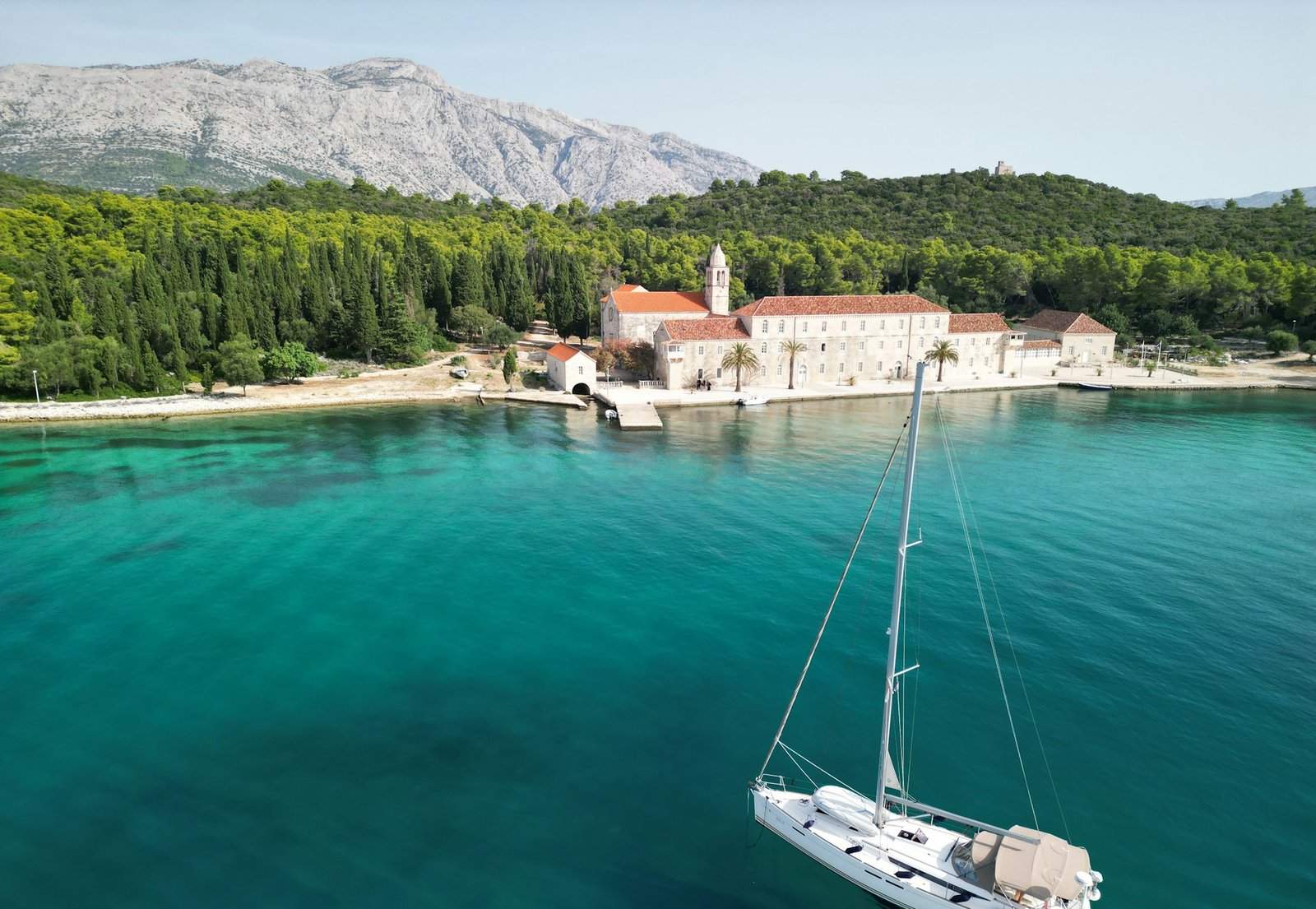
The policy content comes from the Commission’s communication COM(2026) 777 as transmitted to the Council on November 5, 2026, which we read in full. The ICC’s legal basis comes from UNECE Resolution No. 40 and its published guidelines; the industry reaction from Afloat. Country requirements change and charter companies set their own rules; this article is general guidance. Corrections: support@marinasmart.app. Cover photo: A sailing yacht at anchor near Korčula, Croatia. Photo: Rebecca Stremitzer / Unsplash.


